UK and Ireland—with reference to the fact that Horatio Nelson was blinded in one eye—(1922) ‘until/when Nelson gets his eye back’ is used of a very long time in the future—(1933) the metaphor of Nelson getting his eye back is used of a very small chance of success
UK, 1980—denotes someone or something that is unwelcome, unpopular, etc.—first recorded in a remark by the Scottish comedian Billy Connolly, but perhaps originated in Royal-Navy slang
UK, 1877—humorous: a holiday or period of leisure spent drinking alcoholic liquor—blend of the nouns ‘alcohol’ and ‘holiday’—has, in the course of time, been coined on separate occasions by various persons, independently from one another
1762—(especially of an ancient style of writing): having alternate lines written from left to right and from right to left—from the Greek adverb ‘βουστροφηδόν’, meaning literally ‘as an ox turns (in ploughing)’, with allusion to the course of the plough in successive furrows
UK, 1890—used to indicate that the person or persons guilty of a misdemeanour will not be named, in order to spare them recrimination—‘pack drill’: a military punishment involving a lengthy period of marching up and down carrying full equipment
UK and Ireland—used of someone who makes a mistake because of poor eyesight—refers to the British optical retail chain Specsavers Optical Group Ltd, in particular to its advertising slogan, ‘should’ve gone to Specsavers’
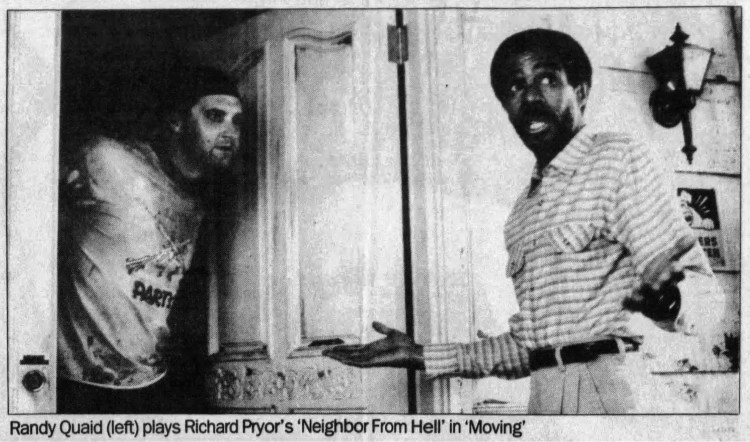
UK, 1993—USA, 1987—the words ‘—— from hell’ are suffixed to nouns often referring to everyday life, such as ‘holidays’ and ‘neighbour(s)’, to make phrases denoting an exceptionally unpleasant or bad example or instance of ‘——’
British and Irish English, 1833—denotes qualified pleasure—also: ‘to give [someone] a poke in the eye (with a — stick)’, meaning to deprecate [someone]—from ‘a poke in the eye’, denoting something undesirable