UK, 1883—a gesture of derision made by putting one’s thumb to one’s nose and outspreading the fingers like a fan; can be intensified by joining the tip of the little finger to the thumb of the other hand, whose fingers are also outspread fanwise—the motivation for the choice of ‘Queen Anne’ is unknown
denotes effrontery—‘front’ denotes self-assurance, but the word that follows ‘than’ puns on ‘front’ in the sense of the façade of a building, a long seafront, etc.—also denotes a well-endowed woman, with reference to ‘front’ in the sense of a woman’s bust
‘four-leaved clover’: a rare form of clover leaf having four leaflets, regarded as a lucky charm or sign of good fortune—superstition mentioned as early as 1620—sometimes associated with ‘even ash’, a rare form of ash leaf having an even number of leaflets
Irish English, 1834—extremely cold, literally (i.e., with reference to low temperatures) and figuratively (i.e., with reference to lack of feeling, of emotion)
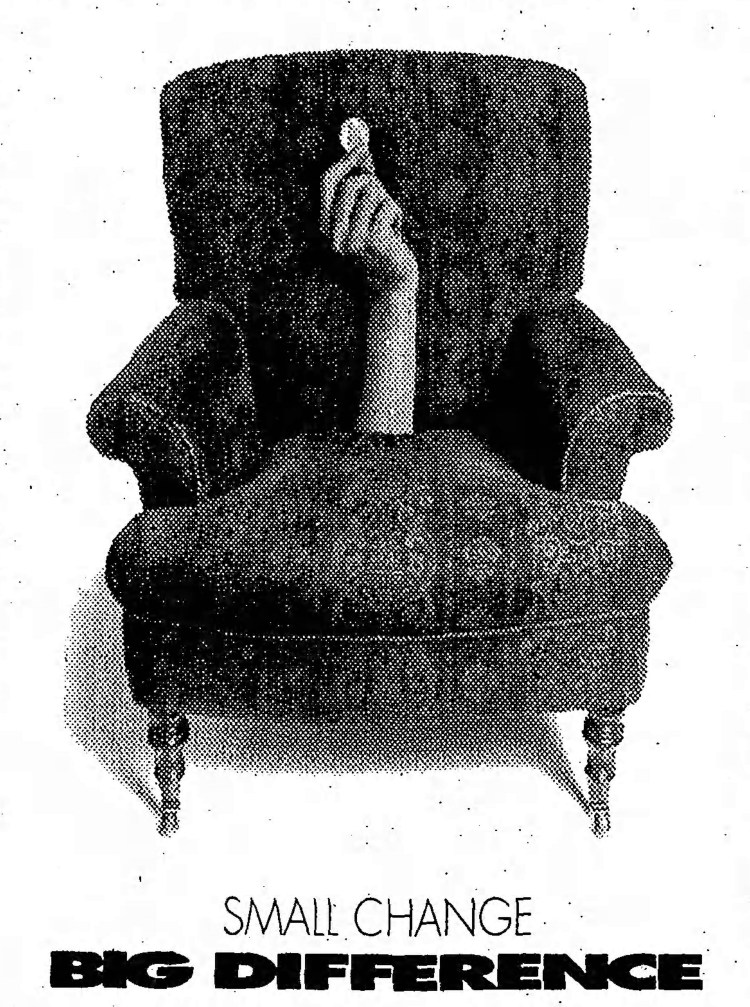
UK and Ireland—the small change that has slipped down between the cushions and the back, or the arms, of a sofa—also used figuratively: public funds that are ‘miraculously’ found; permanent end; wasted money
UK, 18th century—addressed to one who stands between the speaker and the light of a window, a lamp, a candle or a fire, or, more generally, to one who obstructs the speaker’s view
1951—with pun on the noun ‘camp’ (i.e.: encampment): extremely camp (i.e.: ostentatiously and extravagantly effeminate; deliberately exaggerated and theatrical in style)
dirty fingernails—1906—British and Irish English—but the comparison between the dirt edging the fingernails and the black border edging mourning paper dates back to the 19th century
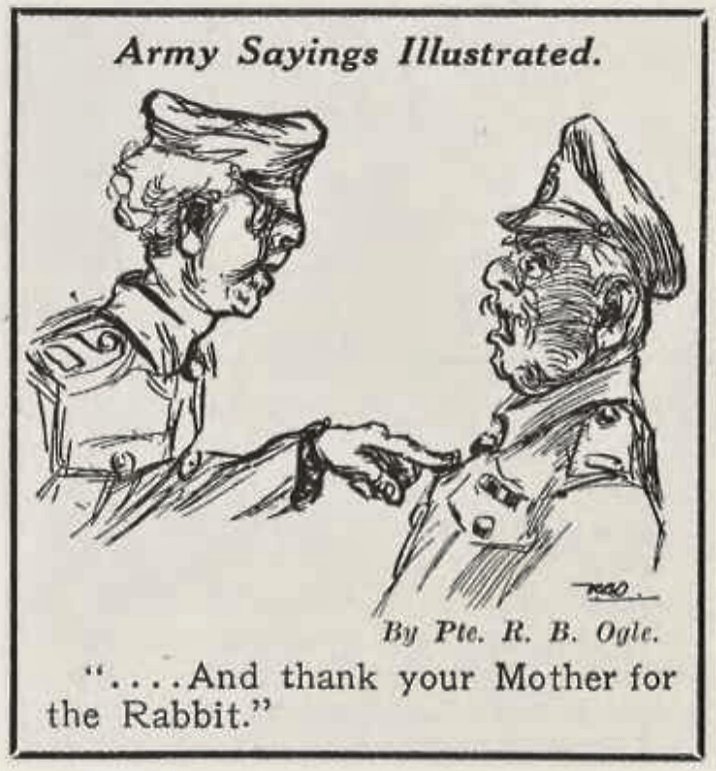
UK, 1898—Australia, 1913—used when, while addressing someone, the speaker is interrupted by someone else—in particular when the person who interrupts is a subordinate of the person whom the speaker addresses


 word histories