‘to be packed like sardines’: meaning and origin
UK, 1841—to be crowded or confined tightly together, as sardines in a tin
Read More
“ad fontes!”
UK, 1841—to be crowded or confined tightly together, as sardines in a tin
Read Morean oppressive, very confined or crowded space—UK, 1764—refers to the punishment cell at Fort William, Calcutta, in which, in 1756, the Nawab of Bengal reputedly confined British and Anglo-Indian prisoners
Read Moreto die, or to come to grief, in violent or exceptionally unpleasant circumstances—Australia, 1897—here, the adjective ‘sticky’ means ‘unpleasant’
Read MoreIndia, 1958—euphemistic appellation for verbal or physical sexual harassment of a woman by a man in a public place—refers to Eve, the first woman in the biblical account of the creation of the world, who is seen as a temptress
Read More
‘we aim to please’ (1817): originally chiefly used as a commercial slogan meaning ‘our customers’ satisfaction is our goal’—extended form ‘we aim to please; you aim too, please’ (1941): used in a variety of contexts
Read More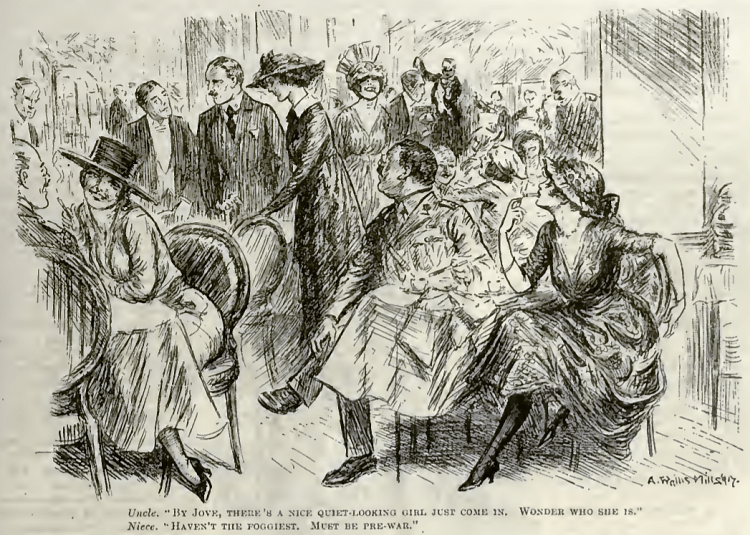
to have no idea at all—UK, 1913, shortening of ‘not to have the foggiest idea’ and variants (mid-19th century)—adjective ‘foggy’ means hazy, vague
Read More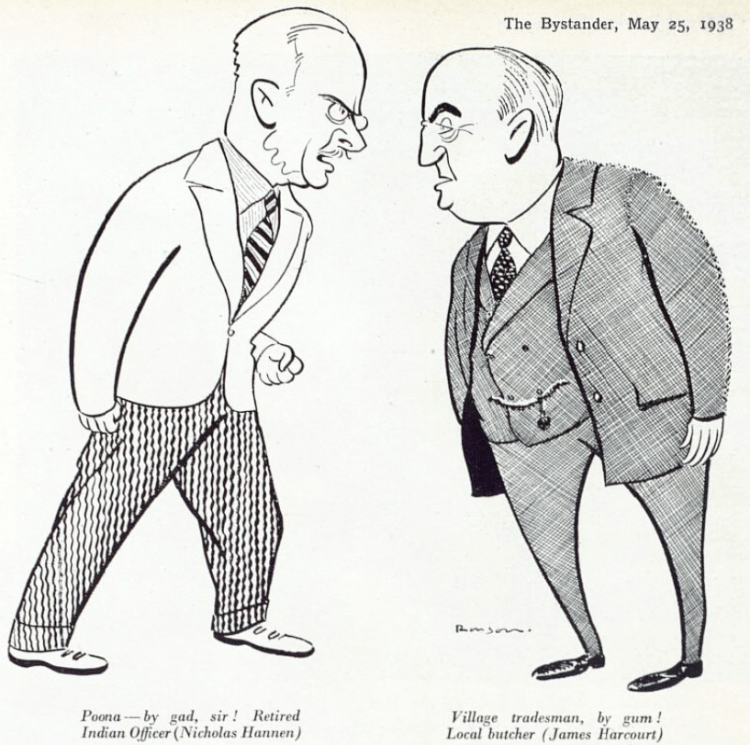
UK, 1930s—the reactionary opinions and pompous manner of the army officers who had been stationed at Poona, a military and administrative centre in India
Read Moreprimary meaning of ‘boggle’ was ‘to start with fright’, originally with reference to horses—probably related to the nouns ‘bogle’ and ‘bogey’, denoting an evil spirit such as horses are reputed to see
Read MoreUK, 1857—characterised by savage violence or merciless competition—from Alfred Tennyson’s poem ‘In Memoriam’ (1850), in which ‘red in tooth and claw’ refers to Nature’s brutality
Read MoreUK, early 19th century—private property taken from an enemy in war—originally an Anglo-Indian noun, from Hindi ‘lūṭ’, from Sanskrit ‘luṇṭh-‘, ‘to rob’—came to be also used as slang for ‘money’ and to also denote ‘wedding presents’
Read More word histories