origin of the phrase ‘as the crow flies’ (in a straight line)
Attested in 1761, ‘as the crow flies’ originally referred to the interior of a country; it did not originate in a practice of early navigation at sea.
Read More
“ad fontes!”
Attested in 1761, ‘as the crow flies’ originally referred to the interior of a country; it did not originate in a practice of early navigation at sea.
Read MoreUSA, 1837—The image is of a racoon that has been treed but the construction ‘gone + animal name’ has more generally been used in phrases of same sense.
Read Moreoriginally a kind of horse chase in which the second horse had to follow the course of the leader, like a flight of wild geese
Read MoreUK, 1793—a horse race across a stretch of open countryside, with a church steeple in view as goal
Read More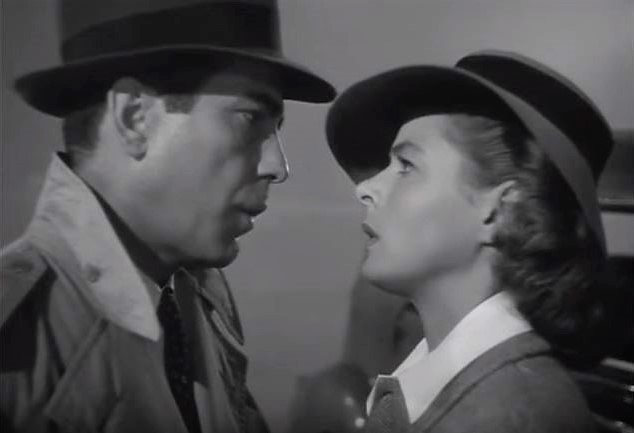
USA, 1871—The phrase ‘here’s looking at you’ is used as a toast in drinking. It is now widely associated with the American film Casablanca (1942), in which Humphrey Bogart addresses Ingrid Bergman with the words “Here’s looking at you, kid.”
Read MoreThe name ‘Quorn’ was first registered as a trademark—for certain edible products other than meat substitutes—by the Quorn Specialities Company of Leicester, England, in 1914. The meat substitute was subsequently developed by the successors of this company.
Read MoreDuring the Cold War, especially in the context of a possible nuclear war, ‘better red than dead’ was used to warn against uncompromising opposition to communism, while ‘better dead than red’ was used to express unconditional opposition to communism.
Read More
Red herring, used in laying trails for hounds to follow, was misunderstood as a deliberate attempt to distract them, hence the figurative use of ‘red herring’.
Read More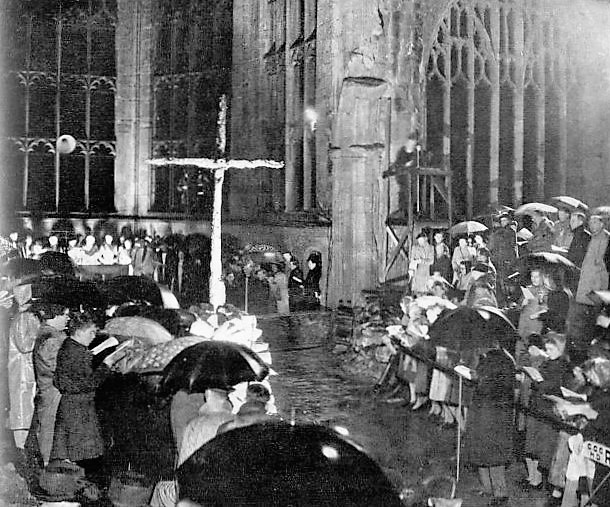
probable origin: in 1642, during the English Civil War, Royalists had been captured at Birmingham and sent to Coventry, which was a Parliamentarian stronghold.
Read More
The French word for the oyster-shaped piece of meat in the hollow of the pelvic bone of a fowl is ‘sot-l’y-laisse’, literally ‘(the) fool leaves it there’.
Read More
