very boring or unexciting—‘(as) dull as ditchwater’ (1770)—the later phrase ‘(as) dull as dishwater’ (1832) is probably due to mispronunciation of ‘ditchwater’ in the original phrase
a perceived loss of intelligence or critical thinking skills—apparently coined after ‘potato rot’ by the U.S. author Henry David Thoreau in Walden; Or, Life in the Woods (1854)
USA, 1959—in reference to the Cuban Revolution (1953-59): a revolutionary soldier under the leadership of Fidel Castro—a borrowing from Spanish ‘barbudo’ (literally: a bearded one)
1755: a musical performance in which each participant plays or sings a different tune—1759: a confused or discordant medley—one of several phrases in which the adjective ‘Dutch’ is used derogatorily or derisively
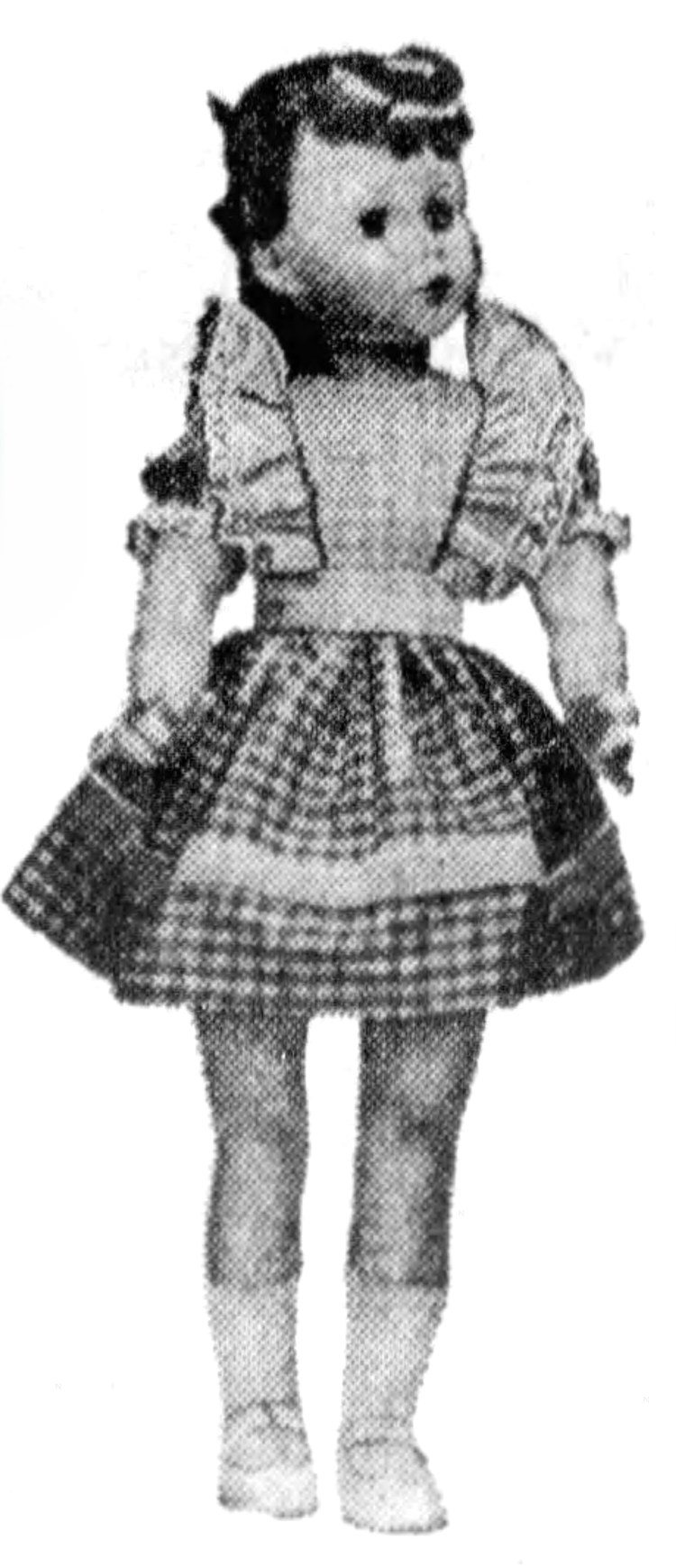
USA, 1949—a person (originally and chiefly a girl or a woman) who is especially talkative—popularised from 1960 onwards by a proprietary name for a child’s talking doll manufactured by Mattel
UK, 1916—a scrawny girl or woman—may have originated in the title of a successful song (and in the name of an equally popular character) created in 1911 by the comedienne Lily Long
UK, 1871—a paper bag, balloon, etc., filled with flour and thrown or dropped such that it bursts and disperses its contents over the target on impact, usually as a prank or as part of a protest or public demonstration
to urinate—slang—2nd half of the 20th century—based on the sound /eɪn/, common to the verb, adjective and noun that compose it—‘main vein’ probably refers to the penis


 word histories