Ireland, 1889—emphasises the truthfulness and sincerity of what one is saying—derives from a children’s oath which involved licking a finger, drying it, and drawing it across the throat while saying “My finger’s wet. My finger’s dry. Cut my throat if I tell a lie.”
The humorous expression ‘elbow grease’ (1639) denotes vigorous physical labour, especially hard rubbing. The corresponding French expression is ‘huile de coude’ (1761), literally ‘elbow oil’.
Northern England—a filled or open sandwich—originally (1827): a slice of bread spread with butter—composed of ‘butt-’, from the noun ‘butter’, and the suffix ‘-y’, forming diminutive nouns
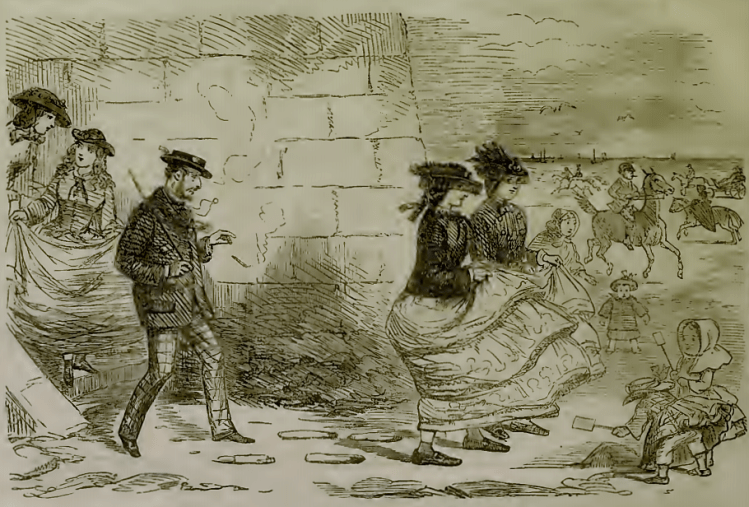
denotes a foot or a boot, especially a big one—1856, in the caption to a cartoon by John Leech, published in Punch (London, England): “A vulgar and disgusting expression, implying that a foot is big enough, and flat enough, to kill Black-beetles”
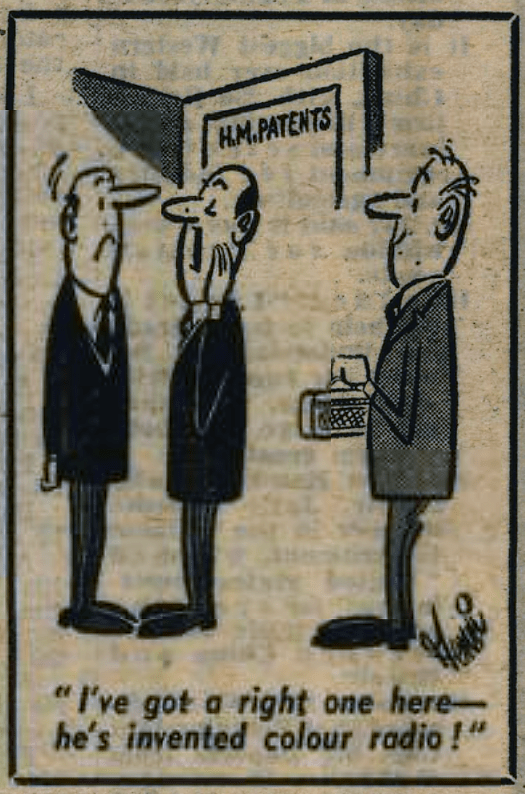
UK, 1958—The phrase ‘we’ve got a right one here’ is used of an odd person or of an idiot. Typically, the speaker uses this phrase when talking to someone about a third party.
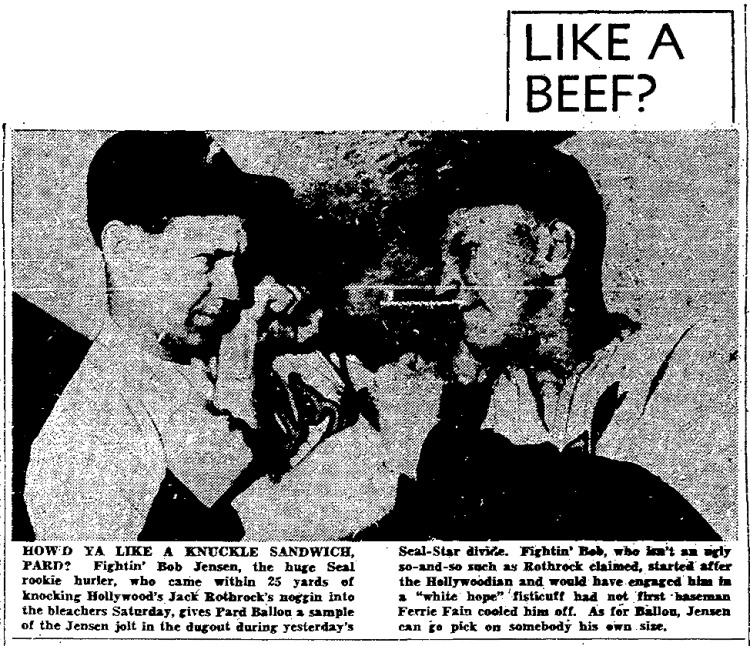
‘knuckle-sandwich’ USA, 1940—‘knuckle-butty’ UK, 1972—a punch to the mouth (or to the stomach)—the image is of a sandwich of knuckles being forced into the mouth (or into the stomach) of the person who is punched
a dentist—World War Two—slang of the British armed forces—was soon adopted into (and came to be regarded as) Australian English—earlier synonyms: ‘fang-faker’ and ‘fang-wrencher’
UK, 1677—a bad cough indicative of impending death—with allusion to the churchyard as the site of burial, ‘churchyard’ has been used attributively of something indicative of, or associated with, (impending) death
UK and Ireland—with reference to the fact that Horatio Nelson was blinded in one eye—(1922) ‘until/when Nelson gets his eye back’ is used of a very long time in the future—(1933) the metaphor of Nelson getting his eye back is used of a very small chance of success
UK, 1980—denotes someone or something that is unwelcome, unpopular, etc.—first recorded in a remark by the Scottish comedian Billy Connolly, but perhaps originated in Royal-Navy slang