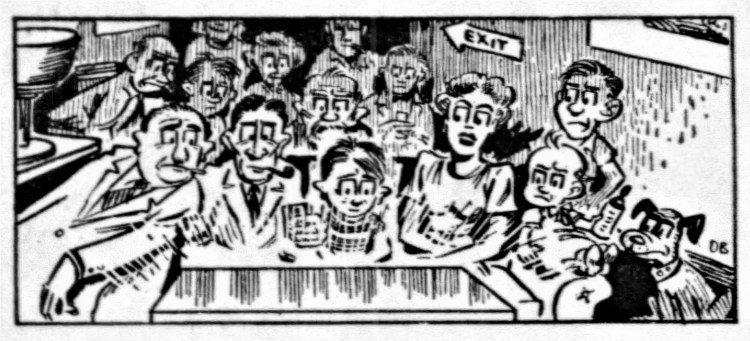
‘square eyes’ 1955: eyes fancifully imagined as made square by habitual or excessive television viewing; a person characterised as watching too much television—‘square-eyed’ 1953: affected by, or given to, excessive viewing of television
Australia, 1981—the ideology of the Australian Labor Party’s left wing, “for whom the ultimate test of a policy is the feeling of personal virtuousness to be derived from its espousal”—Labor politician James McClelland claimed to have coined this phrase
British and Irish English, 1833—denotes qualified pleasure—also: ‘to give [someone] a poke in the eye (with a — stick)’, meaning to deprecate [someone]—from ‘a poke in the eye’, denoting something undesirable
UK, 1965—in sports such as rugby and soccer: a pass to a player likely to be tackled heavily as soon as the ball is received—the implication is that the player who receives the ball may end up in hospital, or, at least, be injured
USA, 1936—the facts about sexual reproduction, especially as explained to a child—when this phrase appeared, ‘birds’ and ‘bees’ had long been commonly paired in literary allusions
UK, 1828—sleep, especially taken before midnight, assumed to be necessary to keep one looking healthy and attractive; any extra sleep—sleep taken before midnight is popularly thought to be most restful
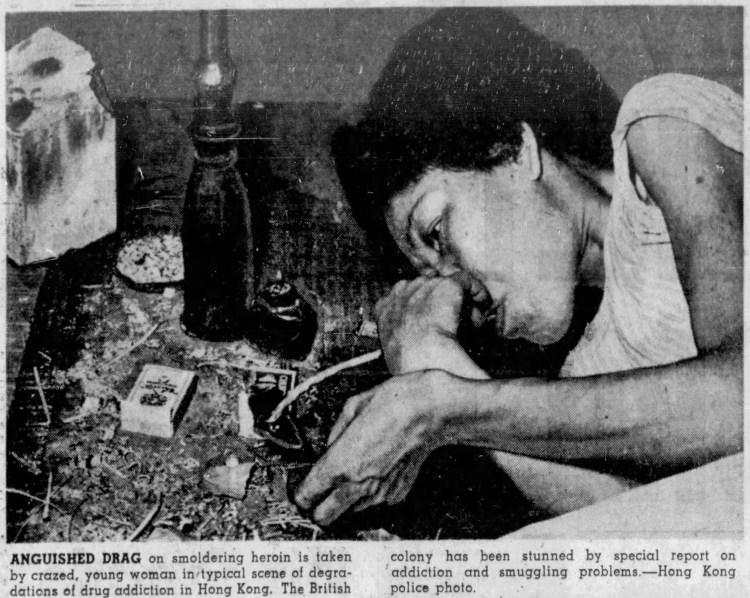
to take heroin by heating it and inhaling the fumes, which form a pattern resembling the tail of a dragon—originated in Hong Kong in the 1950s as a translation of Cantonese slang ‘chui lung’, ‘dragon chasing’
USA, 1889—when a situation reaches a critical point and one must commit oneself to an action or decision—the image is of having to shove when mere pushing is ineffective


 word histories