‘anything in trousers’: meaning and origin
USA, 1858—any man—often in contexts in which a person, especially a woman, is disparagingly characterised as sexually promiscuous or indiscriminate
Read More
“ad fontes!”
USA, 1858—any man—often in contexts in which a person, especially a woman, is disparagingly characterised as sexually promiscuous or indiscriminate
Read More
UK, 1951—‘mother-in-law’s chair’, ‘mother-in-law’s cushion’ and ‘mother-in-law’s seat’ are colloquial appellations for the globular spiny cactus Echinocactus grusonii, native to Mexico
Read More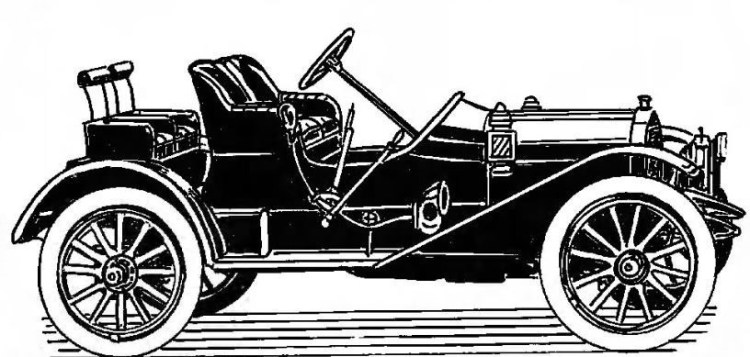
an uncovered extra seat at the back or on the side of a two-seater motor car—USA, 1907
Read MoreBritish, 1771—as an adjective: emaciated; weak and starving—as a noun: an emaciated or starving person
Read Morea narrow escape from danger, disaster or mishap—UK, 1820—refers to the act of shaving with a cutthroat razor, which may result in injury
Read Morelooking or feeling ill or nauseated—1843, in a letter by Charles Dickens—when applied to a person, the plural noun ‘gills’ designates the flesh under the jaws and ears; also the cheeks
Read Morea bad-tempered, sullen person—UK, 1981—here, the noun ‘drawers’ means ‘underpants’
Read More1901—a look inviting sexual interest—hence, the adjective ‘bedroom-eyed’ (1925), which means: giving a look inviting sexual interest
Read Morevery boring or unexciting—‘(as) dull as ditchwater’ (1770)—the later phrase ‘(as) dull as dishwater’ (1832) is probably due to mispronunciation of ‘ditchwater’ in the original phrase
Read Morea perceived loss of intelligence or critical thinking skills—apparently coined after ‘potato rot’ by the U.S. author Henry David Thoreau in Walden; Or, Life in the Woods (1854)
Read More
