A diminutive of ‘pūpa’ (‘a girl’, in transferred use also ‘a doll’), the Latin feminine noun ‘pūpilla’ came to also denote ‘the pupil of the eye’ on account of one’s own reflection seen when looking into somebody’s eye—the same metaphor underlies ‘to look babies in somebody’s eyes’.
‘Magazine’ (= ‘storehouse’) came to denote a book providing information on a specified subject (17th c.). This gave rise to the sense ‘periodical magazine (= ‘repository’) of the most interesting pieces of information published in the newspapers’ (18th c.).
‘Atlantic’ originally referred to Mount Atlas in North Africa, on which the heavens were fabled to rest; it was hence applied to the sea near the western shore of Africa, and afterwards extended to the whole ocean lying between Europe and Africa on the east and America on the west.
‘Glamour’ was originally a Scottish alteration of ‘grammar’: this article explains how it came to denote an attractive or exciting quality that makes certain people or things seem appealing. Classical Greek γραμματική (= grammatikḗ) and classical Latin grammătĭca denoted the methodical study of literature, that is to say, philology in the widest modern sense, including textual […]
Twelfth Day denotes the twelfth day after Christmas, i.e. 6th January, on which the festival of the Epiphany is celebrated, and which was formerly observed as the closing day of the Christmas festivities. (Epiphany denotes the festival commemorating the manifestation of Christ to the Gentiles in the persons of the Magi; via Old-French and Anglo-Norman forms such as epyphane (Modern […]
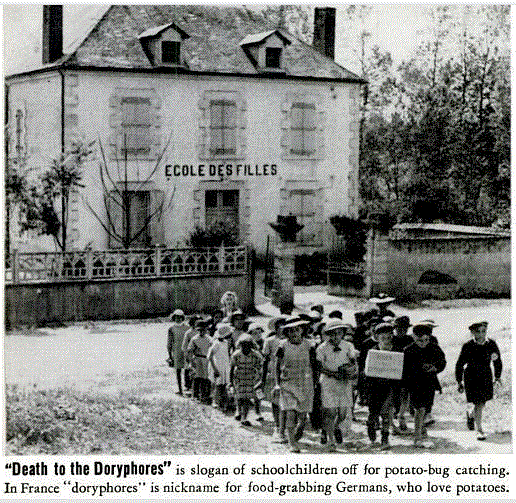
Greek ‘δορυϕόρος’ (‘doruphόros’) meant ‘spearman’; in French, ‘doryphore’ denotes the Colorado beetle and the German occupying forces during WWII; in English, it denotes a pedantic and annoyingly persistent critic.
Greek ‘skíouros’, ultimate origin of ‘squirrel’: folk-etymologically interpreted as meaning ‘shadow-tailed’ because when the animal sits erect, it raises its tail up against its back and over its head as if to shade itself
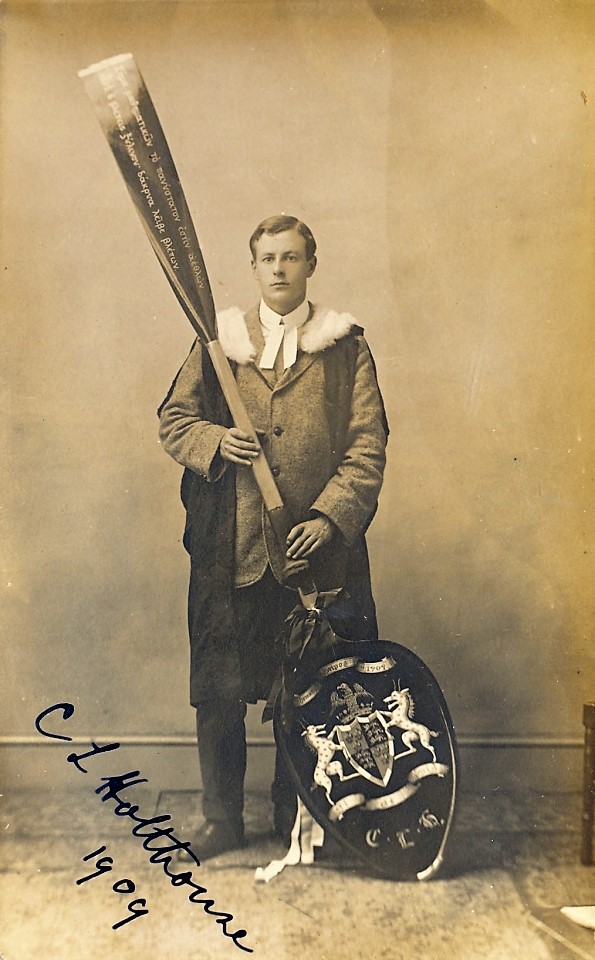
originally, at Cambridge University: oversized wooden spoon given to the candidate coming last in the mathematical tripos (BA-degree final honours examination)
a realm of fantasy, dreams or impractical notions—1856 as ‘cuckoo-cloud-land’—from the name of the city built by the birds in ‘The Birds’, by Aristophanes
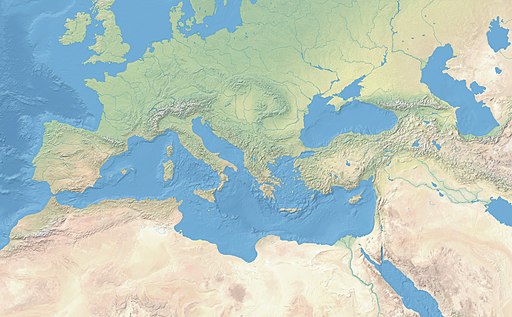
from Latin ‘mare Mediterraneum’, ‘the sea in the middle of the earth’—Latin ‘mediterrāneus’, from Greek ‘mesόgaios’, ‘situated in the middle of the land’


 word histories