meanings and origin of the term ‘God’s acre’
churchyard—from German ‘Gottesacker’, literally ‘God’s field’—image of the bodies of the dead sown like seeds in order to bear fruit at the time of resurrection
Read More
“ad fontes!”
churchyard—from German ‘Gottesacker’, literally ‘God’s field’—image of the bodies of the dead sown like seeds in order to bear fruit at the time of resurrection
Read More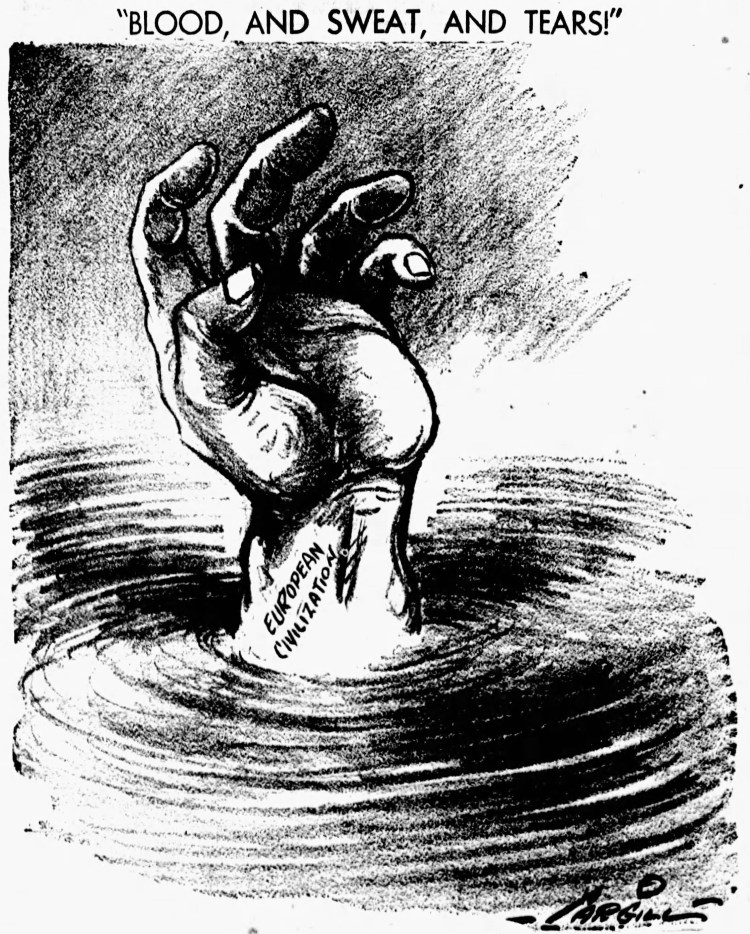
current use seems to allude to a speech by Winston Churchill in May 1940—but the metaphor goes back to the early 17th century
Read More
to use a temporary expedient—UK, 1889—origin attributed to Prussian statesman Bismarck in a letter written during the negotiations of the Convention of Gastein (1865)
Read More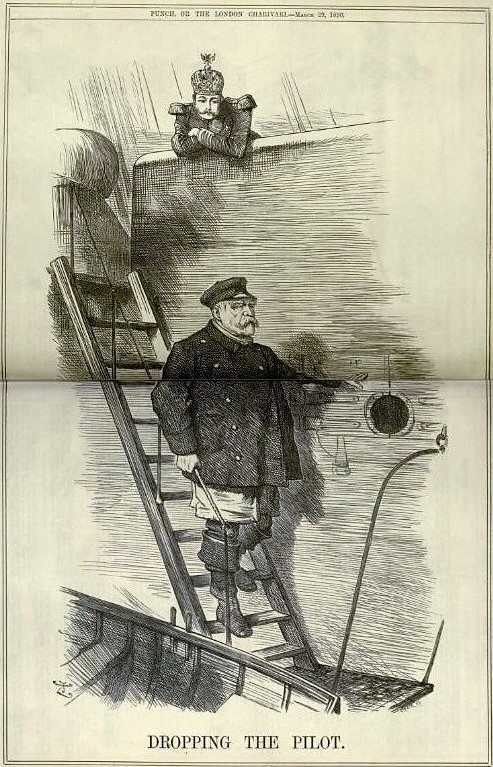
John Tenniel popularised the phrase in a cartoon depicting the dismissal of Otto von Bismarck, published in Punch (London) of 29 March 1890.
Read More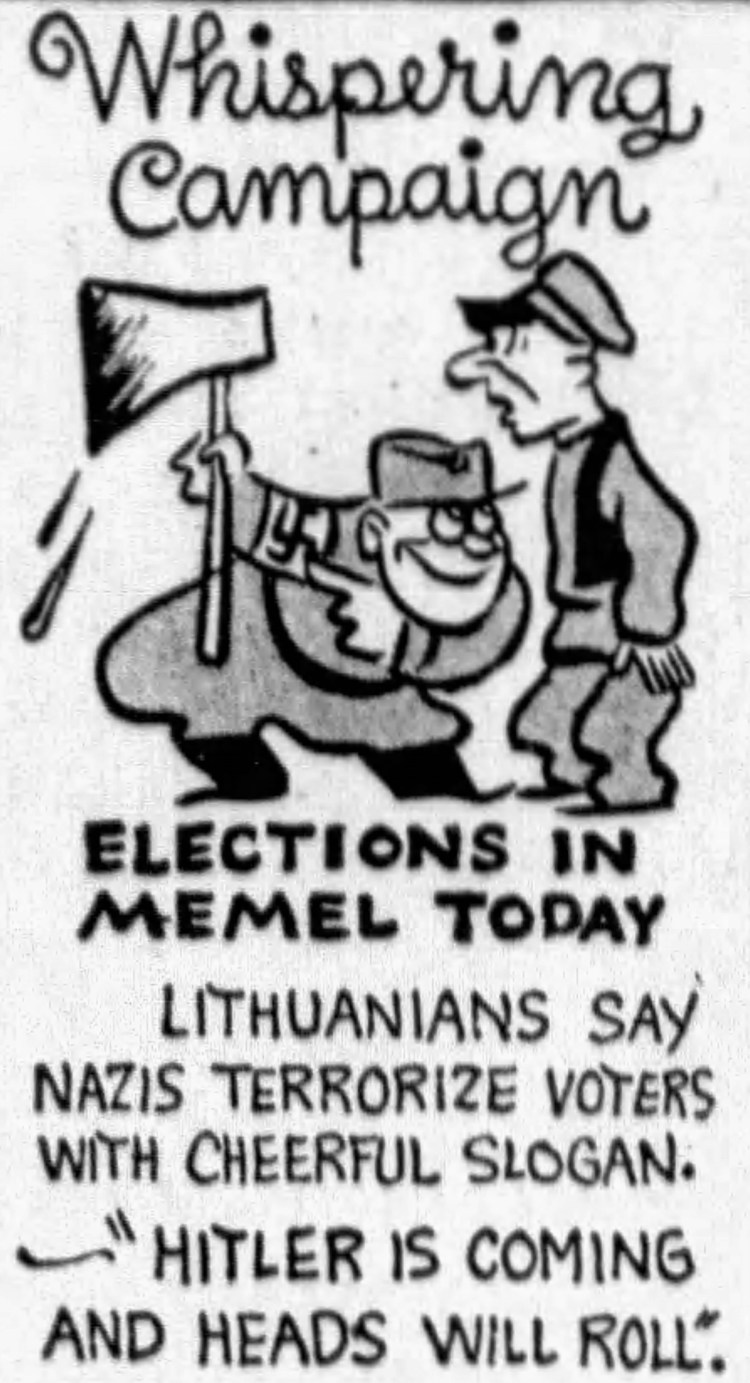
based on the notion of execution by beheading—popularised by a literal threat of executions made on 25th September 1930 by Adolf Hitler
Read More‘double Dutch’, 19th century—from ‘Dutch’ in the sense of a language that few people can speak, and ‘double’ as a mere intensifier—‘High Dutch’, 17th century—loan translation from French ‘haut allemand’ (= ‘High German’), used in the sense of gibberish
Read MoreUSA—‘to go Dutch’ (1907): to have every participant pay their own expenses, or share expenses equally—via ‘to go Dutch treat’ (1887), from ‘Dutch treat’ (1873): a meal, etc., at which each participant pays their share of the expenses—from a German practice
Read MoreThis proverb is first recorded in the mid-18th century as ‘take care of the pence, and the pounds will take care of themselves’ in letters that two fathers wrote to their respective children; so new was the adage that they attributed its coinage to various persons.
Read MoreDuring the Cold War, especially in the context of a possible nuclear war, ‘better red than dead’ was used to warn against uncompromising opposition to communism, while ‘better dead than red’ was used to express unconditional opposition to communism.
Read MoreA calque of German ‘blauer Montag’, ‘blue Monday’ originally denoted a Monday on which people chose not to work as a result of excessive indulgence over the course of the weekend. Under the influence of the adjective ‘blue’ in the sense ‘dismal’, it came to denote a Monday that is depressing or trying.
Read More word histories