‘old boy network’: meaning and origin
UK, 1950, as ‘old boy net’—a system of favouritism and preferment operating among people of a similar social, usually privileged, background, especially among former pupils of public schools
Read More
“ad fontes!”
UK, 1950, as ‘old boy net’—a system of favouritism and preferment operating among people of a similar social, usually privileged, background, especially among former pupils of public schools
Read Moreone of the German air raids in 1942 on places of cultural and historical importance in Britain—from ‘Baedeker’: any of a series of guidebooks to foreign countries, issued by the German publisher Karl Baedeker (1801-1859) and his successors
Read More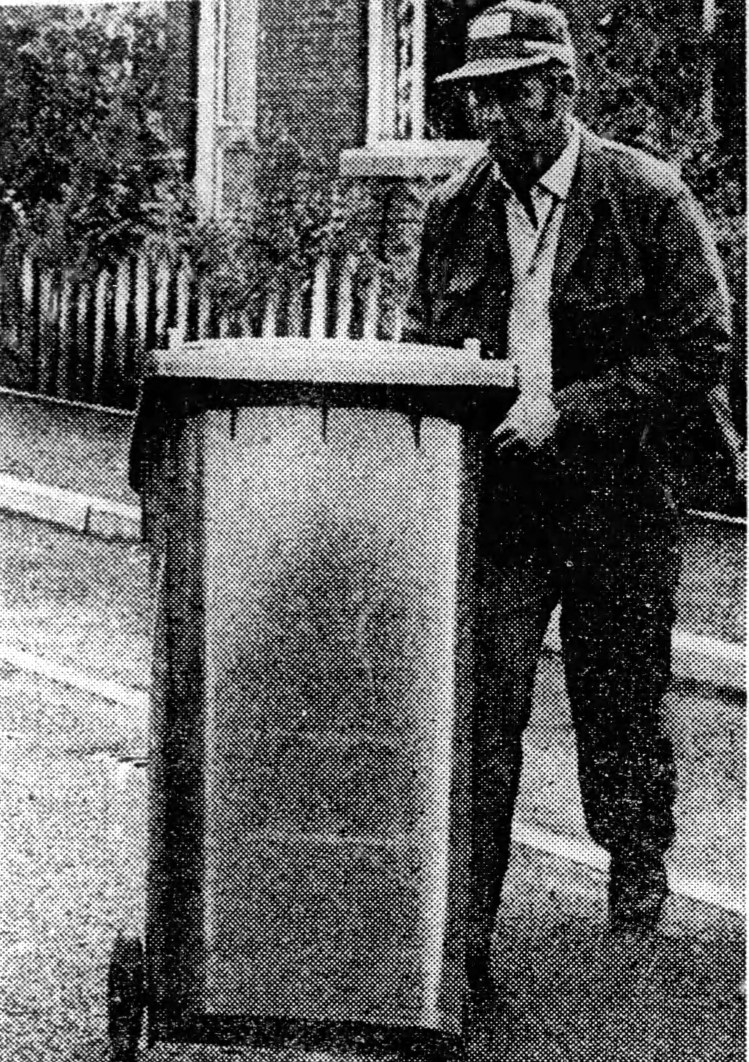
UK, 1983—a large, rectangular dustbin with a hinged lid and wheels on two of the corners—bins on wheels were introduced into the United Kingdom in 1980 on the model of what was done in the Federal Republic of Germany
Read Morecompromising information collected for use in blackmailing, discrediting or manipulating a person, group, etc.—borrowed from Russian (Soviet secret police) ‘kompromat’, from ‘kompro-’ in ‘komprometirujuščij’, meaning ‘compromising’, and ‘mat-’ in ‘material’, meaning ‘material’
Read More
1757, as a loan translation of German ‘Eiserne Jungfer’ (German text published in 1740)—1837, as a loan translation of German ‘Eiserne Jungfrau’—an instrument of torture, supposedly used during the Middle Ages, consisting of an upright coffin-shaped box lined with iron spikes, into which the victim is shut
Read Morethe name of a decree issued in Nazi Germany in December 1941, under which individuals suspected of resistance or other underground activities were arrested and deported suddenly and without trace, frequently during the night—by extension: any situation, event, etc., characterised by mystery, obscurity or secrecy
Read More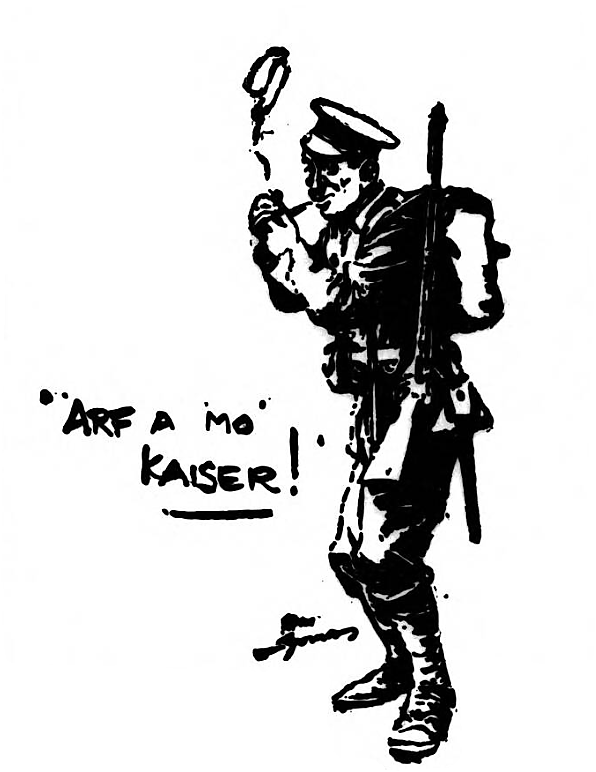
“half a moment, Kaiser!”—1914 as the caption to a drawing by Bert Thomas, published in the Weekly Dispatch (London) to advertise a tobacco fund for soldiers
Read More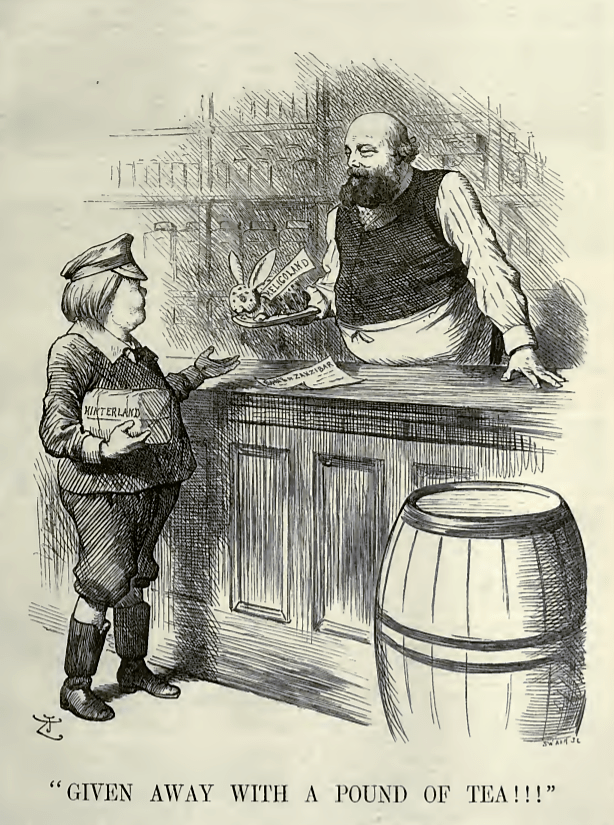
UK, 1881—used of something considered tawdry—from the grocers’ former practice of making a free gift with every pound of tea or with any fair-sized order
Read MoreUK and USA, World War One—borrowing from French, literally ‘it is war’—expresses acceptance of, or resignation at, the situation engendered by war
Read More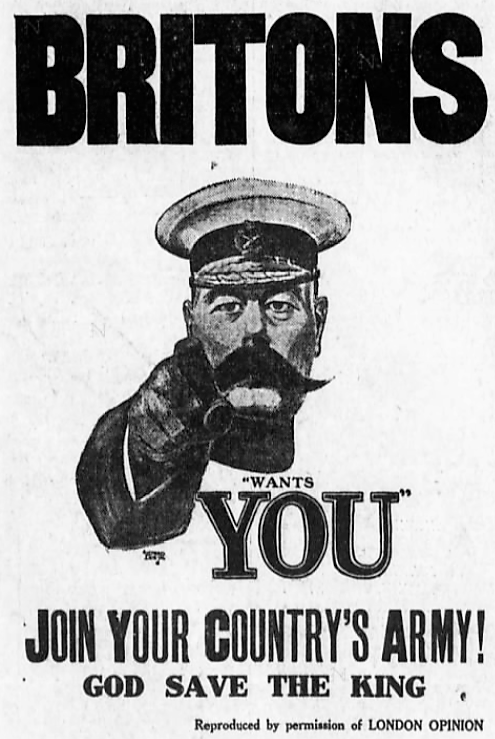
UK, 1914—from a poster showing Lord Kitchener, Secretary of State for War, used in the recruitment campaign at the beginning of World War One
Read More word histories