Why does ‘season’ mean both ‘a division of the year’ and ‘to flavour’?
‘to season’, from Old French ‘saisonner’: ‘to do something during the proper season’, hence ‘to make appropriate to the circumstances’, ‘to flavour (a dish)’
Read More
“ad fontes!”
‘to season’, from Old French ‘saisonner’: ‘to do something during the proper season’, hence ‘to make appropriate to the circumstances’, ‘to flavour (a dish)’
Read More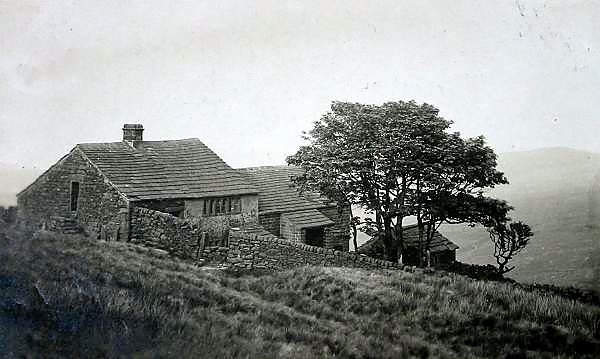
In the name of the farmhouse, ‘wuthering’ is a “provincial adjective, descriptive of the atmospheric tumult to which its station is exposed in stormy weather.”
Read MoreBritish, 18th century—a mock oath attributed to sailors, meaning ‘may my ship’s beams be broken into pieces’—early variants used by Tobias Smollett
Read More1611—from French ‘omelette’, ultimately an alteration of ‘lemelle’, ‘knife blade’ (from Latin ‘lamella’), with reference to the flattened shape of the dish
Read More
the name of a deep boggy place at the beginning of Christian’s journey to the Celestial City in ‘The Pilgrim’s Progress’ (1678), by John Bunyan
Read More‘To eavesdrop’ originally referred to standing within the eavesdrop (the ground on to which water drips from the eaves of a house) in order to overhear what is going on inside.
Read More‘Let the cobbler stick to his last’ goes back to Pliny’s story of the Greek artist Apelles answering a cobbler who had criticised one of his paintings.
Read MoreThe word ‘slave’ is from Medieval Latin ‘Sclavus’, ‘Slav’, because the Slavic peoples were frequently reduced to a servile condition by the Germanic conquest.
Read More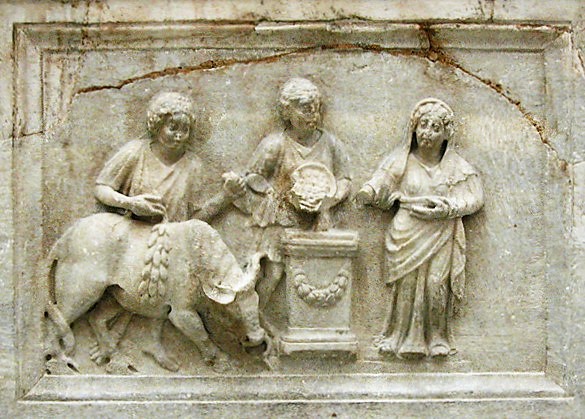
The verb ‘immolate’ is from Latin ‘immolare’, meaning, literally, ‘to sprinkle (a victim) with sacrificial meal’, from ‘mola salsa’, ‘salted spelt-meal’.
Read MoreThe verb ‘sneeze’ is an alteration of the obsolete verb ‘fnese’ due to misreading or misprinting it as ‘ſnese’ (= ‘snese’).
Read More word histories