the uncertain origin of the word ‘cockney’
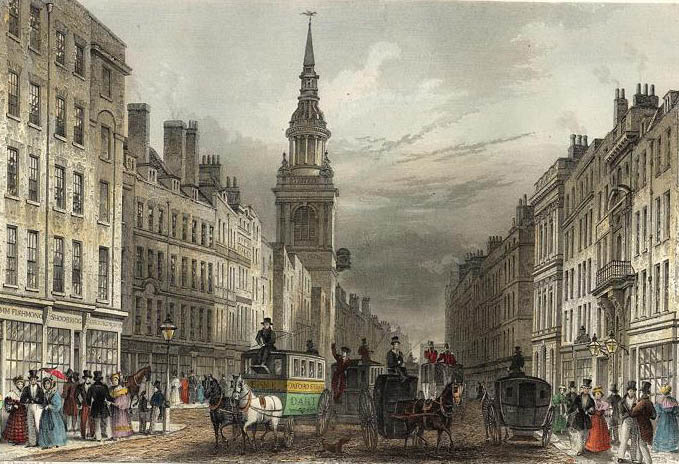
originally ‘pampered child’, later ‘town-dweller regarded as affected or puny’—origin uncertain—probably not the same word as ‘cokeney’, literally ‘cock’s egg’
Read More
“ad fontes!”
originally ‘pampered child’, later ‘town-dweller regarded as affected or puny’—origin uncertain—probably not the same word as ‘cokeney’, literally ‘cock’s egg’
Read Moremid-17th cent. in the sense ‘brand new’—from ‘spick and span new’, extension of ‘span new’, from Old Norse ‘spán-nýr’, ‘as new as a freshly cut wooden chip’
Read Moreto desert someone in trouble—late 16th cent.—from French ‘lourche’, which denoted a game resembling backgammon and was used as an adjective meaning discomfited
Read More
UK, 1930s—from Cold Comfort Farm (1932), by Stella Gibbons, in which a character exploits a traumatic childhood experience to exert control over her family
Read Moreprobably from Latin ‘Mater Cara’ or Italian ‘Madre Cara’, ‘dear mother’, i.e. the Virgin Mary, believed by sailors to send the petrel as a harbinger of storms
Read Morefrom the image of an impossible task, ‘to set the Thames on fire’: to work wonders — typically used negatively in the ironic sense never to distinguish oneself
Read MoreThis phrase is a transformation of ‘one’s head full of bees’, meaning scatter-brained, unable to think straight, as if bees are buzzing around in one’s head.
Read MoreThe word ‘slave’ is from Medieval Latin ‘Sclavus’, ‘Slav’, because the Slavic peoples were frequently reduced to a servile condition by the Germanic conquest.
Read More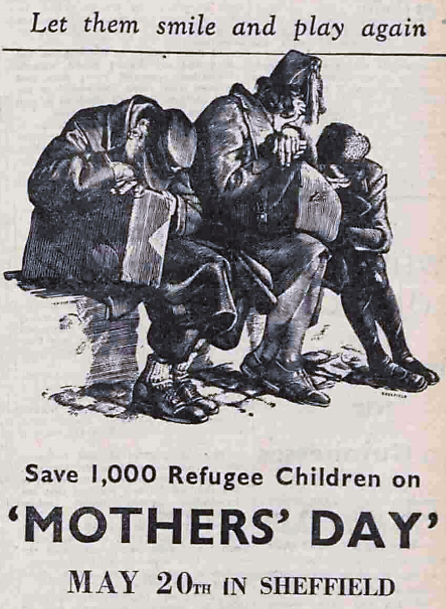
Kindertransport (from German ‘Kinder’, children): operation from 1938 to 1940 to evacuate (mostly Jewish) children from Nazi-controlled areas of Europe to the UK
Read More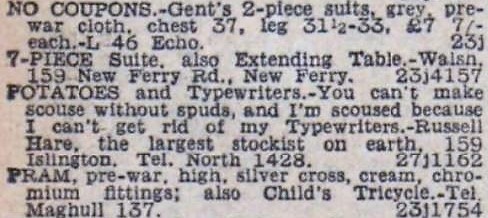
The original sense of ‘Scouse’, denoting a person from Liverpool, is ‘a stew’. The word ‘scouse’ is in turn a shortening of ‘lobscouse’, of obscure origin.
Read More word histories