the melodramatic origin of ‘cloak-and-dagger’
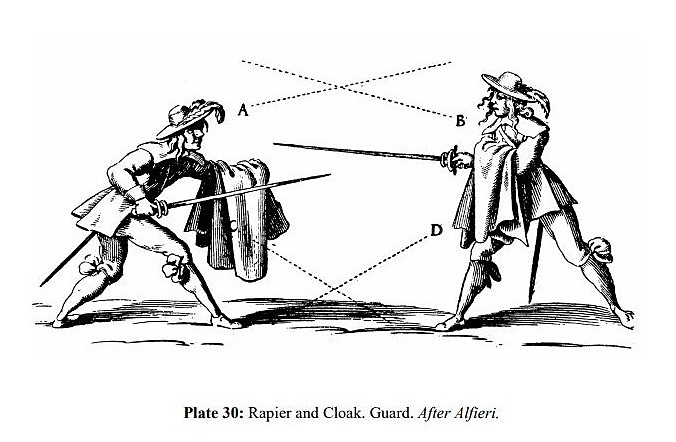
possibly from ‘cloak and sword’, from Spanish ‘(comedia) de capa y espada’, a type of dramas in which the main characters wore cloaks and swords or daggers
Read More
“ad fontes!”
possibly from ‘cloak and sword’, from Spanish ‘(comedia) de capa y espada’, a type of dramas in which the main characters wore cloaks and swords or daggers
Read More
UK, 1972—‘XXXX’: a euphemistic substitute for a four-letter swear word, usually ‘fuck’—it did not originally refer to the Australian lager Castlemaine XXXX
Read More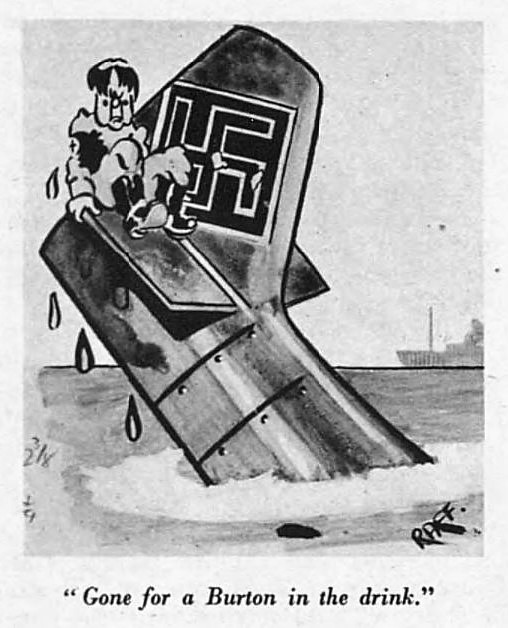
to meet with disaster; to be ruined, destroyed or killed—UK, 1941, RAF slang: (of an airman) to be killed—perhaps from ‘to go for a drink (of Burton ale)’
Read MoreUK, 1891—‘to take the mickey (or ‘the mike’) out of’: ‘to tease or ridicule’—probably after ‘Mickey (or ‘Mike’) Bliss’, rhyming slang for ‘piss’
Read MoreSince antiquity, European languages have variously named the butterfly, in particular by using sound reduplications expressive of its fluttering.
Read More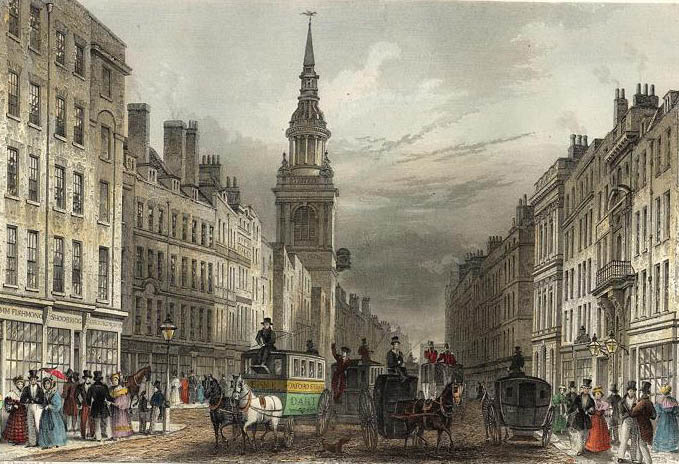
originally ‘pampered child’, later ‘town-dweller regarded as affected or puny’—origin uncertain—probably not the same word as ‘cokeney’, literally ‘cock’s egg’
Read More‘with minute exactness’—UK, 1693—probably a shortening of synonymous ‘to a tittle’ (1607), ‘tittle’ meaning ‘a small mark used in writing or printing’
Read More
The spelling ‘ache’ (erroneously derived from Greek ‘ákhos’) instead of ‘ake’ is largely due to Samuel Johnson in A Dictionary of the English Language (1755).
Read More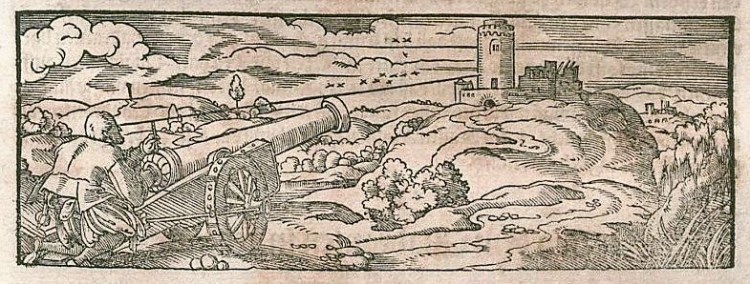
1571—probably from obsolete French ‘de pointe en blanc’, used of firing into empty space for the purpose of seeing how far a piece of artillery would carry
Read Morefrom ‘to lose a sheep for a halfpennyworth of tar’—refers to the use of tar to protect sores and wounds on sheep from flies (‘sheep’ was pronounced ‘ship’)
Read More word histories