additional notes on ‘beer o’clock’
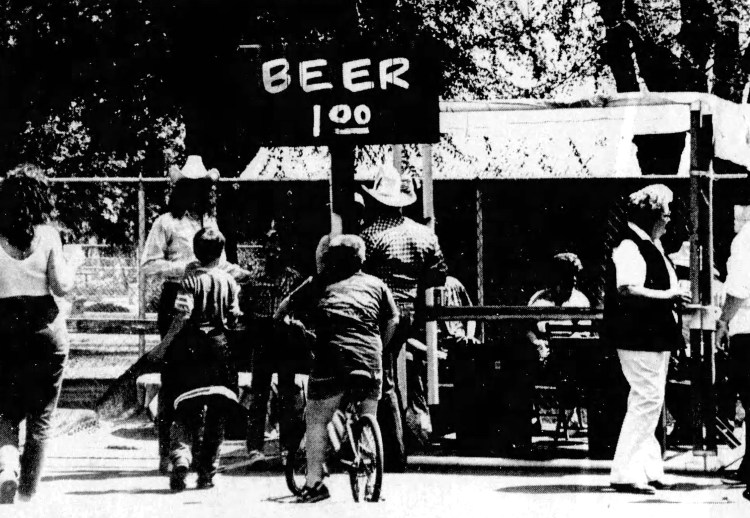
a time at which it is considered acceptable or sociable to start drinking beer—used of various times of the day—USA, 1910
Read More
“ad fontes!”
a time at which it is considered acceptable or sociable to start drinking beer—used of various times of the day—USA, 1910
Read MoreUK, 1945—upper-class slang for ‘champagne’—from the first syllable of ‘champagne’ and the suffix ‘-ers’, used to make jocular formations on nouns by clipping them
Read More1910: a cheap and common watch—hence (from 1922 onwards) used in various phrases referring to silliness, reliability/unreliability, erraticism, cheapness, funniness
Read MoreUK & USA, early 20th century—used in a variety of meanings, among which: ‘a postcard on which the sender could leave the imprint of a kiss’, and ‘a brief statement about kissing’
Read Morethe value to the recipient of a gift lies in the goodwill or affection with which the gift is given—USA, 1885—originally in reference to the Christmas season
Read More1843—a representation of a human skull or skeleton, originally crafted from sugar and intended to be eaten and often given to children as a gift around Día de Muertos (Day of the Dead)
Read Morea celebration for a woman who is about to get married, attended by her female friends and relations—UK, 1987—first used in relation to Stags and Hens (1978), a stage play by William Russell
Read MoreUK, 1827—a mood or attitude appropriate to the Christmas season, especially one involving feelings of goodwill, benevolence and a willingness to enjoy oneself
Read MoreUSA, 1882—the fourteenth of July, the national holiday of the French republic, commemorating the storming of the Bastille on 14th July 1789—also shortened to ‘Quatorze’ (1898)
Read Morethe fourteenth of July, the national holiday of the French republic, commemorating the storming of the Bastille on 14th July 1789—coined in 1837 by Thomas Carlyle
Read More word histories