UK, 1851—a person (or persons) or a thing (or things) considered unattractive, inferior or unpleasant, compared to others of the same type or group—alludes to Cinderella’s ugly and unpleasant stepsisters in the fairy tale Cinderella
a sly, treacherous or deceitful person, especially one who is secretly acting against the interests of the community or organisation to which he or she belongs—mid-19th century
UK, 1907: ‘to ghostwrite’ (to write a book, an article, etc., for another person, under whose name it is then published—USA, 1908: ‘ghostwriter’ (a person who ghostwrites)
the returns from an activity or undertaking do not warrant the time, money or effort required—calque of French ‘le jeu ne vaut pas la chandelle’—1603, in John Florio’s translation of Montaigne’s Essays
the benefits of an endeavour are enough to outweigh the effort of pursuing it—USA, 1959—refers to the labour-intensive process of squeezing fruit to produce fresh juice
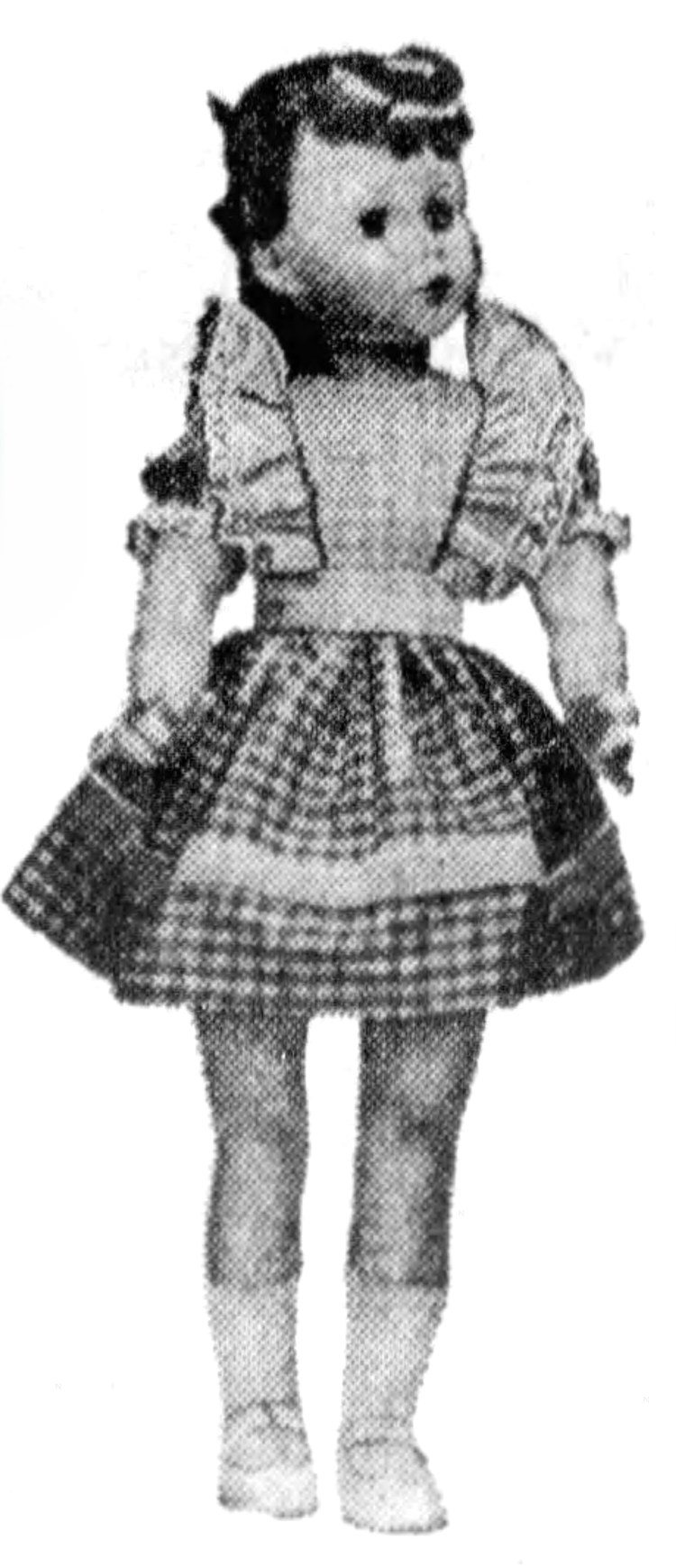
USA, 1949—a person (originally and chiefly a girl or a woman) who is especially talkative—popularised from 1960 onwards by a proprietary name for a child’s talking doll manufactured by Mattel

 word histories