UK, 1877—a period of admission ending some time before the beginning of a theatrical performance, in order to offer a guaranteed seat or a wider selection of seating, typically for a higher price
a woman who had no qualities other than attractiveness, with connotations of low intelligence, or of flightiness, or of low social status and poverty—second half of the 19th century, chiefly in stories by women writers
the exploitation and intimidation of tenants by unscrupulous landlords—UK, 1963—refers to Peter Rachman, a London landlord whose unscrupulous practices became notorious in the early 1960s
has been used since September 1978 to denote the winter of 1978-79 in the United Kingdom, during which widespread strikes took place in protest against the then Labour government’s wage limits
UK, 1949—an extra hour added to the end of a prison officer’s working day—from the fact that this extra hour was introduced during WWII by Herbert Stanley Morrison, Secretary of State for Home Affairs and Home Security
a tax levied on an unforeseen or unexpectedly large profit, especially a profit that is considered to be excessive or unfairly obtained—UK, 1909—apparently coined by the British economist Arthur Cecil Pigou
originally used in 1940 in reference to refuse collection—came to be used in 1970 in reference to the recycling of waste materials—then in 1971 in reference to the practice of looking through the garbage of celebrities
UK—the summer of 2022, during which numerous strikes took place—alludes to ‘winter of discontent’, i.e., the winter of 1978-79, during which widespread strikes took place in protest against the government’s wage limits
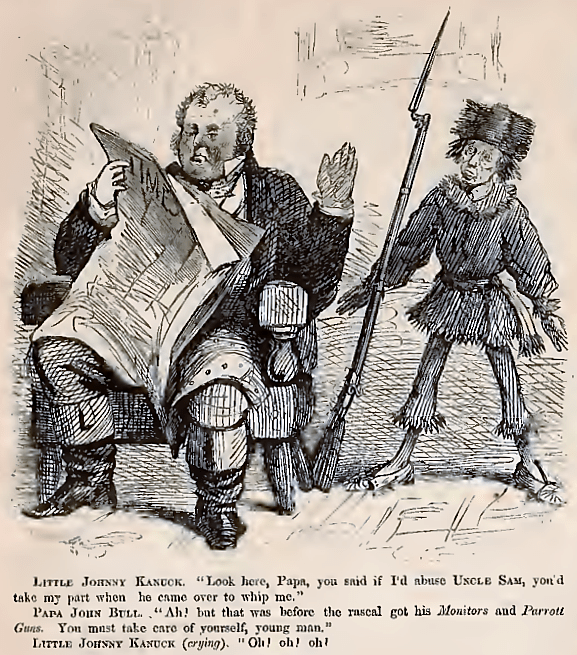
USA, 1858—a personification of the Canadian nation; Canadian people collectively; as a count noun: a Canadian—from ‘Canuck’, meaning Canadian—‘Johnny’ is used with modifying word to designate a person of the type, group, profession, etc., specified
Australia—‘charity dame’ 1949—‘charity moll’ 1962—an amateur prostitute who charges less than the usual rate—from ‘Moll’, pet form of the female forename ‘Mary’, the noun ‘moll’ has long been used to designate a prostitute


 word histories