Australia, 1981—used by some Aborigines of those who are considered to have betrayed their Aboriginal identity in order to be accepted into the white Australian society—the image is that (like the coconut, dark on the outside, but white on the inside) those Aboriginal ‘betrayers’ are outwardly black, but inwardly white
Australia, 1830—refers to the Aboriginal belief that light-skinned persons are reincarnations of dead Aborigines—extended forms: ‘jump up white fellow, plenty of sixpence’ and ‘go down blackfellow and jump up whitefellow’
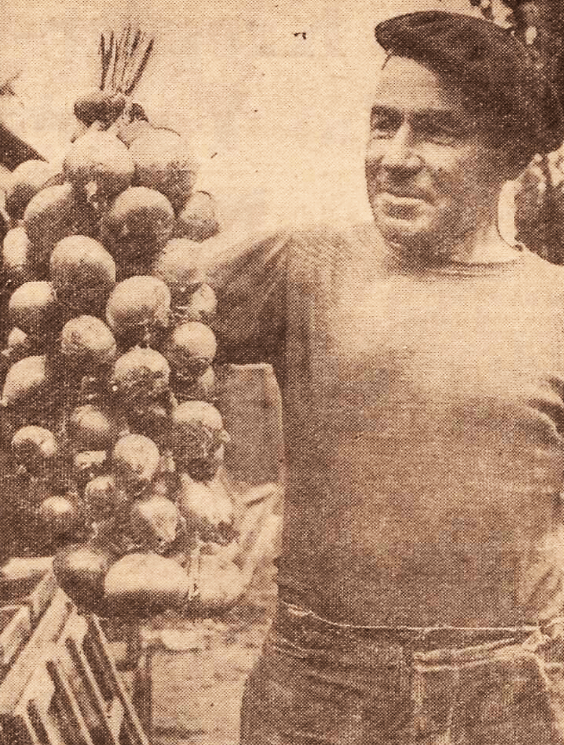
UK, 1877—an onion-seller from Brittany who sold onions door-to-door around the coasts of Britain—used with modifying word, ‘Johnny’ designates a person of the type, profession, etc., specified
the three traditional interests of the stereotypical New-Zealand man—but also applied to both sexes—1962 or 1963 as the title and in the lyrics of a song by the New-Zealand singer-songwriter Rod Derrett
any muddle-headed business—UK, 1813—the stupidity of the people of Coggeshall, a small town in Essex, England, has been proverbial since the mid-17th century
USA, 1938—male-chauvinistic phrase meaning that the place of women is in the home and that their role is to bear children—also ‘pregnant and barefoot(ed)’