also ‘ring (a)round the bath(tub)’—USA, 1914—a dirty water-level mark left on the inside of a bathtub after it has been drained, caused by a combination of hard water and a build-up of soap scum, oils from bath products, etc.
Australia & New Zealand, early 1970s—‘Pommy’: a British immigrant to Australia or New Zealand; a British (especially an English) person—‘-bashing’: the activity of abusing or attacking the people mentioned just because they belong to a particular group or community
Australia, 1962—an immigrant from Britain who complains about Australia—‘Pommy’: apparently a shortening of ‘pomegranate’, used to designate an immigrant from Britain
Australia & New Zealand—a person who exploits the system of unemployment benefits by avoiding gainful employment—first used in 1974 by the Australian Minister for Labor and Immigration Clyde Cameron in reference to young people who migrated to the Gold Coast
Australia, 1938—an indignant response to someone who is taking the speaker for a fool—alludes to the condescending way in which townspeople treated people from the country during bush week (i.e., a festival held in a town or city, celebrating bush produce, activities, etc.)
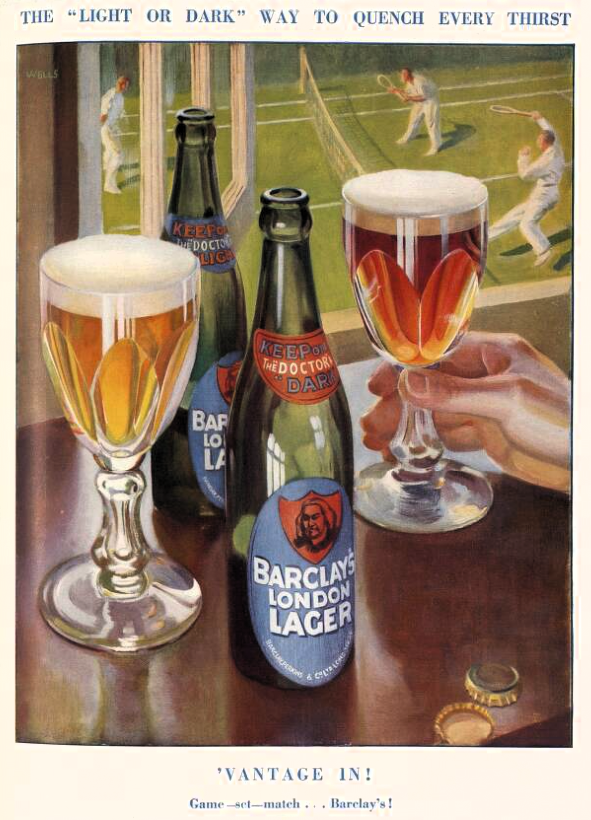
literally (UK, 1876): a victory in a tennis match, secured by winning the deciding game of the last set required to win—in extended use (UK, 1906): a complete and decisive victory
USA 1813—a heavy metal ball secured by a chain to a person’s leg to prevent escape or as a punishment—figuratively, mid-19th century: anything seen as a heavy restraint, especially the matrimonial bonds
UK, 2019—an older, white, working-class, Brexiteer, Northern-English man—coined by thinktank Onward to designate the Conservative Party’s target voter in the 2019 general election—refers to Workington, in Cumbria
In French, the concept of dependency underlies the semantic distribution of some basic lexical items: the female is strictly defined in her relation of dependency to the male, as a daughter or as a spouse.
also ‘to drop one’s h’s’—not to pronounce the letter h at the beginning of words in which it is pronounced in standard English—1855—1847 as ‘not to sound one’s h’s’

 word histories