UK, 1797—strength or confidence gained from drinking alcohol—alludes to the drinking habits ascribed to the Dutch—one of the phrases in which ‘Dutch’ is used derogatorily, largely because of the enmity between the English and the Dutch in the 17th and 18th centuries
U.S., 1876—‘bulldozers’: members or supporters of the Democratic Party who used threats and acts of violence in order to prevent Afro-Americans from voting for Republican candidates
USA, 1956—acronym from ‘white Anglo-Saxon Protestant’—‘Wasp’, or ‘WASP’: a person who belongs to, or is thought of, as being part of a white, upper middle-class, northern European, Protestant group that dominates economic, political and cultural activity in the USA
Of American-English origin, ‘bag lady’, or ‘shopping-bag lady’, denotes a homeless woman, often elderly, who carries her possessions in shopping bags. The earliest instance that I have found is from The Pocono Record (Stroudsburg, Pennsylvania) of 19th June 1971.
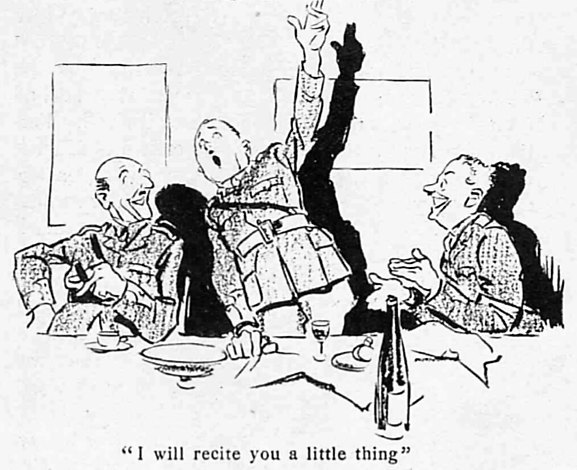
some characteristic slang creations of the British, U.S. and French soldiers during World War One, as recorded in ‘Trench Talk’, published in Everybody’s Magazine (New York) of January 1918
The phrase ‘below the salt’ originated in the social differentiations materialised by the former custom of placing a large saltcellar in the middle of a dining table.
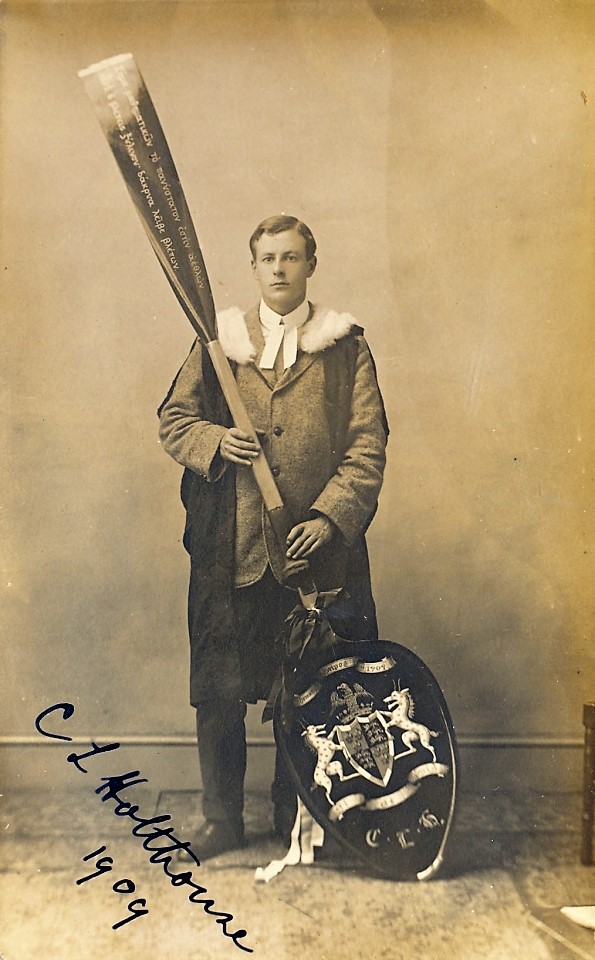
originally, at Cambridge University: oversized wooden spoon given to the candidate coming last in the mathematical tripos (BA-degree final honours examination)
from Speed the Plough (1798), by Thomas Morton; Dame Ashfield is constantly fearing to give occasion for the sneers of Mrs Grundy, her unseen neighbour

 word histories