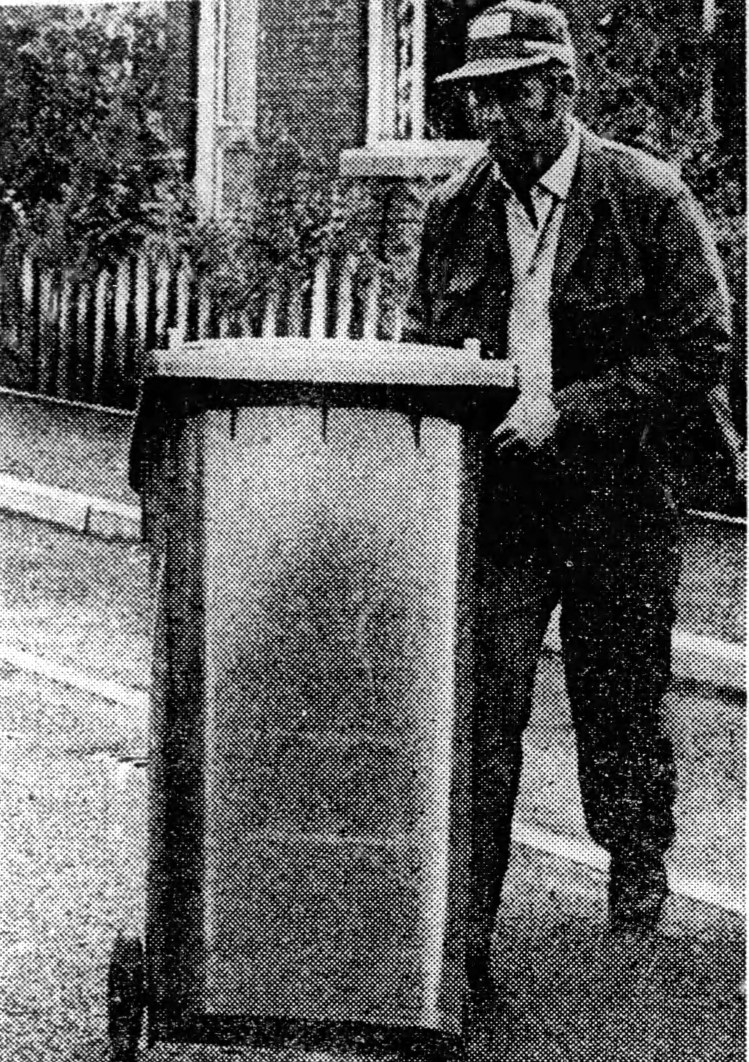
UK, 1983—a large, rectangular dustbin with a hinged lid and wheels on two of the corners—bins on wheels were introduced into the United Kingdom in 1980 on the model of what was done in the Federal Republic of Germany
a box in which a young woman stores clothes and household articles in preparation for her marriage—Australia, 1902—perhaps related to the British ‘glory hole’, denoting a place for storing odds and ends
a young woman’s collection of clothes and household articles, kept in preparation for her marriage—UK, 1835?—refers to the (notional?) receptacle where those clothes and household articles are supposed to be kept
a person or thing that is insignificant or contemptible—1910—originally (1900): a type of small high-velocity shell, with reference to the high-pitched sound of its discharge and flight
smartly dressed—from the verb ‘fig out/up’, meaning ‘to smarten up’—this verb is probably an alteration of the verb ‘feague’, of uncertain origin, meaning ‘to make (a horse) lively’
a difficult, uncooperative or unsociable person—UK, 1829—from French ‘mauvais coucheur’, literally ‘bad bedfellow’, with original allusion to a person whom a traveller had to share a bed with when stopping over at an inn
also ‘to be all thumbs’—to be extremely clumsy (i.e., lacking in manual dexterity)—19th century—variants of the original phrase ‘each finger is a thumb’, already proverbial in the mid-16th century
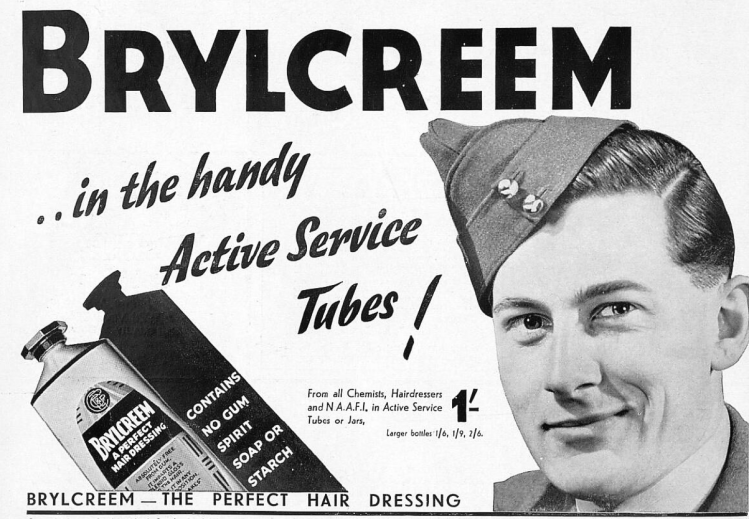
UK, 1941—a fighter pilot in the Royal Air Force; also used by the military land forces of any member of the R.A.F.—originally referred to WWII advertisements for Brylcreem hair cream, featuring a fighter pilot
a married woman living apart from her husband (18th century)—originally (16th century) an unmarried woman who has borne an illegitimate child—alludes to a bed of grass as a typical place for illicit sexual intercourse

 word histories