meaning and origin of the phrase ‘to have a bee in one’s bonnet’
This phrase is a transformation of ‘one’s head full of bees’, meaning scatter-brained, unable to think straight, as if bees are buzzing around in one’s head.
Read More
“ad fontes!”
This phrase is a transformation of ‘one’s head full of bees’, meaning scatter-brained, unable to think straight, as if bees are buzzing around in one’s head.
Read More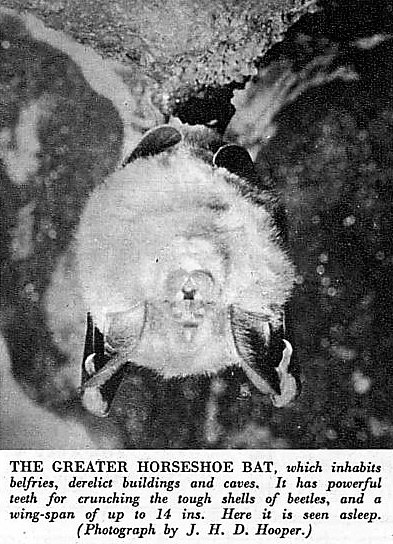
Of American-English origin, ‘to have bats in one’s belfry’ is from the image of bats flying around when disturbed, like confused thoughts in a disordered mind.
Read MoreThe phrase perhaps originated in laws or customs regulating the gathering of firewood by tenants; it was perhaps a legal formula in which ‘crook’ merely reinforced ‘hook’.
Read More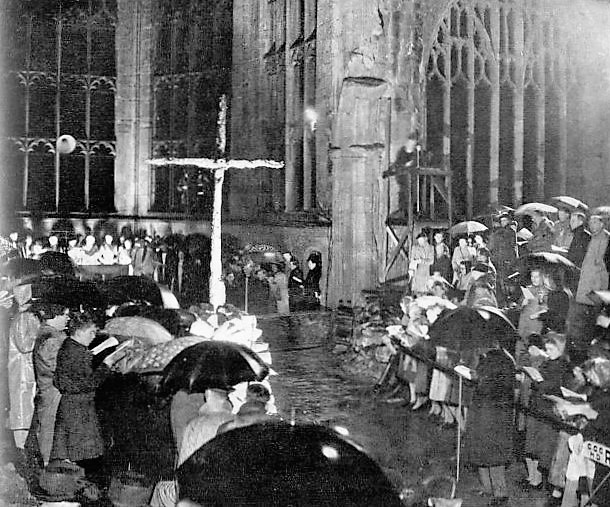
probable origin: in 1642, during the English Civil War, Royalists had been captured at Birmingham and sent to Coventry, which was a Parliamentarian stronghold.
Read More
‘Gorgeous Wrecks’ (UK, WWI): members of the Volunteer Training Corps, from the letters ‘G.R.’ (‘Government Recognition’) interpreted as meaning ‘Georgius Rex’
Read More
The current sense of ‘jingo’ originated in a 1877 patriotic song adopted by the bellicose factions within the Conservative Party during the Russo-Turkish war.
Read MoreA horse’s teeth reveal its age. It is therefore bad manners to look in the mouth of a horse that has been received as a gift in order to establish its value.
Read More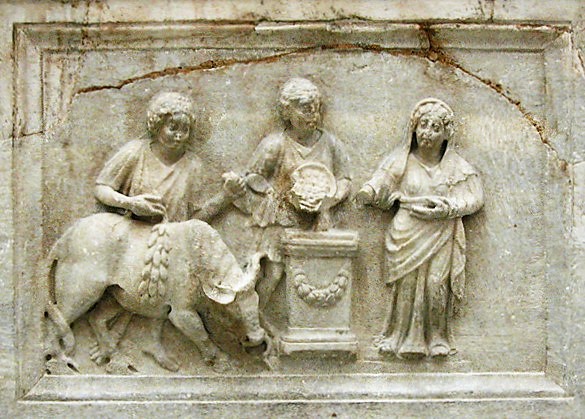
The verb ‘immolate’ is from Latin ‘immolare’, meaning, literally, ‘to sprinkle (a victim) with sacrificial meal’, from ‘mola salsa’, ‘salted spelt-meal’.
Read MoreThe verb ‘sneeze’ is an alteration of the obsolete verb ‘fnese’ due to misreading or misprinting it as ‘ſnese’ (= ‘snese’).
Read MoreThis phrase originated in the belief that bear cubs were born formless and had to be licked into shape by their mother.
Read More word histories