‘to give the little lady a (great) big hand’: meaning and early occurrences
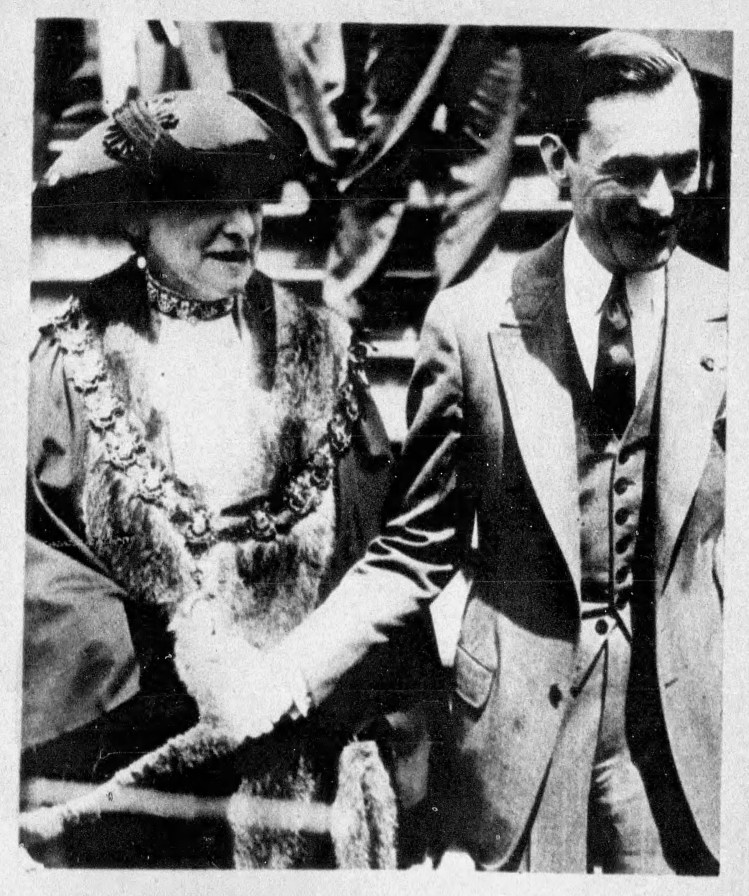
USA, 1928—Based on the contrast between the adjectives ‘little’ and ‘big’, this humorous phrase means: to applaud a woman for an achievement.
Read More
“ad fontes!”
USA, 1928—Based on the contrast between the adjectives ‘little’ and ‘big’, this humorous phrase means: to applaud a woman for an achievement.
Read More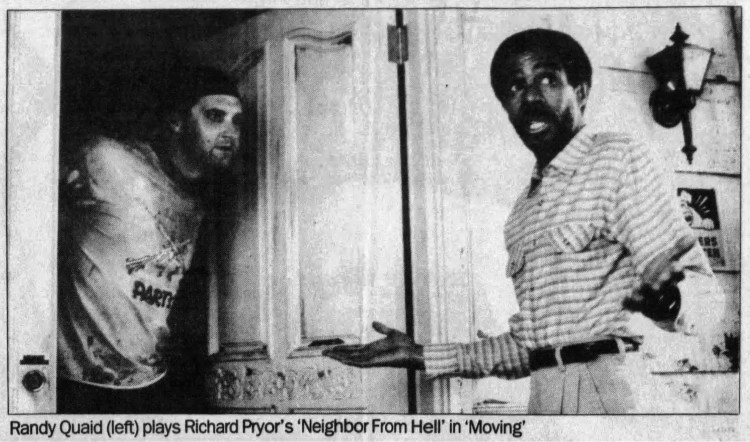
UK, 1993—USA, 1987—the words ‘—— from hell’ are suffixed to nouns often referring to everyday life, such as ‘holidays’ and ‘neighbour(s)’, to make phrases denoting an exceptionally unpleasant or bad example or instance of ‘——’
Read MoreUSA, 1937—an uneasy sensation felt, especially in the stomach, as a result of nervousness or apprehension—based on the notion that the fluttering of butterflies may produce a similar sensation
Read MoreUK, 1890—pregnant—refers to “the bulging puddinglike appearance of a pregnant woman”
Read MoreUSA, 1927—a conventional film ending, regarded as sentimental or simplistic, and often featuring an improbably positive outcome—by extension: an improbably positive outcome to a real-life situation
Read MoreAustralia, 1973—used of anything that is absolutely unacceptable, and of any disagreeable situation or experience—‘Jap’: derogatory shortening of ‘Japanese’—Anzac Day: commemoration of the landing of the Australian and New Zealand Army Corps in the Gallipoli Peninsula in 1915
Read MoreUSA, 1936—the facts about sexual reproduction, especially as explained to a child—when this phrase appeared, ‘birds’ and ‘bees’ had long been commonly paired in literary allusions
Read More1909 to 1923 in stories by English author P. G. Wodehouse—a facetious appellation for a home or hospital for people with mental illnesses—‘loony’: shortened form of ‘lunatic’
Read MoreAustralia, 1982—a stretch of Oxford Street, in Sydney, which is the city’s main gay district—refers to the use of Vaseline to ease anal intercourse, and based on the alliteration in /v/
Read More1914—the colloquial British-English phrase ‘to pop one’s clogs’ means ‘to die’—while ‘clog’ designates a shoe with a thick wooden sole, the acceptation of the verb ‘to pop’ is obscure
Read More word histories