‘pinky swear’: meaning and origin
USA—also ‘pinky promise’—a binding promise made while linking one’s little finger with that of another person—‘pinky’ designates the little finger
Read More
“ad fontes!”
USA—also ‘pinky promise’—a binding promise made while linking one’s little finger with that of another person—‘pinky’ designates the little finger
Read MoreUSA, 1930—a rhetorical question calling attention to a non-sequitur or irrelevant statement or suggestion made by another person—one of the phrases built on the pattern ‘what has that got to do with the price of ——?’
Read Morehumorous variant of ‘one man’s meat is another man’s poison’—USA, 1929—refers to the phrase ‘the law of the Medes and Persians’, denoting something which cannot be altered
Read More
also ‘to throw a wobbler’—New Zealand, 1964—to lose one’s self-control in a fit of nerves, temper, panic, etc.—‘wobbly’, also ‘wobbler’, denotes a fit of temper or panic
Read Morethe celebrities of the fashionable literary and show-business world—USA, 1944—blend of ‘glitter’ ((to make) a brilliant appearance or display) and of ‘literati’ (intellectuals)
Read More
USA, 1995—a woman thought to have become intolerably obsessive or overbearing in planning the details of her wedding—from ‘Godzilla, the suffix ‘-zilla’ is used to form humorous nouns which depict a person or thing as a particularly fearsome, relentless or overbearing example of its kind
Read MoreUK, 1886—those in charge of an organisation, project or initiative lack the fundamental qualities needed to fulfil their responsibilities
Read MoreU.S. slang, 1935—a photograph of a person’s face, especially in police or other official records—from ‘mug’ (a person’s face) and ‘shot’ (a single photographic exposure)
Read Moresexual intercourse—Scotland, 1968—reduplication (with variation of the initial consonant and addition of the suffix ‘-y’) of the noun ‘rump’, denoting a person’s buttocks
Read More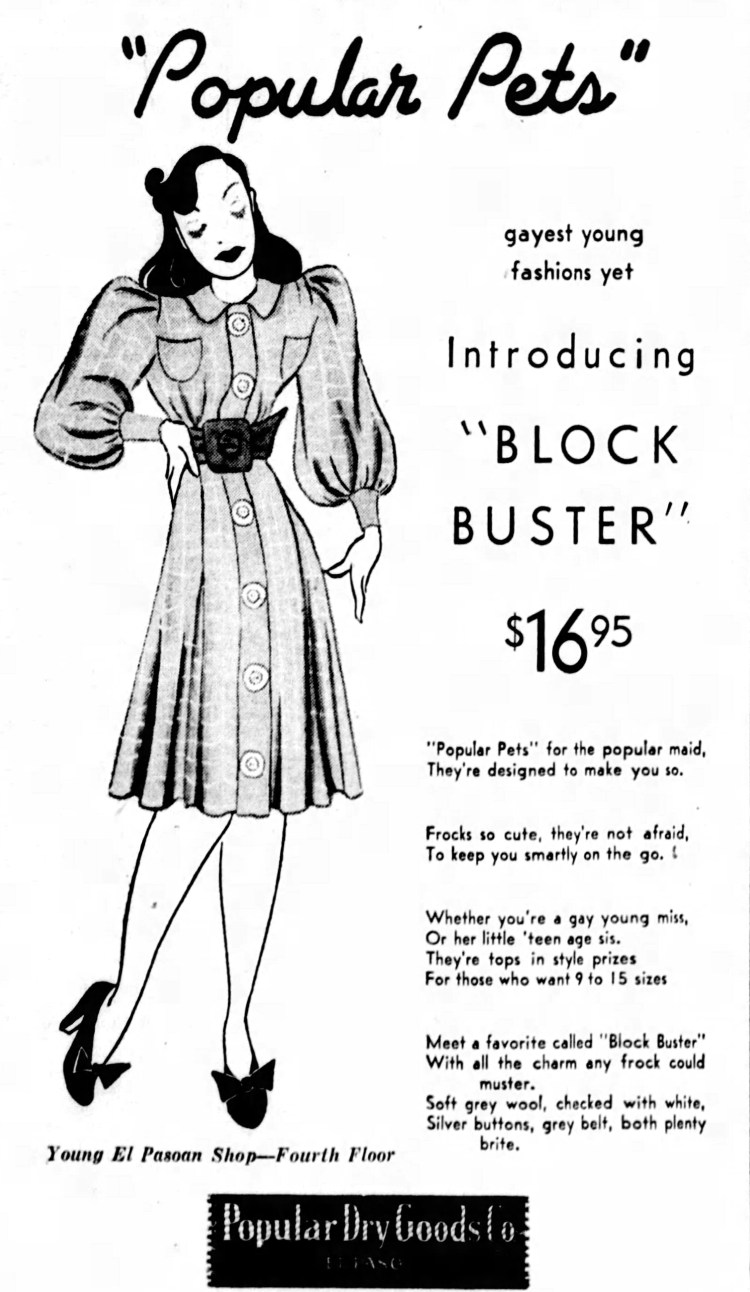
USA, 1942: a large aerial bomb that can destroy a whole block of buildings—USA, 1942: a thing of enormous impact, power or size
Read More
