meanings and origin of ‘bell, book, and candle’
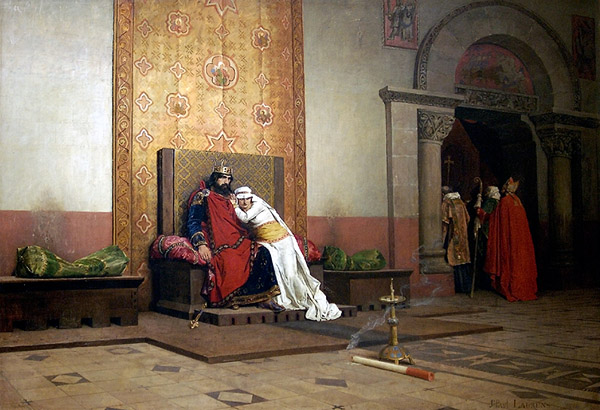
14th century—a form of excommunication from the Catholic Church—by extension any process of condemnation carried out thoroughly
Read More
“ad fontes!”
14th century—a form of excommunication from the Catholic Church—by extension any process of condemnation carried out thoroughly
Read More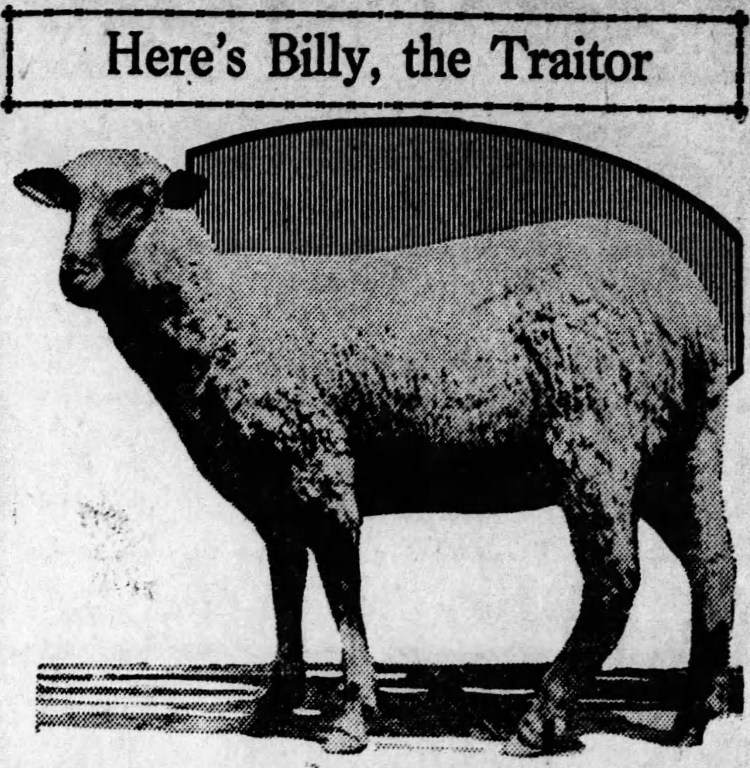
USA, early 20th century—a sheep or a goat used to lead sheep to slaughter—hence any person or thing used as a decoy to lure people into being caught, arrested, etc.
Read More
an extremely beautiful woman—alludes to the description of Helen of Troy in Christopher Marlowe’s ‘Doctor Faustus’—has given rise to countless adaptations
Read More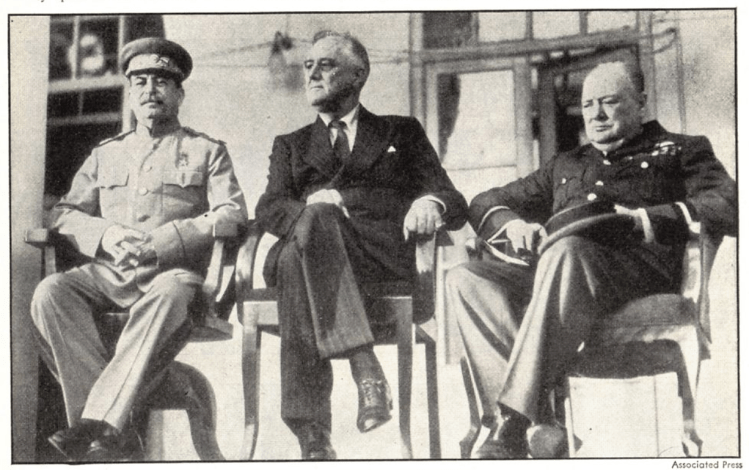
used to pose the dilemma between material power and moral strength, and seemingly to dismiss the latter—from a question allegedly posed by Joseph Stalin (USA 1943)
Read More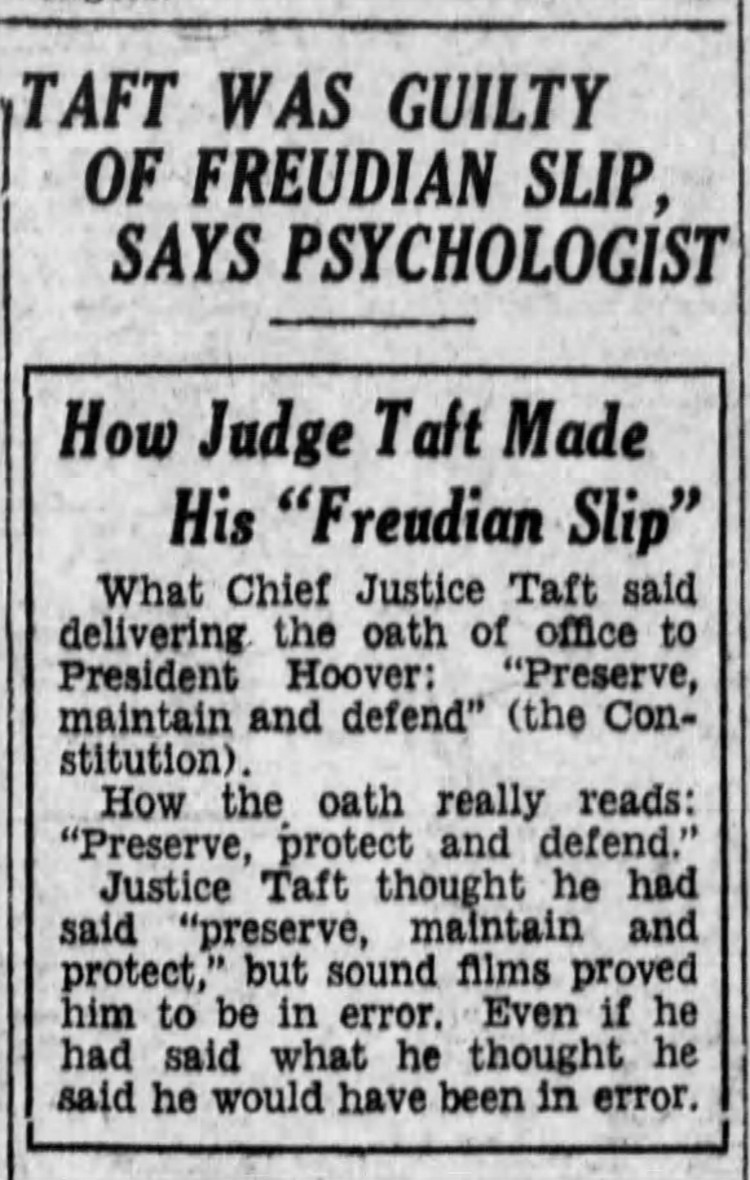
USA, 1927—a slip of the tongue by which the speaker reveals an unconscious thought—named after Austrian neurologist and psychotherapist Sigmund Freud (1856-1939)
Read Moree.g. ‘one eye at St. Paul’s and the other at Charing-cross’, ‘un œil aux champs et l’autre à la ville’ (one eye at the fields and the other at the town)
Read More
The letter ‘s’ in both the nouns currently spelt ‘island’ and ‘aisle’ is due to folk-etymological association of those words with the unrelated noun ‘isle’.
Read More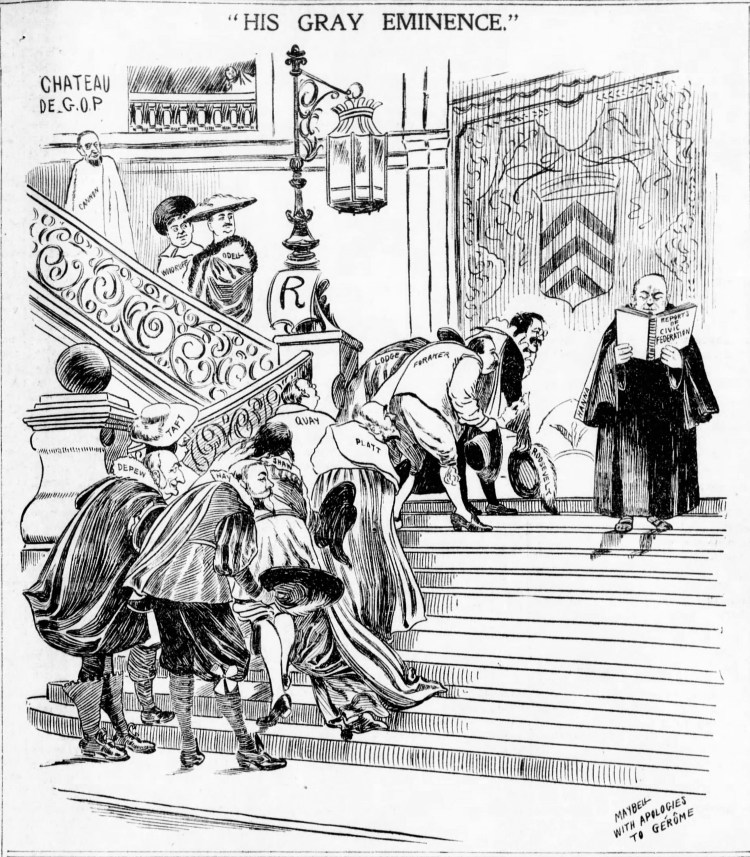
UK, 1877—a person who wields unofficial power and influence—originally applied to Père Joseph (François Leclerc du Tremblay), French friar, confidential agent of Cardinal Richelieu
Read More1969 as ‘No Go Land’, proper name of a Catholic ghetto in Belfast—1970 as ‘no-go area’, any Northern-Irish area to which entry was restricted or forbidden
Read Moreearly 18th century, in Jonathan Swift’s ‘Polite Conversation’—from the folk belief that one shudders when somebody walks over the site of one’s future grave
Read More word histories