‘gunpowder tea’: meaning and origin
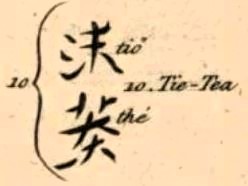
a fine kind of green tea, each leaf of which is rolled up into a pellet—UK, 1767—refers to the resemblance of the pellets to granules of gunpowder
Read More
“ad fontes!”
a fine kind of green tea, each leaf of which is rolled up into a pellet—UK, 1767—refers to the resemblance of the pellets to granules of gunpowder
Read More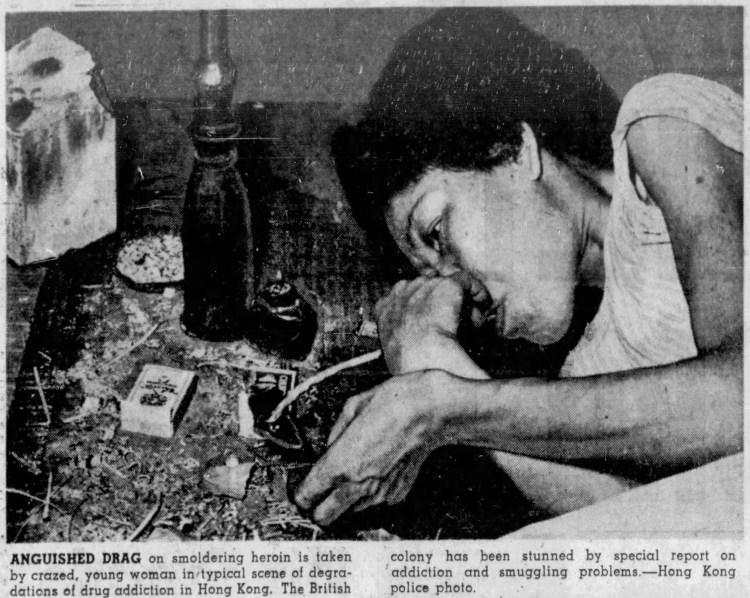
to take heroin by heating it and inhaling the fumes, which form a pattern resembling the tail of a dragon—originated in Hong Kong in the 1950s as a translation of Cantonese slang ‘chui lung’, ‘dragon chasing’
Read MoreUK, 1836—a person, country, etc., that appears powerful or threatening but is actually weak or ineffective—from Chinese ‘zhǐlǎohǔ’ (‘zhǐ’, paper, ‘lǎohǔ’, tiger)—used in the post-war years by the Chinese Communist Party of the USA and other reactionaries
Read More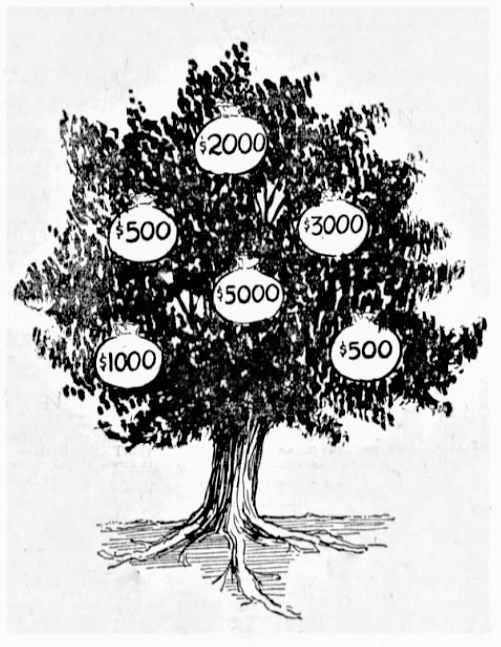
‘money tree’ (UK, 1749): a source of easily obtained or unlimited money—‘to shake the money tree’ (UK, 1851)—related to proverb ‘money does not grow on trees’
Read MoreUSA, 1893—a negligible likelihood—might refer to the fact that the Chinese had little prospect of obtaining reparations for racial discrimination
Read More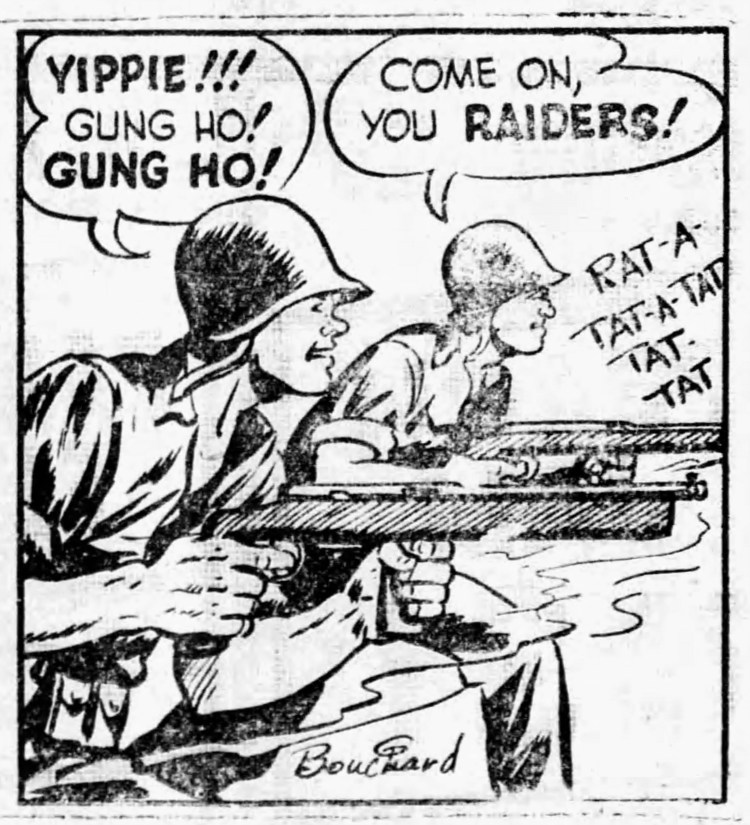
from Chinese ‘gōnghé’, short for ‘Zhōngguó Gōngyè Hézuò Shè’ (Chinese Industrial Cooperative Society)—interpreted as a slogan meaning ‘work together’ (USA, 1941)—adopted by Evans F. Carlson, commander of the 2nd Marine Raider Battalion (1942)
Read MoreFrom Japanese ‘taikun’, ‘tycoon’ was originally the title by which the shogun of Japan was described to foreigners. The current sense originated in the Japanese Embassy to the United States in 1860, not from the use of ‘tycoon’ as a nickname of Abraham Lincoln.
Read MoreThe colloquial phrase ‘long time no see’, which first appeared in the USA in the 1890s, is used as a greeting meaning ‘it is a long time since we last saw each other’. It originated in Chinese Pidgin English, after Chinese ‘hǎojiǔ bú jiàn’, or ‘hǎojĭu méi jiàn’.
Read More word histories