‘gunpowder tea’: meaning and origin
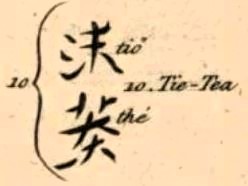
a fine kind of green tea, each leaf of which is rolled up into a pellet—UK, 1767—refers to the resemblance of the pellets to granules of gunpowder
Read More
“ad fontes!”
a fine kind of green tea, each leaf of which is rolled up into a pellet—UK, 1767—refers to the resemblance of the pellets to granules of gunpowder
Read MoreIreland, 1891—used in negative contexts to denote rejection, especially in ‘not for all the tea in China’, meaning ‘not in any circumstances’—refers to China as a major producer of tea, and to tea as a commodity of great value
Read Moreto undertake a dangerous or hazardous operation or activity—UK, 1867, as ‘to tickle the dragon’s nose’—‘to tickle the dragon’s tail’ was used of a nuclear experiment at Los Alamos during WWII
Read Morethe political, military or economical threat regarded as being posed by certain peoples of South-East and East Asia, especially the Chinese and the Japanese—UK, 1895—loan translation from French ‘péril jaune’
Read MoreChina, 1849—extortion—from ‘squeeze’, denoting a forced exaction or impost made by a Chinese official or servant, and ‘pidgin’ in its original sense of business
Read More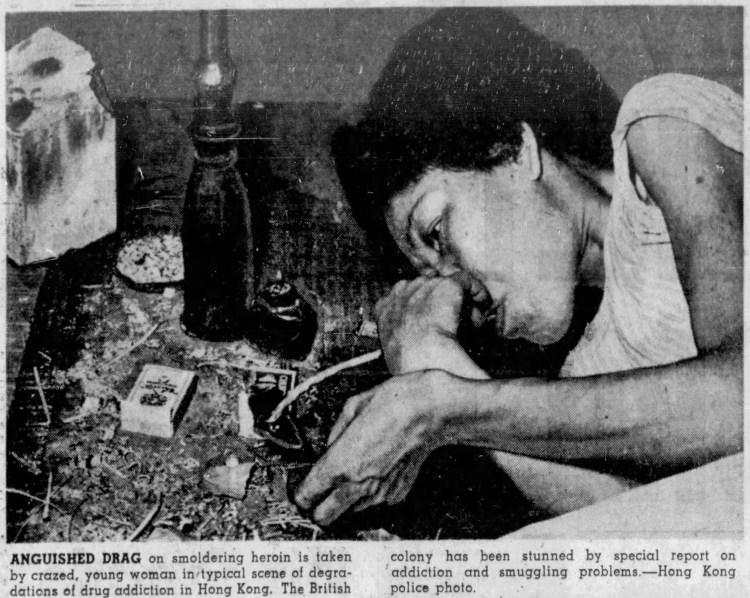
to take heroin by heating it and inhaling the fumes, which form a pattern resembling the tail of a dragon—originated in Hong Kong in the 1950s as a translation of Cantonese slang ‘chui lung’, ‘dragon chasing’
Read MoreUK, 1836—a person, country, etc., that appears powerful or threatening but is actually weak or ineffective—from Chinese ‘zhǐlǎohǔ’ (‘zhǐ’, paper, ‘lǎohǔ’, tiger)—used in the post-war years by the Chinese Communist Party of the USA and other reactionaries
Read More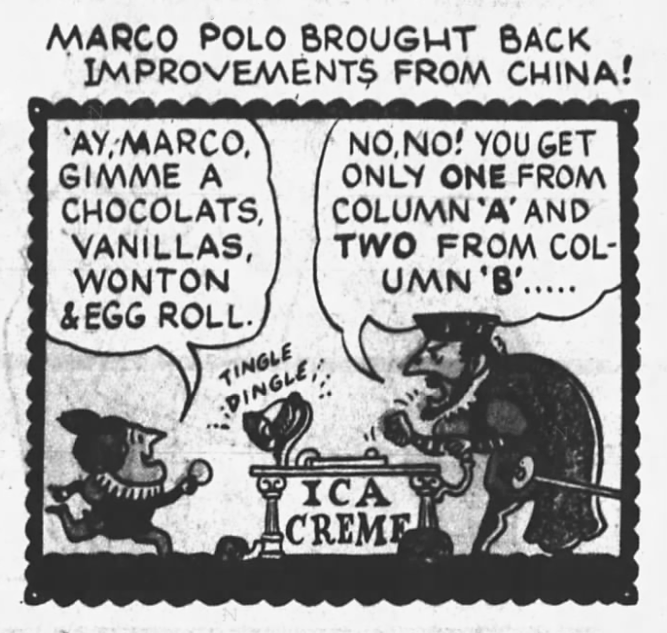
alludes to the menus in Chinese restaurants, which list the dishes in two columns, column A and column B—USA, 1956—first in reference to comedian Buddy Hackett’s routine on a Chinese waiter taking an order
Read More word histories