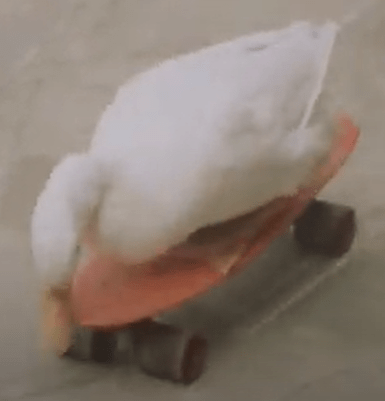
UK—a trifling, whimsical news item, especially one that is used as a light-note ending to a television or radio news broadcast—from a short film about a pet duck, first broadcast on the BBC on 24 May 1978
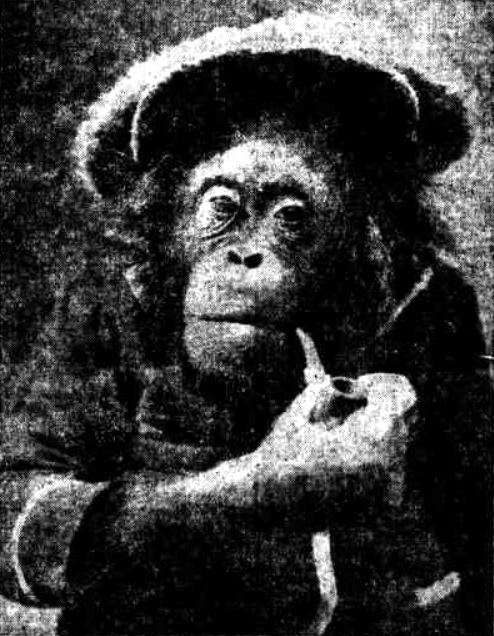
rhyming slang for ‘drunk’—Australia, 1952—may have originally alluded to ‘Molly the Monk’, the name given in Australia to various primates kept in captivity or used for entertainment
Australia, 1888—to stir up controversy; to liven things up—also ‘to rouse the possum’ (Australia, 1898)—this phrase probably developed as the obverse of ‘to play possum’
‘extremely poor’—USA, 1817—humorous variant of ‘(as) poor as Job’, from the name of the eponymous protagonist of a book of the Old Testament, taken as the type of extreme poverty
USA, 1808—an irritation in the throat suggestive of an obstruction, producing a temporary croakiness or hoarseness—occasionally associated with the French, probably because ‘frog’ is derogatorily applied to them
UK—a ball game for three players, in which the middle player tries to intercept the ball as it passes between the other two—hence: a person, party, etc., caught between others in a conflict, dispute, etc.
has been colloquially used to express a great variety of notions, in particular ugliness and madness, but also unpleasantness, unpredictableness, agitation, disturbance, etc.