The phrase ‘all behind, like a cow’s tail’ and its variants mean ‘left behind’ and ‘late in accomplishing a task’. They appeared in print in the mid-19th century in the USA, Australia and Britain.
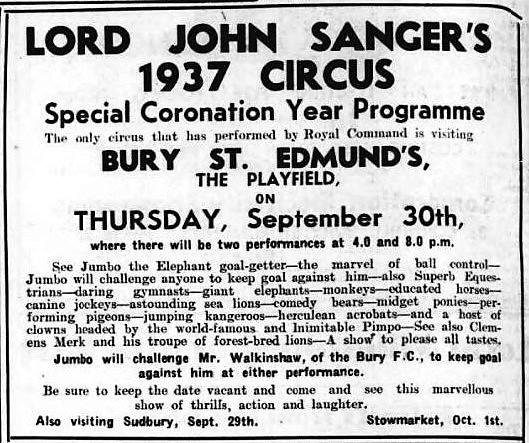
UK, 1937, colloquial—‘to have done something more than oneself (or someone else) has had hot dinners’: used jocularly to emphasise the subject’s wide experience of a particular activity or phenomenon
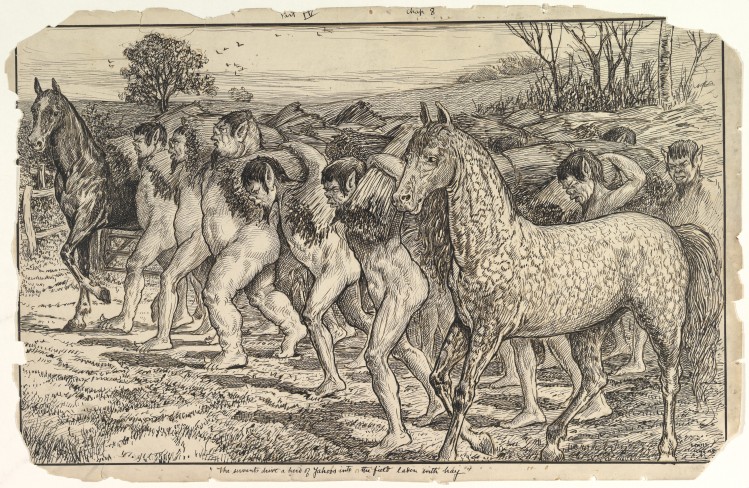
‘yahoo’: rude, noisy or violent person—word invented by Jonathan Swift (1667-1745) as the name of a race of brutish creatures resembling men in Gulliver’s Travels (1726)—came to be applied to the orang-utan
‘to take the Fifth’: to decline to reveal one’s own secrets—from ‘to take the Fifth Amendment’: to appeal to Article V of the original amendments to the U.S. Constitution, which states that “No person […] shall be compelled in any criminal case to be a witness against himself.”
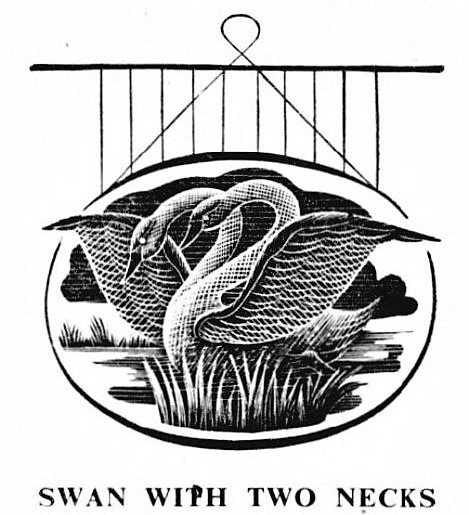
Alteration of ‘the Swan with Two Nicks’—All the Thames swans belong to the Crown, the Vintners’ Company or the Dyers’ Company. A swan with two nicks belongs to the Vintners’ Company, with one nick to the Dyers’ Company, with no nicks to the Crown.
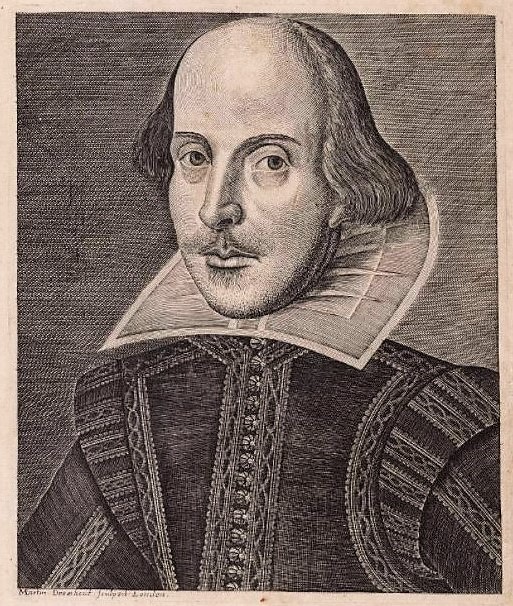
an epithet for William Shakespeare, born at Stratford-upon-Avon, on the River Avon—first used by Ben Jonson in the earliest collected edition (1623) of Shakespeare’s plays—but this use of ‘swan’ for a bard, a poet, is rooted in a tradition going back to antiquity
U.S., 1876—‘bulldozers’: members or supporters of the Democratic Party who used threats and acts of violence in order to prevent Afro-Americans from voting for Republican candidates
The name ‘Quorn’ was first registered as a trademark—for certain edible products other than meat substitutes—by the Quorn Specialities Company of Leicester, England, in 1914. The meat substitute was subsequently developed by the successors of this company.
mi-17th century—probably from ‘hand in (the) cap’, used of a sort of game in which players put forfeit money in a cap and then drew from it—later applied to a race between two horses (the better of which carried extra weight), arranged by such rules
Old English ‘werewulf’ (first element identified with Old English ‘wer’, ‘man’) first used for ‘wolf’ to denote a person serving Satan (cf. Gospel of Matthew “Beware of false prophets, who come to you in sheep’s clothing, but inwardly they are ferocious wolves”)


 word histories