‘lion’: a person of note or celebrity who is much sought after—from ‘lions’: things of note, celebrity, or curiosity in a town, etc.—from the practice of taking visitors to see the lions which used to be kept in the Tower of London
‘the lion’s share’ (UK, 1790)—calque of French ‘le partage du lion’ (now ‘la part du lion’)—from ‘The Heifer, the She-Goat, and the Ewe, in partnership with the Lion’, a fable by Jean de La Fontaine (1621-95)
meaning: ‘thoroughly dejected or disappointed’—appeared (1973) in Tyne and Wear (north-eastern England)—originated apparently in football parlance, in which it soon became a cliché
UK, 1857—characterised by savage violence or merciless competition—from Alfred Tennyson’s poem ‘In Memoriam’ (1850), in which ‘red in tooth and claw’ refers to Nature’s brutality
UK, 1835—mischievous or deceitful behaviour—alludes to the proverbial playfulness of monkeys—probably modelled on Bengali ‘bãdrāmi’; cf. modern Sanskrit ‘vānara-karman’, from ‘vānara’ (monkey) and ‘karman’ (action, work, employment)
USA, 1914—‘ailurophile’: a cat lover—‘ailurophobe’: opposite sense—based on ancient Greek ‘aílouros’, ‘cat’, perhaps from ‘aiόlos’, ‘swift’, and ‘ourá’, ‘tail’, the cat being perhaps so called on account of the swift movement to and fro of its tail
UK, 1831—to startle or upset a sedate or conventionally-minded community—most probably from the following lines in The Tragedy of Coriolanus (circa 1607), by William Shakespeare: “like an eagle in a dove-cote, I | Flutter’d your Volscians in Corioli”
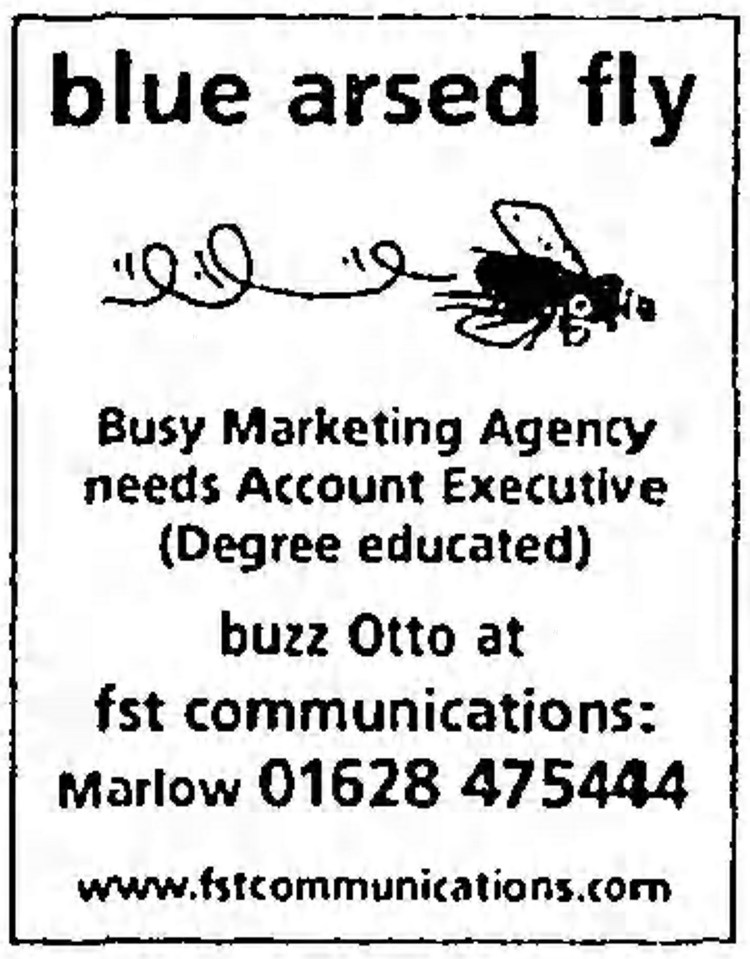
British English, armed forces, 1936—With reference to the bluebottle fly, the colloquial phrase ‘like a blue-arsed fly’ is used to describe someone engaged in constant, frantic activity or movement.
USA, 1930—‘to crawl, or to come, out of the woodwork’: of an unpleasant or unwelcome person or thing, to come out of hiding, to emerge from obscurity; the image is of vermin or insects crawling out of crevices or other hidden places in a building
U.S., second half 19th century—from the story (1850) of a man who, having declared that he could eat anything, was challenged to eat crow; the crow he had to eat was seasoned with snuff, so that the man gave up after one bite, saying “I can eat crow, but I’ll be darned if I hanker after it.”

 word histories