Australia, 1834—used in various phrases, in particular as a type of someone or something in a very bad state or condition—also in the phrase ‘all behind like Barney’s bull’, meaning ‘very delayed’ or ‘backward’—origin unknown
Australia, 1972—a jocular curse—the Australian National Dictionary Centre explains that this phrase “recalls an earlier time when many Australians kept chooks (domestic chickens) in the backyard and the dunny was a separate outhouse”
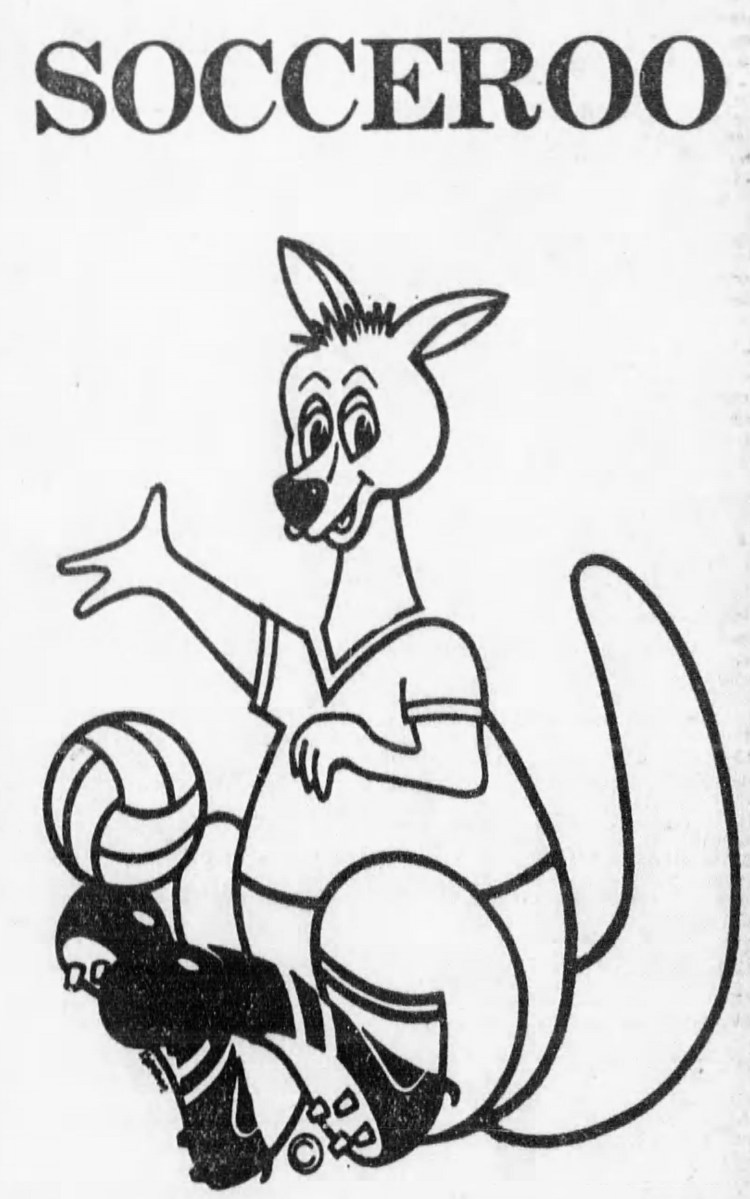
(plural) the Australian men’s national soccer team; (singular) a member of this team—originated in 1972 as the name of the mascot of the Australian men’s national soccer team, created for the 1974 FIFA World Cup
to vomit, especially from drunkenness—slang, obsolete—1609 as ‘to jerk the cat’—perhaps alludes to the fact that cats are prone to vomit—cf. also the obsolete French verb ‘renarder’, to vomit, from the noun ‘renard’, denoting a fox
used of a person who is incapable of organising the simplest event, task, etc.—Australian politics, 1945, as a comment on Robert Gordon Menzies, generally ascribed to William Morris Hughes
out of one’s mind, extremely annoyed—Australia, 1900; New Zealand, 1907—originally as ‘(as) mad as a snake’, ‘(as) mad as snakes’ and variants—later as ‘(as) mad as a cut snake’
Australia, 1954—derogatory nickname for the metal eagle at the top of the Australian-American Memorial in Canberra—alludes to the fact that, from a distance, the eagle’s upswept wings look like a rabbit’s ears
Australia, 1878—a knockout blow; anything of exceptional size or force—allegedly alludes to a boxer called Dinny Hayes—but no evidence supports this allegation
1942—an arena of fierce or ruthless rivalry—borrowed from French: literally ‘basket of crabs’—the image is of crabs fighting, if not devouring one another, when kept in a basket
Australia, 1930—when used negatively, means ‘far away from’; when used affirmatively, means ‘not too far away from’—refers to the fact that a roaring bull can be heard over a great distance


 word histories