USA 1920: ‘to have the brains of a goldfish’ (to have limited intelligence)—USA, 1958: ‘to have the memory of a goldfish’ (to be unable to retain information or memories for any significant length of time)
USA, 1977—petroleum, and any liquid derived from petroleum used in a vehicle powered by an internal-combustion engine—perhaps from popular association of ‘dinosaur’ with ‘fossil fuel’
British, dialectal, 1828: the break of day, i.e., the dawn chorus, with humorous allusion to a small passerine breaking wind—later also: an insignificant person or thing
‘stop talking (and get to the heart of the matter)’—UK, 1878—said to have been coined by circus proprietor Andrew Ducrow when apostrophising equestrian performers
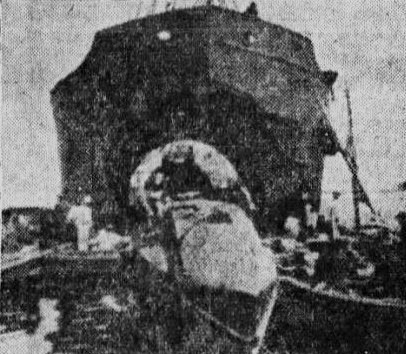
1910s—a ship designed to carry submarines—likens the submarines carried in such ships to the immature young nursed in the abdominal pouch of female kangaroos
nonsense, rubbish—USA, first decade of the 20th century—probably a euphemism for the noun ‘bullshit’, with the noun ‘dust’ used in the sense of ‘rubbish’, ‘garbage’
literally (1845): an enclosure in which calves are isolated from their mothers until weaned—figuratively, humorously and offensively (1885): a girls’ boarding-school—similar to the use of ‘cow’ to derogatorily designate a girl or woman

 word histories