USA, 1929: to force someone into a situation from which it is not easy to escape—the image is of someone who is painting a floor and ends up in a corner of the room with wet paint all around them (USA, 1913)
to set someone thinking very hard or seriously, to give someone much food for thought—UK, 1889—loan translation from French ‘donner furieusement à penser’
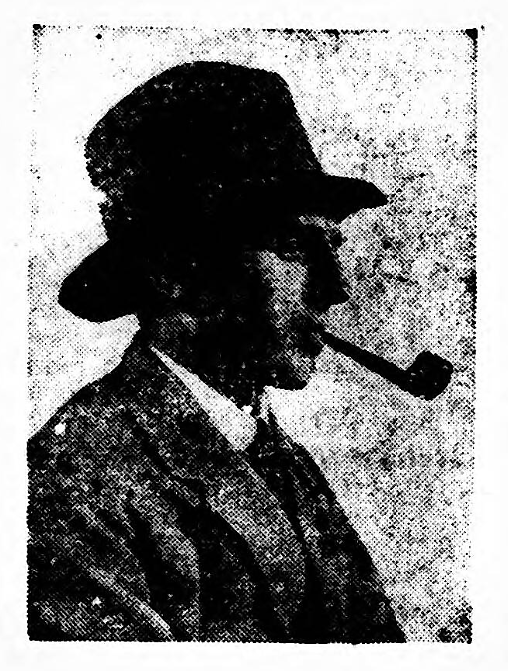
1927—a mystery man The Westminster Gazette’s readers were challenged to identify in order to claim prize money—‘Lobby Lud’: the Gazette’s telegraphic address
James Crichton of Clunie (circa 1560-1582) was a Scottish prodigy of intellectual and knightly accomplishments, and the epithet admirable became traditionally applied to him. The Scottish scholar John Johnston (circa 1565-1611) used the Latin adjective admirabilis in Heroes ex omni historia Scotica lectissimi (1603), a collection of biographies and eulogies in elegiac couplets of great […]


 word histories