USA—1941 (slang of the Marines): a state of disorder or confusion—1959 (High-School slang): a prank in which the occupants of a vehicle which has temporarily come to a stop must jump out, run around the vehicle and get back in
to promote somebody to an ostensibly higher position where they will be out of the way and less influential—jocular variant of ‘to kick somebody downstairs’, meaning to eject somebody
a social occasion where the host gets drunk at an earlier time than the guests—1682?—one of several expressions in which the adjective ‘Dutch’ is used derogatorily or derisively
USA, 1920—a system devised by the Red Cross Life Saving Corps for Boy Scout camps, whereby the boys were paired off, each boy in a pair staying with the other throughout a swimming period and taking responsibility for the other’s safety
in reference to a group of people: a self-centred attitude (corresponding to ‘egotism’ in an individual)—UK, 1819—from the Latin pronoun of the first person plural ‘nōs’ and the suffix ‘‑ism’ (after ‘egotism’)
USA, 1950, as ‘shopping-bag stuffer’—an advertising leaflet or similar piece of promotional material handed out to shoppers or placed in shopping bags alongside goods purchased
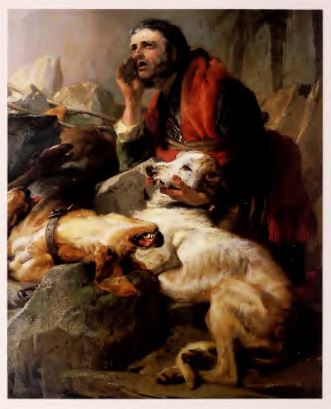
an assertion of continuing competence, strength, etc., notwithstanding evidence to the contrary—from the title of a painting by the British artist Edwin Landseer, first exhibited in 1838

 word histories