‘femiphobia’ (USA) 1907—‘feminophobia’ (UK) 1914—an irrational fear or dislike of women—from Latin ‘fēmina’ (woman) and combining form ‘-phobia’—probably each coined on various occasions by different persons, independently from each other
1932—coined after ‘croque-monsieur’—a toasted or fried sandwich filled with ham and cheese and topped with a poached or fried egg—but originally denoted any of various types of toasted or fried sandwich
[Preliminary note: All the biblical quotations in English are from the New International Version (2011).] Le Notre-Père, the French version of the Lord’s Prayer, was revised in La Bible : Traduction officielle liturgique (Paris: Éditions Mame, 2013), the official liturgical translation of the Bible. French-speaking Catholics used to say: Et ne nous soumets pas à la […]
meaning: ‘extremely tired’—origin (Lancashire, England, 1859): from the noun ‘pow’, variant of ‘poll’, denoting ‘a person’s head’, and the adjective ‘fagged’, meaning ‘extremely tired’
designates an Englishman—originated among the French, from the fact that they regarded the exclamation ‘God damn’ as characteristic of the English—the Middle-French synonym ‘godon’ may be etymologically unrelated
Australia—meaning: (as a verb) to rest or spend time in an aimless, idle way; (as a noun) an instance or period of resting—origin: Army slang, Second World War, from the notion of lying on one’s back
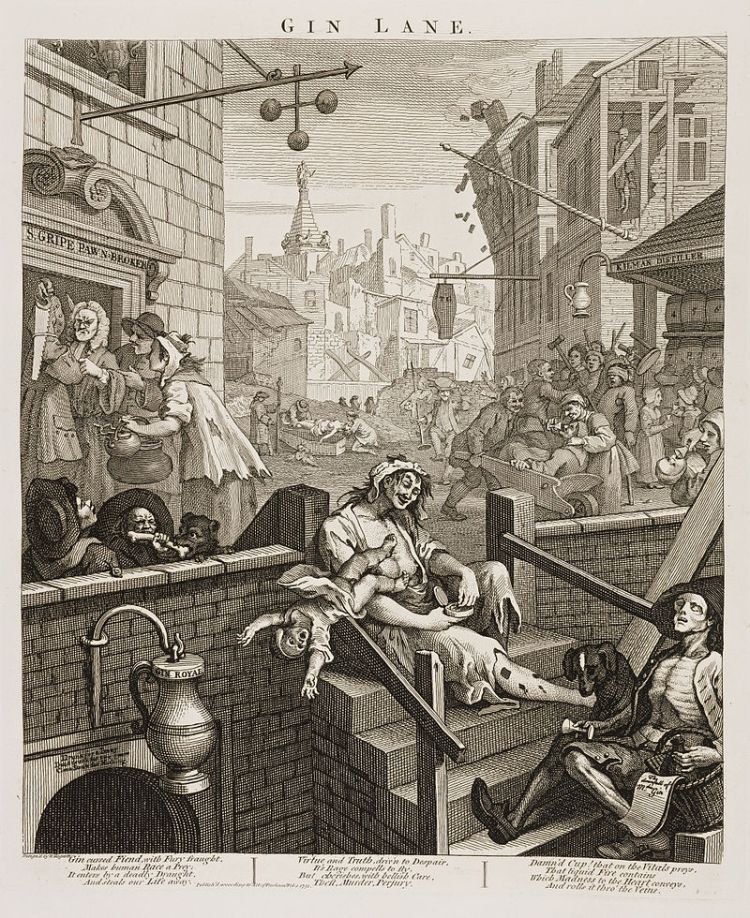
UK, 1904—denotes gin (i.e., a clear alcoholic spirit distilled from grain or malt and flavoured with juniper berries)—‘mother’s ruin’ alludes to the evils caused by the consumption of gin
In reference to the names of various stretches of the Spanish Mediterranean coast which are popular with British holidaymakers, the Spanish noun ‘costa’ is used humorously as the first element in various invented place names.


 word histories