‘garbologist’: original meanings and early occurrences
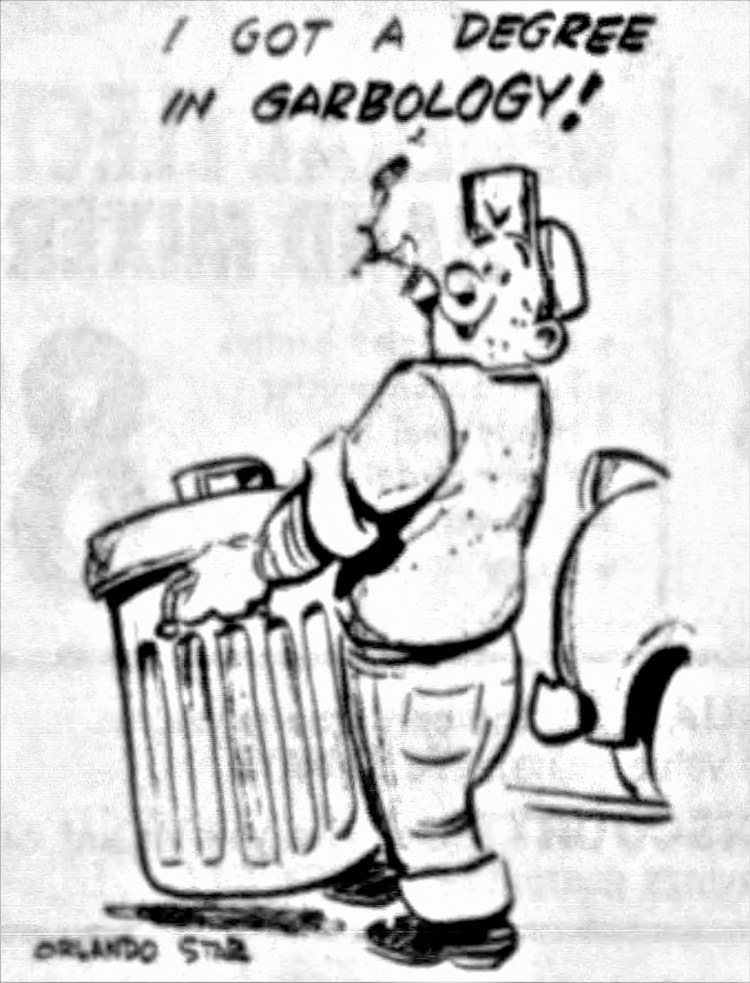
a person whose job is to collect domestic refuse—also, an expert in the treatment of refuse—USA, 1946—from ‘garb-’ in ‘garbage’, and the combining form ‘-ologist’
Read More
“ad fontes!”
a person whose job is to collect domestic refuse—also, an expert in the treatment of refuse—USA, 1946—from ‘garb-’ in ‘garbage’, and the combining form ‘-ologist’
Read MoreUK—the summer of 2022, during which numerous strikes took place—alludes to ‘winter of discontent’, i.e., the winter of 1978-79, during which widespread strikes took place in protest against the government’s wage limits
Read More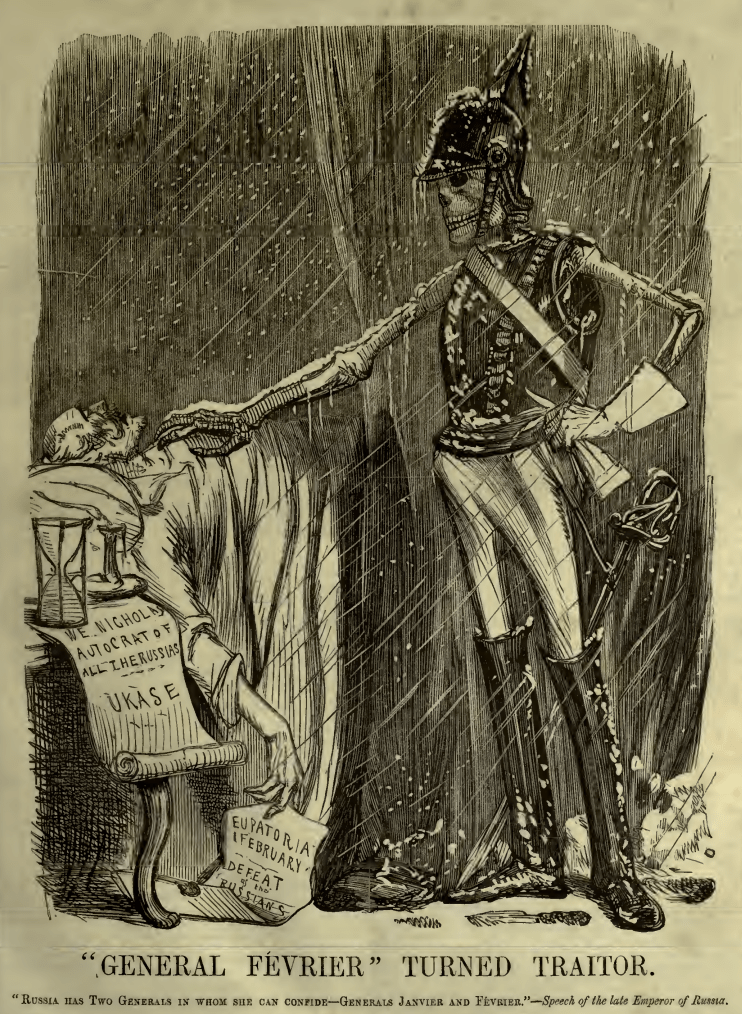
personify January and February as army commanders, especially in reference to winter as detrimental or destructive to a military campaign—apparently coined by Russian Prince Alexander Menshikov in 1855, during the Crimean War
Read Morepersonifies the winter season as an army commander, especially in reference to winter as detrimental or destructive to a military campaign—UK, 1777, in reference to the War of American Independence
Read Morethe state of being romantically infatuated or obsessed with another person—USA, 1975—coined by U.S. psychologist Dorothy Tennov
Read Morefrom ‘the history of the four kings’, punning on ‘the four kings’ (the four playing cards in a pack, each bearing a representation of a king) and ‘the Book of Kings’ (the name of two, formerly four, books of the Old Testament)
Read More18th century—used humorously and ironically to denote old news, usually with the implication that the person whom the speaker is referring to is simply stating the obvious or restating a well-worn or accepted truth
Read MoreUK, 1921—someone who is capable, reliable or trustworthy in the management of a situation—1854: originated in cricket, with reference to skill and reliability in catching a ball—later applied to rugby players (1894) and to goalkeepers in soccer (1899)
Read More
from the image of a speeding explosive projectile—primary meaning (of a motorcar, an aircraft, a motorcycle, an animal, a person): to move very fast—later (also ‘to go down like a bomb’ and ‘to go down a bomb’): to be very successful or popular
Read Morea television programme or cinema film exhibiting qualities of both drama and comedy—USA, 1998—blend of ‘soap (opera)’, or of ‘soaper’, and of ‘comedy’—coined on various occasions by different persons, independently from one another
Read More word histories