a parliamentary question which the respondent knows will be asked, intended to prompt a prepared reply—1934—refers to the question-and-answer column by Dorothy Dix, pseudonym of U.S. journalist Elizabeth Meriwether Gilmer
has been used since September 1978 to denote the winter of 1978-79 in the United Kingdom, during which widespread strikes took place in protest against the then Labour government’s wage limits
UK, 1949—an extra hour added to the end of a prison officer’s working day—from the fact that this extra hour was introduced during WWII by Herbert Stanley Morrison, Secretary of State for Home Affairs and Home Security
The phrase ‘sunlit uplands’ denotes an idealised or longed-for future time of happiness, prosperity, good fortune, etc. Popularised by Winston Churchill in 1940, this phrase has been associated with the bright future that Brexit was supposed to usher in.
a tax levied on an unforeseen or unexpectedly large profit, especially a profit that is considered to be excessive or unfairly obtained—UK, 1909—apparently coined by the British economist Arthur Cecil Pigou
depression suffered by a mother in the period following childbirth—USA, 1940, in Expectant Motherhood, by Nicholson Joseph Eastman—variant: ‘after-the-baby blues’ (USA, 1940)
UK—used by Dominic Cummings, from the fact that Johnson is indecisive and veers all over the place on policy—but first used in 2016 by Johnson to refer to himself—however, the image of the shopping trolley is older in British politics
originally used in 1940 in reference to refuse collection—came to be used in 1970 in reference to the recycling of waste materials—then in 1971 in reference to the practice of looking through the garbage of celebrities
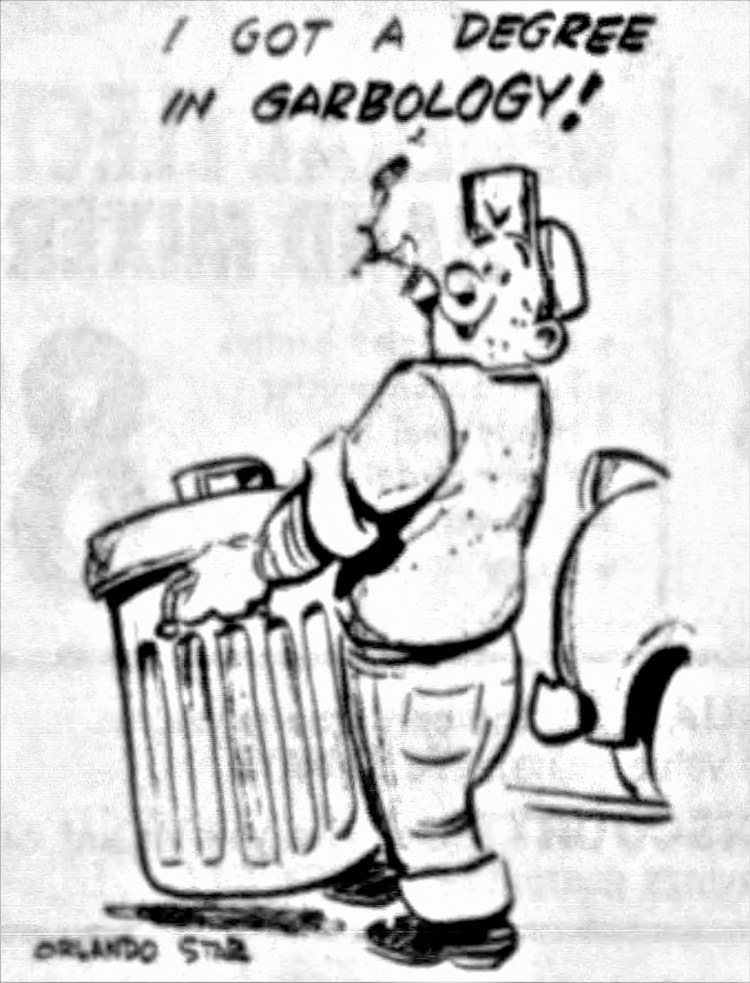
the collection of domestic refuse—USA, 1965—from ‘garb-’ in ‘garbage’, and the combining form ‘-ology’—two oddities: UK, 1914, obscure sense (from ‘garb’, i.e., clothing), and USA, 1944, in the sense of silly terminology



 word histories