‘not to be just a pretty face’: meaning and early occurrences
to have qualities other than mere attractiveness, especially intelligence—UK, 1955—paradoxically, in early use, often employed in a sexist manner
Read More
“ad fontes!”
to have qualities other than mere attractiveness, especially intelligence—UK, 1955—paradoxically, in early use, often employed in a sexist manner
Read Morehumorous—a polite variant of the informal phrase to ‘take the mickey out of’, meaning ‘to tease or ridicule’—UK, 1956
Read MoreAustralia, 1927—alteration of ‘blanc’ in French ‘vin blanc’ (‘white wine’)—via rhyming slang forms such as ‘plinketty-plonk’, from phrases such as ‘vin blank’ in the slang of soldiers stationed in France during WWI
Read Morea woman who had no qualities other than attractiveness, with connotations of low intelligence, or of flightiness, or of low social status and poverty—second half of the 19th century, chiefly in stories by women writers
Read Moretap-water likened to a grand cru—in reference to ‘château’ in names of wines of superior quality—in French ‘Château-la-Pompe’ (i.e. ‘Château-the-Pump’), ‘pompe’ denotes a device for raising water
Read Morewine, especially cheap wine of inferior quality—UK, 1973—from ‘château’ (as used in names of expensive wines of superior quality made at vineyard estates) and ‘plonk’, denoting cheap wine of inferior quality
Read More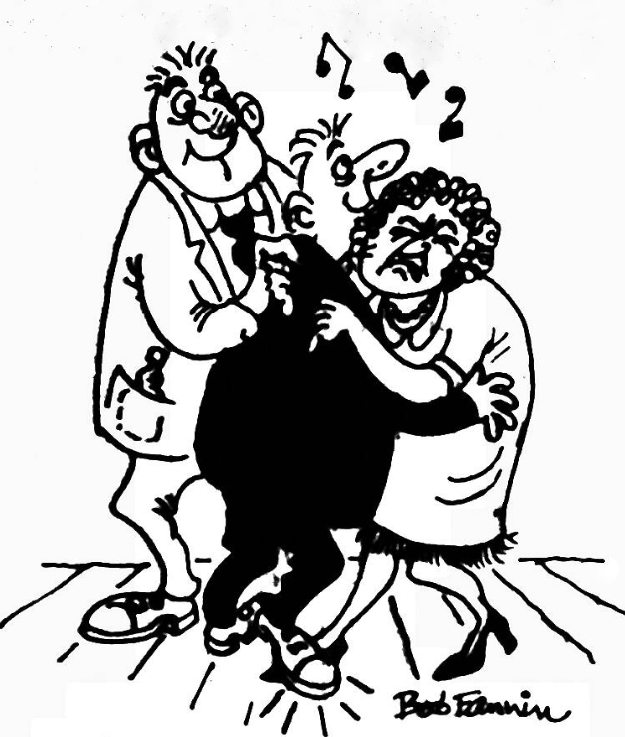
UK and Ireland—a dance in which one may supersede a partner—first recorded in 1923—but the expression ‘excuse-me waltz’ had occurred in 1922
Read MoreParticularly in Australian English, with reference to the phrase ‘not to care a bugger’, meaning ‘not to care at all’, the noun ‘imbuggerance’, also ‘embuggerance’, denotes ‘absolute indifference’.
Read Moreto do everything possible to achieve a result or effect—UK, 1865 (as ‘to pull out a few more stops’)—alludes to pulling out all the stops of an organ in order to produce a full and thrilling sound
Read Moreto die, or to come to grief, in violent or exceptionally unpleasant circumstances—Australia, 1897—here, the adjective ‘sticky’ means ‘unpleasant’
Read More word histories