‘holier-than-thou’: meaning and origin
self-righteously or sanctimoniously virtuous, or professing to be so—UK, 1834—alludes to the Book of Isaiah, 65:5: “Stand by thyself, come not near to me; for I am holier than thou.”
Read More
“ad fontes!”
self-righteously or sanctimoniously virtuous, or professing to be so—UK, 1834—alludes to the Book of Isaiah, 65:5: “Stand by thyself, come not near to me; for I am holier than thou.”
Read Morean occasion on which enjoyment or profit is derived from the suffering or discomfiture of others—UK, 1836—alludes to the description of a gladiator dying in a Roman arena in Childe Harold’s Pilgrimage (1818), by Byron
Read Moreto snore—UK, 1828—this phrase likens a person’s snoring to the sound made by a herd of pigs
Read Moremeaning: if circumstances permit, if all is well—first recorded in 1683—of unknown origin
Read More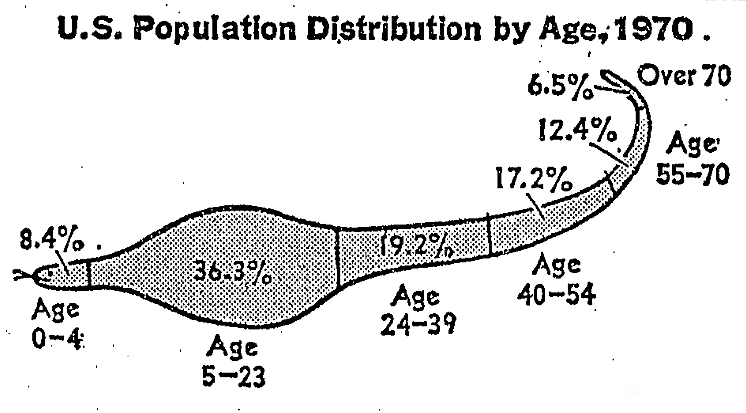
Canada, 1970—the people who were born during the ‘baby boom’ of the years immediately following WWII, considered as a demographic bulge—any short-term increase or notably large group
Read Morethe final four months of the calendar year, i.e., September, October, November and December—UK, 1863—from ‘-ember’ in ‘September’, ‘November’ and ‘December’
Read Morea reader of, or a writer in, The Guardian, seen as being typically left-wing, liberal and politically correct—UK, 1997—The Guardian is a centre-left newspaper published in London and Manchester, England
Read Moresoldiers, especially low-ranking recruits, collectively regarded as expendable in war—UK, 1740—coined by William Shakespeare in Henry IV, Part 1 (1598)
Read Moresoldiers regarded simply as material to be expended in war—‘cannon fodder’ (1847), said to have been coined after German ‘Kanonenfutter’—French ‘chair à canon’ (1814), first used in reference to Napoléon Bonaparte
Read MoreUSA, 2019, derogatory—people (regarded as elitist and pretentious) who are alert to racial or social discrimination and injustice—a blend of the adjective ‘woke’ and of the noun ‘literati’
Read More word histories