‘curtain-twitching’ | ‘curtain-twitcher’
used of a person who likes to observe other people’s activities from his or her window, in a furtive and prying manner—UK and Ireland, 1940
Read More
“ad fontes!”
used of a person who likes to observe other people’s activities from his or her window, in a furtive and prying manner—UK and Ireland, 1940
Read Morelove or affection insincerely professed or displayed as a means of gaining a benefit or advantage—circa 1665—the image is of love given in return for food from a cupboard
Read More
the affected dandyism of the writers, artists, etc., associated with the aesthetic movement, which advocated a doctrine of ‘art for art’s sake’—UK, 1879—coined by George Du Maurier in cartoons published in Punch
Read Morethe political, military or economical threat regarded as being posed by certain peoples of South-East and East Asia, especially the Chinese and the Japanese—UK, 1895—loan translation from French ‘péril jaune’
Read More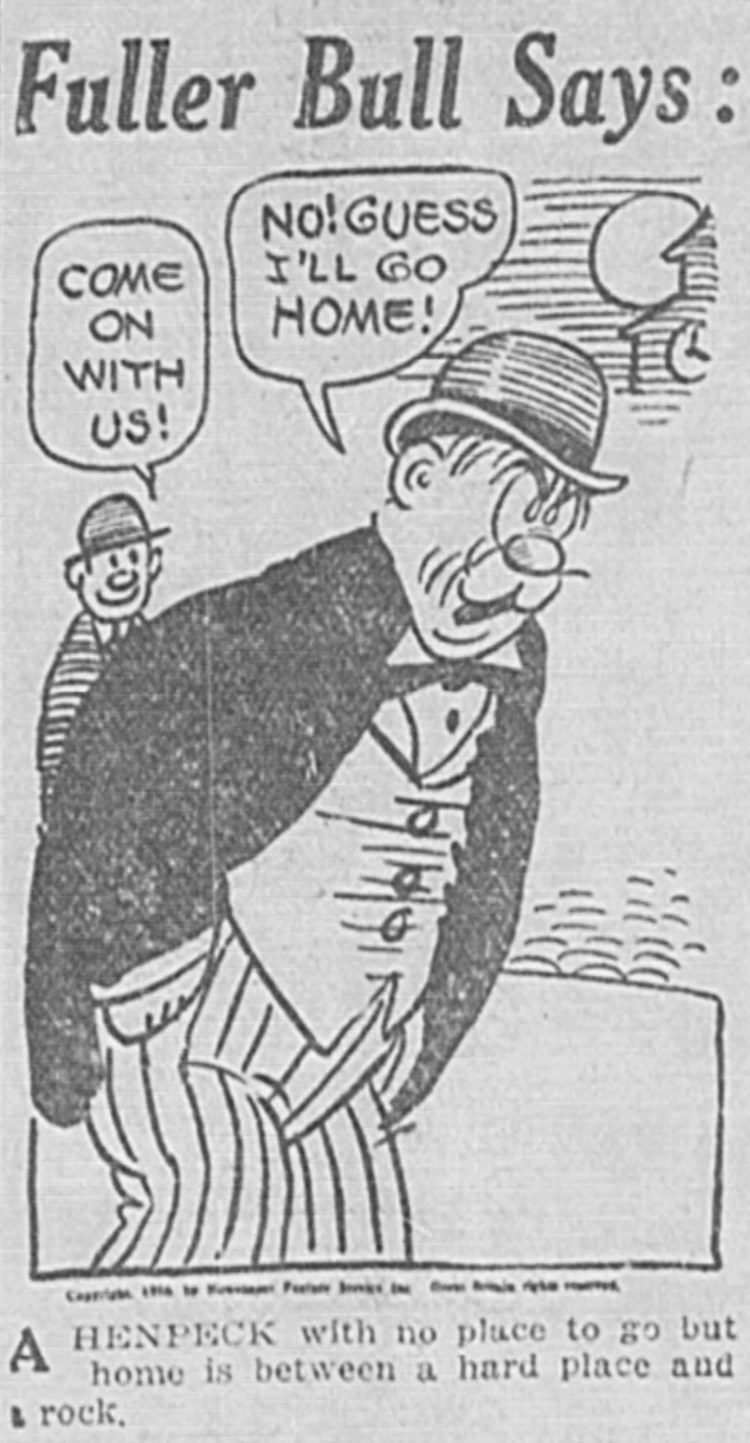
faced with two equally difficult alternatives; in a dilemma—USA, 1914
Read Moreto react with shock or dismay, especially in response to something considered immoral, underhand or vulgar—USA, 1990—from an episode of the sketch-comedy television series In Living Color, broadcast on 15th April 1990
Read Moremeaning: a person cannot be expected to behave in a manner that is not in their character—numerous variants—first recorded in 1731 as ‘If we petition a Hog, what can we expect but a grunt’
Read More(humorous and frequently ironic) determinedly or stubbornly independent—USA, 1841—apparently refers to the extreme helplessness of a hog (i.e., a pig) on the ice
Read Moreself-righteously or sanctimoniously virtuous, or professing to be so—UK, 1834—alludes to the Book of Isaiah, 65:5: “Stand by thyself, come not near to me; for I am holier than thou.”
Read Morean occasion on which enjoyment or profit is derived from the suffering or discomfiture of others—UK, 1836—alludes to the description of a gladiator dying in a Roman arena in Childe Harold’s Pilgrimage (1818), by Byron
Read More word histories