‘wet blanket’: meanings and origin
literally (1618): a blanket dampened with water so as to extinguish a fire—figuratively (1775): a person or thing that has a subduing or inhibiting effect
Read More
“ad fontes!”
literally (1618): a blanket dampened with water so as to extinguish a fire—figuratively (1775): a person or thing that has a subduing or inhibiting effect
Read Moreto draw an obvious inference from available evidence—early 19th century—but ‘two and two make four’, used as as a paradigm of the obvious conclusion, is first recorded in the late 17th century
Read Moreused conversationally to declare, often ironically, that one shares the opinion, sentiment, predicament, etc., of the previous speaker—USA, early 20th century
Read Morereal events and situations are often more remarkable or incredible than those made up in fiction—first occurred as ‘truth is always strange, stranger than fiction’ in Don Juan (1823), by George Gordon Byron
Read Moreto use a lot of swearwords—first used in 1713 by Joseph Addison—alludes to the fact that troopers (i.e., soldiers of low rank in the cavalry) had a reputation for coarse language and behaviour
Read Moreto be caught off-guard; to be surprised in an embarrassing or compromising situation—USA, 1886
Read Morea ruse or stratagem that is still effective although it has been used for a long time—USA, 1929—seems to have originated in sports
Read More1750—the non-academic inhabitants (‘town’) of a university city and the resident members of the university (‘gown’, denoting the distinctive costume of a member of a university)
Read More
alludes to the belief that such a hat or cap protects the wearer from mind control, surveillance or similar types of threat—USA, 1972 as ‘tinfoil-lined hat’
Read More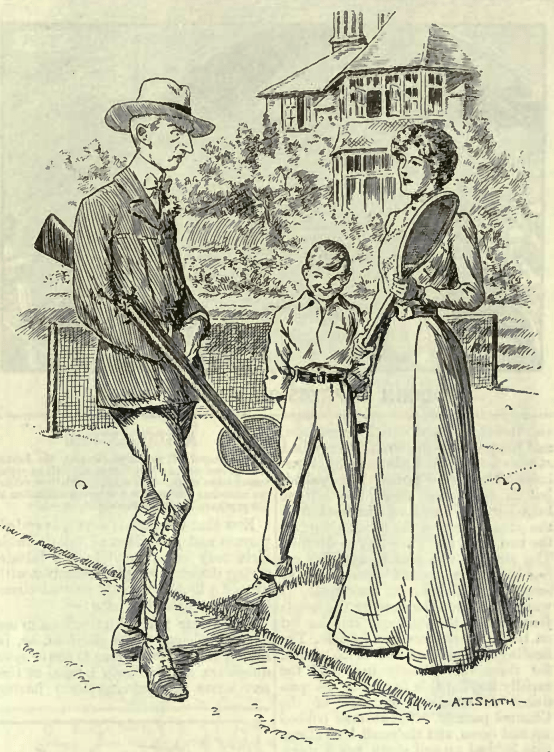
a person or thing that is insignificant or contemptible—1910—originally (1900): a type of small high-velocity shell, with reference to the high-pitched sound of its discharge and flight
Read More word histories