‘Popemobile’: original meaning
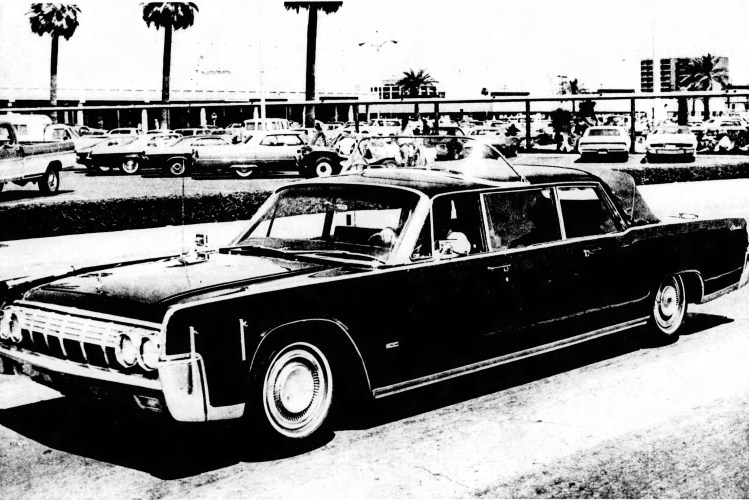
USA, 1969—the 1964 Lincoln Continental specially built and equipped for Pope Paul VI’s 1965 visit to the United States
Read More
“ad fontes!”
USA, 1969—the 1964 Lincoln Continental specially built and equipped for Pope Paul VI’s 1965 visit to the United States
Read MoreUK, 1879—when matters become difficult or serious—of obscure origin—perhaps originally in reference to a music-hall song of that title, interpreted from 1870 onwards by Annie Adams
Read Moreearly 1930s—in an anti-climactic, disappointing way (used of something that comes to an end)—alludes to the last line of The Hollow Men (1925), by T. S. Eliot
Read MoreUK, 1886—those in charge of an organisation, project or initiative lack the fundamental qualities needed to fulfil their responsibilities
Read MoreUSA, 1930—used either literally or of something that should not or cannot be named or mentioned—alludes to ‘The Greeks Had a Word for It’, the title of a 1930 stage play by Zoe Akins
Read Morehumorous variant of ‘one man’s meat is another man’s poison’—Australia, 1872—used in particular of the opposition between flesh-eating and fish-eating in relation to the religious observance of fasting
Read Moreto accept or confront the inevitable, or the unpleasant consequences of one’s actions—USA, 1833—origin uncertain and disputed
Read MoreUK, 1810—tenacious, persistent, obstinate—unwilling to yield, to relent or to let go—unable to set aside a preoccupation or obsession—the image is that a dog with a bone will not let go of that bone, no matter what
Read Morevery cunning—New Zealand, 1908—‘Māori dog’: a dog of Polynesian origin; also any mongrel dog associated with Māori settlements or living in a wild state
Read MoreUSA, 1834—a member of a group, organisation, etc., who is so familiar as to be regarded as a permanent feature, and therefore often taken for granted
Read More word histories