‘wahine toa’: meanings and origin
a brave Māori female warrior; by extension, any strong or brave woman—New Zealand—in Māori, 1873—in English, 1902—from ‘wahine’ (a Māori woman or wife) and ‘toa’ (a brave Māori male warrior)
Read More
“ad fontes!”
a brave Māori female warrior; by extension, any strong or brave woman—New Zealand—in Māori, 1873—in English, 1902—from ‘wahine’ (a Māori woman or wife) and ‘toa’ (a brave Māori male warrior)
Read Moredrunk—Australia, 1983—refers to Bourke Street, one of the main streets in the centre of Melbourne, Victoria—in Australian English, the adjective ‘full’ is used in various phrases referring to drunkenness
Read MoreAustralia, 1952—used of a state of confusion or stupidity—refers to Bourke Street, in Melbourne, Victoria
Read More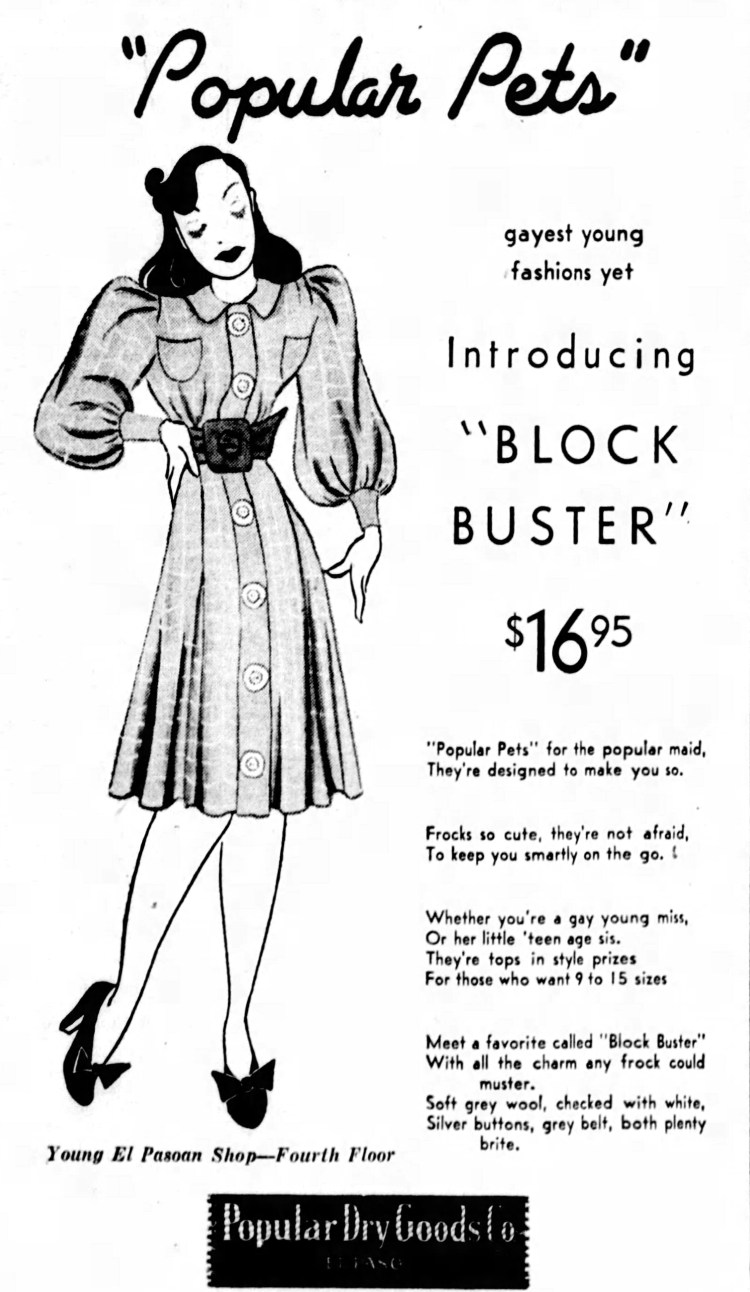
USA, 1942: a large aerial bomb that can destroy a whole block of buildings—USA, 1942: a thing of enormous impact, power or size
Read Moreto become very agitated or angry, especially without warning or adequate reason—USA, 1816—from the image of the head of an axe or other tool becoming detached from its handle
Read Morea wine, or a vintage, produced in a year in which a notable comet appeared, and therefore thought to be of superior quality—UK—‘comet wine’ 1817—‘comet vintage’ 1819
Read More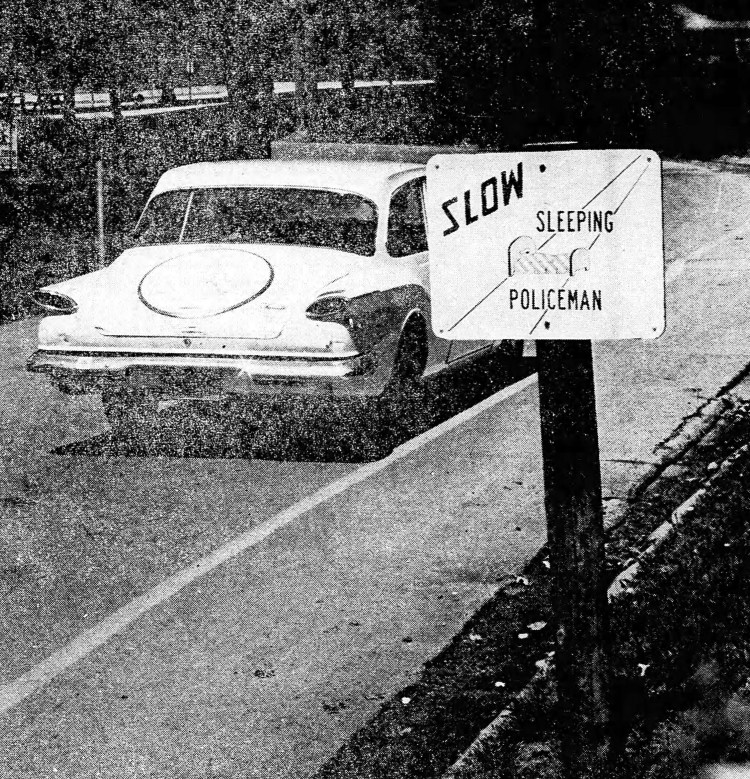
a raised band across a road, designed to make motorists reduce their speed—1961—based on the image of a policeman lying asleep in the middle of a road—in early use often with reference to Jamaica
Read Morea tendency to lose one’s temper easily—USA, 1942—‘fuse’ refers to a device by which an explosive charge is ignited—adjective ‘short-fused’: USA, 1952
Read Morea suspenseful ending to an episode of a serial; the serial itself—USA, early 1930s—originally referred to serials which ended episodes with their protagonists literally hanging from cliffs, or in similarly dangerous situations
Read More‘to snatch victory from the jaws of defeat’: to win a battle, contest, etc., when defeat seemed inevitable—‘to snatch defeat from the jaws of victory’: to be defeated in a battle, contest, etc., when victory seemed inevitable
Read More word histories