‘bring your own booze’ | ‘bring your own bottle’
indicates that a place or event is one to which guests may or should bring their own alcoholic drink—UK, 1858—USA, 1910—in early U.S. use, often referred to the prohibition of alcohol
Read More
“ad fontes!”
indicates that a place or event is one to which guests may or should bring their own alcoholic drink—UK, 1858—USA, 1910—in early U.S. use, often referred to the prohibition of alcohol
Read More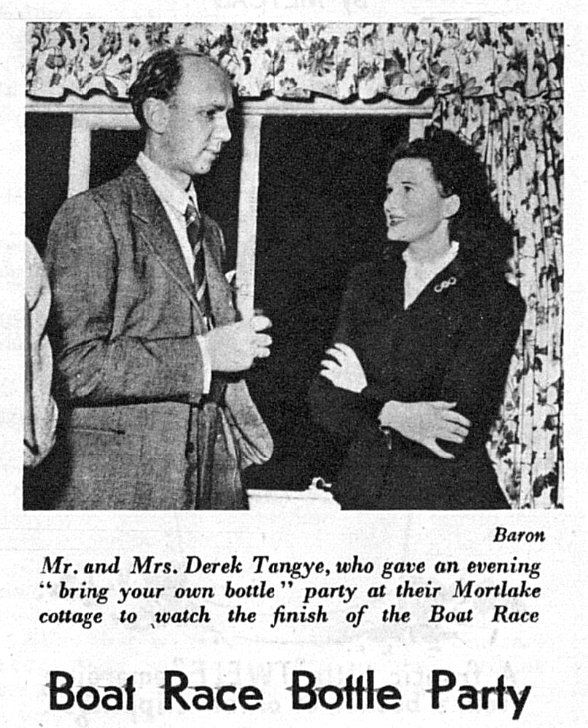
a party to which attendees are encouraged to bring their own drinks, especially alcohol—‘bring-your-own-bottle party’: USA, 1923, in the context of Prohibition—‘bring-a-bottle party’: UK, 1928
Read More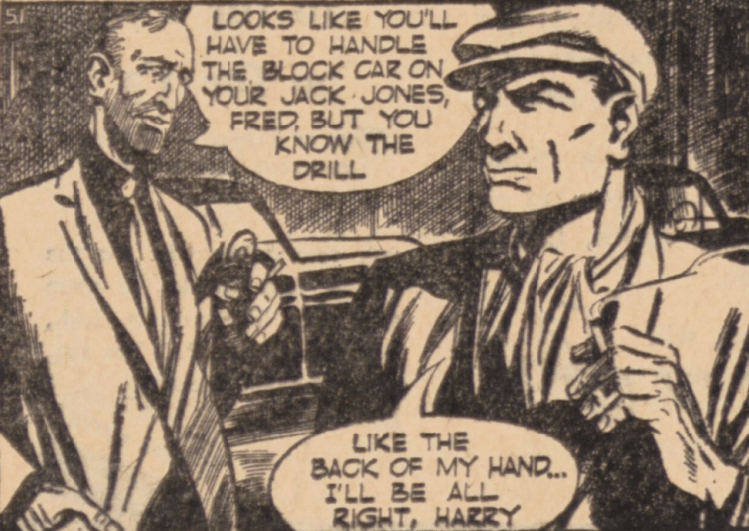
‘on one’s own’—UK, 1926—‘Jack Jones’ is rhyming slang for ‘alone’, or for ‘own’ in ‘on one’s own’
Read MoreAustralia, 1986—used as an assurance that all is fine, or to express one’s agreement or acquiescence—euphemistic alteration, with switching of the initial consonants, of ‘no fucking worries’
Read MoreNew York City, 1896—a lawyer who seeks accident victims as clients and encourages them to sue for damages—refers to lawyers, or their agents, following ambulances taking accident victims to hospital, in order to gain access to those victims
Read Moreto hurry up (1849 in Charles Dickens’s David Copperfield); the image is of a skater gliding rapidly over an ice surface—also, in early use (USA, 1886): to get drunk; the rolling gait of a drunk person is likened to the swaying motion of an ice skater
Read MoreIreland, 1832—particularly associated with Lord Robert Armstrong and the ‘Spycatcher’ trial (1986)—‘economy of truth’ was used in 1796 by Edmund Burke
Read MoreUK, 1992—coined by Alan Clark during the Matrix Churchill trial—variant of ‘to be economical with the truth’, meaning: to deceive people by deliberately not telling them the whole truth about something
Read Moreto be utterly defeated—alludes to the defeat of Napoléon I at the Battle of Waterloo in 1815—UK, 1832, as ‘to meet with a Waterloo’—USA, 1838, as ‘to meet one’s Waterloo’
Read MoreUK, 1894—a love-relationship in which one member of a married couple is involved with a third party—loan translation from French ‘triangle éternel’, coined by Alexandre Dumas fils in L’Homme-Femme (1872), a pamphlet about a wronged husband’s right to take the life of his adulterous wife
Read More word histories