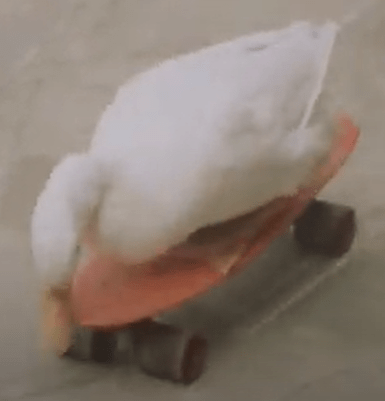
UK—a trifling, whimsical news item, especially one that is used as a light-note ending to a television or radio news broadcast—from a short film about a pet duck, first broadcast on the BBC on 24 May 1978
without pressure from, or partiality to, any person or other external influence—1638, as a translation of French ‘sans crainte et sans respect’ (‘without fear and without respect’)
proprietary name for a soft drink supposed to maintain or restore the body’s alkaline balance—Ireland & UK, 1986—from the Latin nouns ‘aqua’ (water) and ‘libra’ (a balance)
literally: constant variety or interest (originally with reference to theatrical performances; USA, 1879)—ironically: constant variety of troubles, difficulties, etc. (in Three Men in a Boat (1889), by British author Jerome K. Jerome)
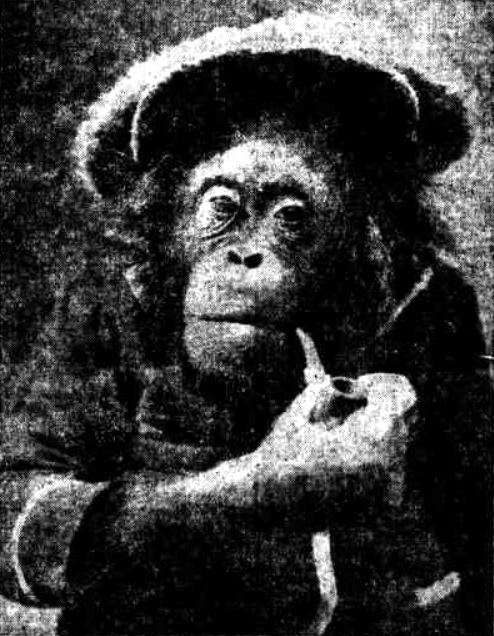
rhyming slang for ‘drunk’—Australia, 1952—may have originally alluded to ‘Molly the Monk’, the name given in Australia to various primates kept in captivity or used for entertainment
a Volkswagen car—USA, 1967—from the pronunciation of ‘VW’ (initialism from the name ‘Volkswagen’)—‘dub’: shortened form of the adjective ‘double’ in ‘double U’
a moment of sudden discovery, inspiration or insight—1918—from the reputed exclamation of Archimedes when he realised that the volume of a solid could be calculated by measuring the water displaced when it was immersed
the longest serving female member of the British House of Commons—1920—originally applied to Nancy Astor, Member of Parliament from 1919 to 1945—coined after ‘Father of the House (of Commons)’
UK, 2001: the defeat of a high-profile Member of Parliament, indicating a significant political change—originally, UK, 1997: the announcement of Michael Portillo’s defeat, seen as emblematic of the Conservative defeat in the general election
Australia, 1943, derogatory—a soldier who does not see active service, especially a reservist—from ‘cut lunch’, denoting a packed lunch, typically consisting of sandwiches


 word histories