‘fish finger’: meanings and early occurrences
UK, 1898—a small oblong piece of filleted or minced fish coated in batter or breadcrumbs, typically fried or grilled—but originally designated various dishes
Read More
“ad fontes!”
UK, 1898—a small oblong piece of filleted or minced fish coated in batter or breadcrumbs, typically fried or grilled—but originally designated various dishes
Read Morevery soon or very quickly—USA, 1836, in a text attributed to Davy Crockett—alludes to the friskiness of lambs
Read More1625—an imminent danger—alludes to Damocles, a courtier of ancient Syracuse, who was given a lesson in the perils to a ruler’s life when forced to sit under a naked sword hanging by a single hair
Read MoreIt has been said that ‘(as) right as a trivet’ an alteration of ‘(as) tight as a rivet’. But the latter phrase, which postdates the former, originally meant ‘extremely tight’, not ‘thoroughly or perfectly right’.
Read Moremania for holding public office—USA, 1829—a borrowing from Spanish ‘empleomanía’, from ‘empleo’ (i.e., ‘employment’) and the suffix ‘‑manía’ (i.e., ‘-mania’)
Read More1974: a person who tries to fit into a particular cultural scene—1970: an actor who performs a minor role in a stage play—from ‘scene’ and the suffix ‘‑ster’, forming agent nouns
Read Morea menagerie of demons—UK, 1848—a blend of the nouns ‘demon’ and ‘menagerie’
Read More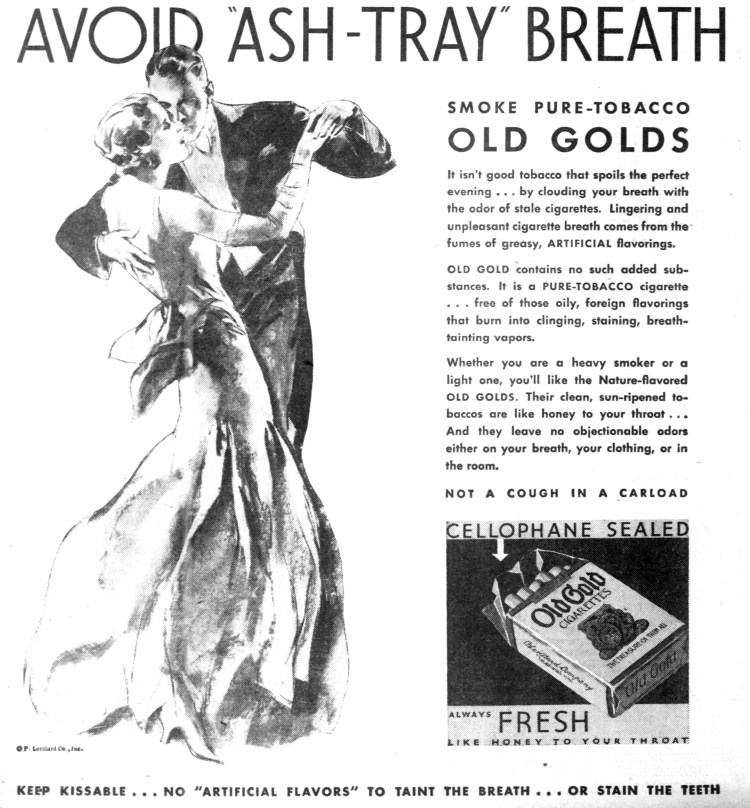
foul-smelling breath caused by smoking—USA, 1931, in advertisements for Old Golds, a U.S. brand of cigarettes
Read More1988, Australia & USA—apathy, indifference or mental exhaustion arising from exposure to too much information—especially stress induced by the attempt to assimilate excessive amounts of information from the media, the Internet or at work
Read MoreUSA, 1969—the action or process of becoming or being made plain, ordinary, uninteresting or insipid—from the adjective ‘bland’ and the suffix ‘‑ification’, forming nouns of action
Read More word histories