‘rabbit punch’: meaning and origin
UK, 1911—a sharp blow to the back of the neck—refers to the practice of killing rabbits in this way, and originated in boxing—Australia, 1913: ‘rabbit killer’, also ‘rabbit-killer punch’
Read More
“ad fontes!”
UK, 1911—a sharp blow to the back of the neck—refers to the practice of killing rabbits in this way, and originated in boxing—Australia, 1913: ‘rabbit killer’, also ‘rabbit-killer punch’
Read Morea person exercising an insidious or corrupting influence, especially over a ruler, government, etc.—UK, 1917—refers to Grigori Efimovich Rasputin (circa 1869-1916), mystic and influential favourite at the court of Tsar Nicholas II
Read More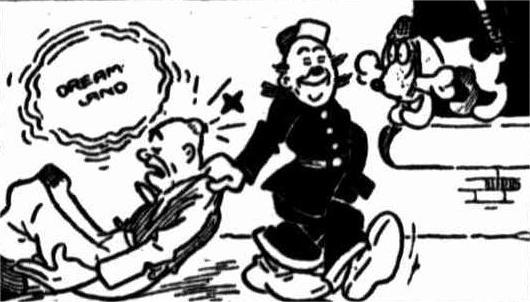
a police station—USA, 1882—here, the noun ‘cop’ designates a police officer and the noun ‘shop’ designates the place where one works
Read Morehaving a large or inexhaustible appetite for words—USA, 1858—coined by the U.S. physician and author Oliver Wendell Holmes (1809-1894)
Read MoreUK, 1923—the north-east corner of Hyde Park, London, near Marble Arch, where public speaking and debate are traditionally permitted with minimal restriction—by extension: any location where public speaking and debate are permitted or encouraged
Read Morewealth gained in one generation of a family will be lost by the third generation—USA, 1874—refers to a hard-working man wearing a shirt with nothing over it
Read Morewealth gained in one generation of a family will be lost by the third generation—UK, 1842, as “there is but one generation in Lancashire between clog and clog”—refers to clogs being typically worn by factory workers
Read Morea term of abuse or disparagement, especially for a man’s wife or female relative—1616 in Epicœne, or The Silent Woman, by Ben Jonson—perhaps in reference to an encumbrance, like a clog (i.e., a heavy piece of wood) tied to a dog
Read More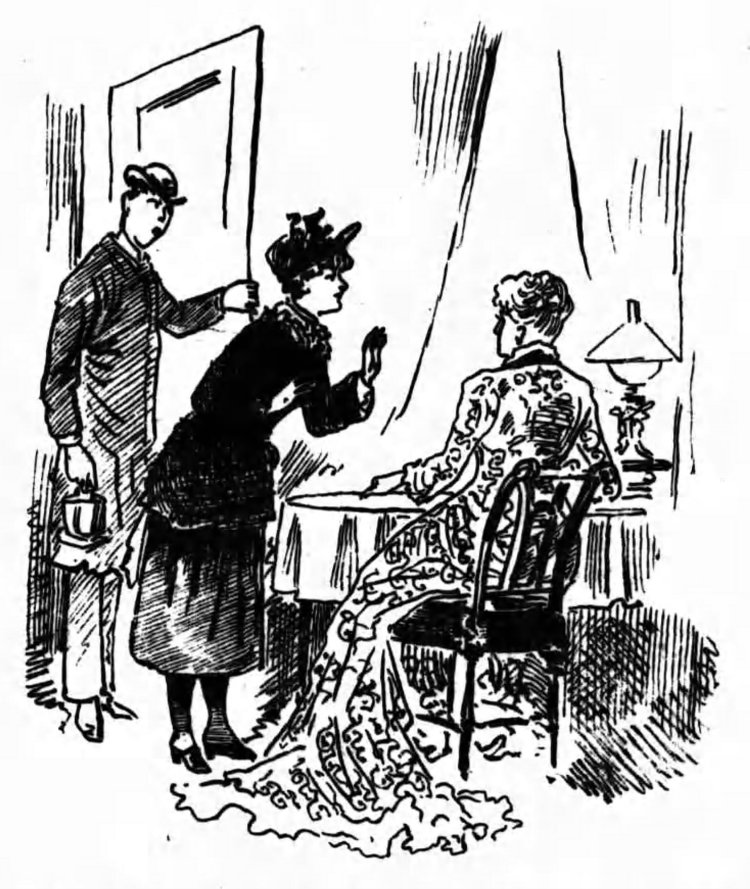
UK, 1869—a mechanised full-size model of a bull, simulating the movement and behaviour of a bull (particularly in a corrida), used in public entertainments
Read More1599—a person with whom one chats, a partner in informal or friendly conversation—now, more specifically: a person with whom one communicates via online chat or messaging
Read More word histories