meaning and origin of ‘the dog’s letter’

Named after Latin ‘canina litera’ (‘the canine letter’), ‘the dog’s letter’ is a name for the letter R, from its resemblance in sound to the snarl of a dog.
Read More
“ad fontes!”
Named after Latin ‘canina litera’ (‘the canine letter’), ‘the dog’s letter’ is a name for the letter R, from its resemblance in sound to the snarl of a dog.
Read More‘madeleine’: originally ‘gâteau à la Madeleine’ (late 18th cent.), perhaps named after French cook Madeleine Paumier – refers also to Swann’s Way, by Proust
Read More‘maudlin’: tearfully sentimental – from the Middle-English name ‘Maudelen’, designating Mary Magdalene, a follower of Jesus, customarily represented as weeping
Read More
Red herring, used in laying trails for hounds to follow, was misunderstood as a deliberate attempt to distract them, hence the figurative use of ‘red herring’.
Read More
origin: USA – 2nd half of the 19th century – from the action of making a small sign of the cross over one’s heart, which sometimes accompanies the words
Read MoreFrom the practice of using hay-baling wire for makeshift repairs, ‘haywire’ came to mean crudely made, improvised, hence disorganised, erratic, crazy.
Read MoreThe pig probably symbolises the unpleasant fact of sweating profusely in the same way as it often represents greed, dirt, etc. in many other derogatory idioms.
Read More‘First catch your hare’ (early 19th cent.): originated in popular humour ascribing this phrase to ‘The Art of Cookery’ (1st published 1747), by Hannah Glasse
Read More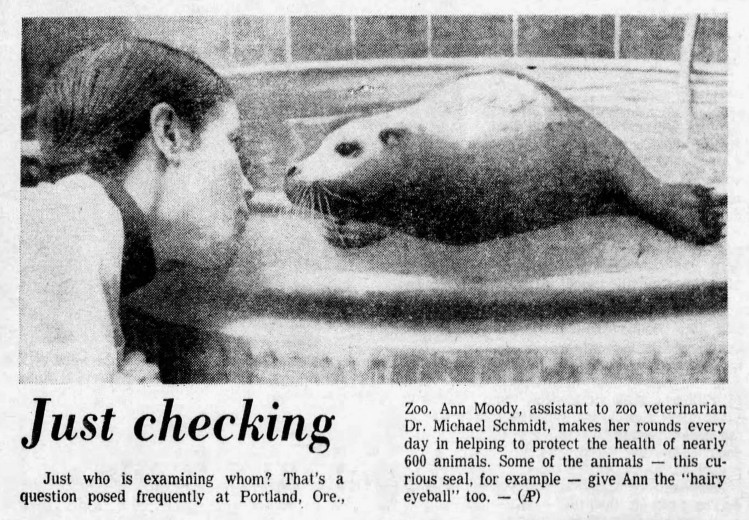
‘hairy eyeball’ (late 20th cent., USA): an intent look—refers either to the eyeballs looking ‘hairy’ when the eyes are narrowed or to batting one’s eyelashes
Read More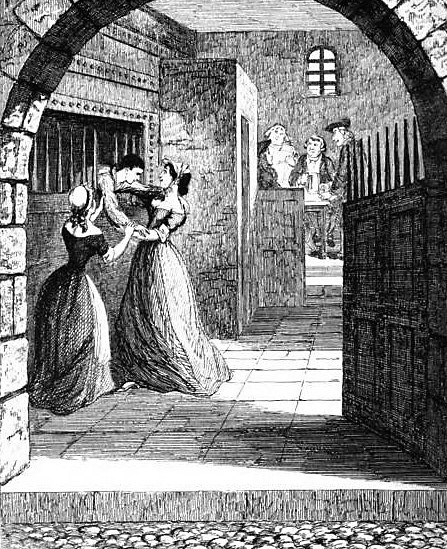
event taking place without the central figure—from an alleged performance of Hamlet in 1775 with the title role left out because the chief actor had fled
Read More word histories