meaning and origin of the phrase ‘a nod is as good as a wink’
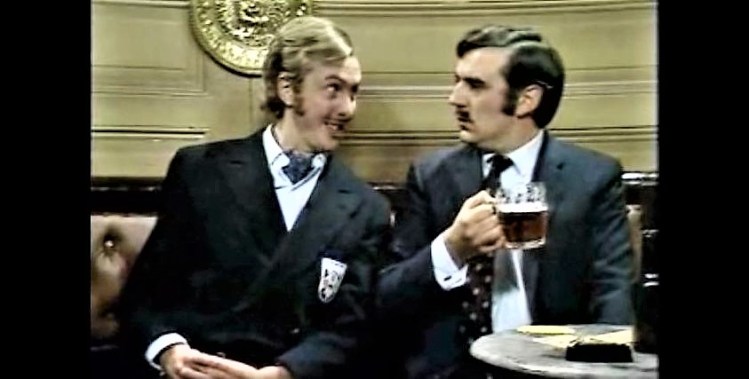
‘a nod’s as good as a wink (to a blind horse)’ 18th century—acknowledges that a hint or suggestion has been understood without the need of further elaboration
Read More
“ad fontes!”
‘a nod’s as good as a wink (to a blind horse)’ 18th century—acknowledges that a hint or suggestion has been understood without the need of further elaboration
Read More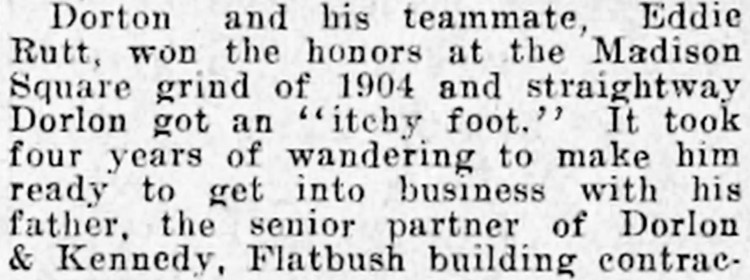
As qualifiers of nouns denoting bodily organs, ‘itchy’ and ‘itching’ denote a restless desire—‘itchy feet’, US, 1900s—‘itching palm’, Shakespeare, circa 1599
Read Moreto return to the matter in hand—from French ‘revenons à nos moutons’ (‘let’s return to our sheep’), allusion to ‘La Farce de Maistre Pierre Pathelin’ (ca 1457)
Read More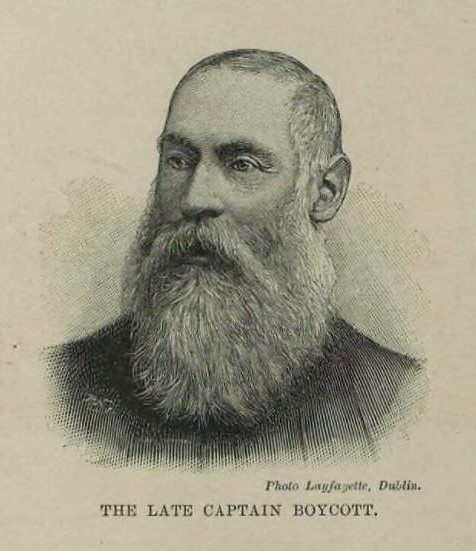
from the name of Captain Charles C. Boycott, land agent in Ireland, who was ostracised for refusing to reduce rents during the Land League agitation in 1880
Read More
from the image of breaking the frozen surface of a river in order to make a passage for boats – probably from Latin ‘scindere glaciem’, in Erasmus’s Adages
Read More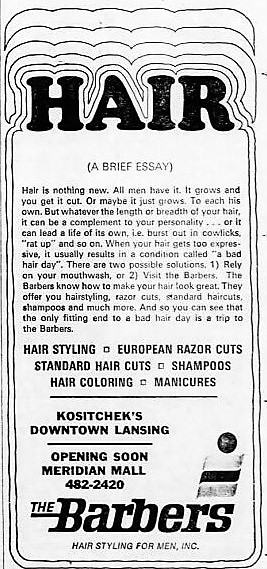
US, 1990s—a day on which one’s hair is unmanageable, hence a day on which everything seems to go wrong, a period of unusual agitation, frustration or uneasiness
Read More
a threat within a community, nation, etc., as distinct from an external enemy—infamously used of British miners’ leaders by Prime Minister Margaret Thatcher in 1984
Read Moreone who changes their principles to suit the circumstances—from a vicar who was twice a Catholic and twice a Protestant from Henry VIII to Elizabeth I’s reigns
Read More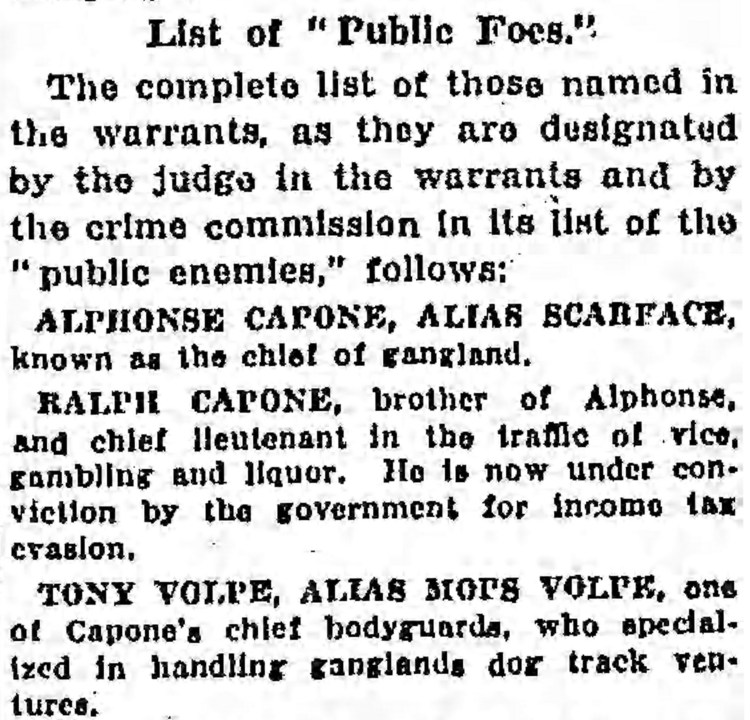
origin: the American gangster Al Capone was number one on the list of 26 ‘public enemies’ drawn up in 1930 by the Chicago crime commission.
Read More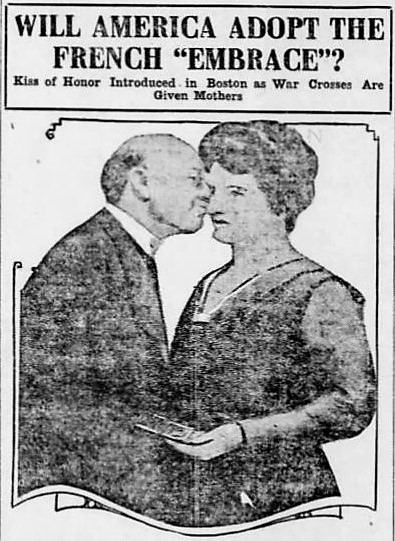
‘French kiss’—19th century: a kiss on both cheeks—early 20th century (USA): a kiss with contact between tongues
Read More word histories