origin of ‘to break the ice’

from the image of breaking the frozen surface of a river in order to make a passage for boats – probably from Latin ‘scindere glaciem’, in Erasmus’s Adages
Read More
“ad fontes!”
from the image of breaking the frozen surface of a river in order to make a passage for boats – probably from Latin ‘scindere glaciem’, in Erasmus’s Adages
Read More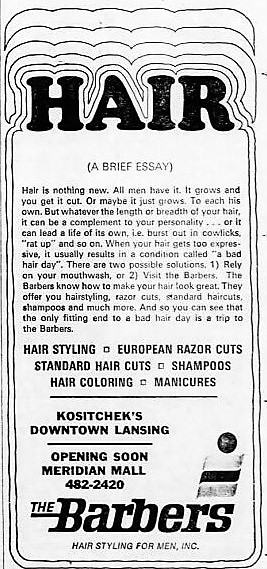
US, 1990s—a day on which one’s hair is unmanageable, hence a day on which everything seems to go wrong, a period of unusual agitation, frustration or uneasiness
Read More
a threat within a community, nation, etc., as distinct from an external enemy—infamously used of British miners’ leaders by Prime Minister Margaret Thatcher in 1984
Read Moreone who changes their principles to suit the circumstances—from a vicar who was twice a Catholic and twice a Protestant from Henry VIII to Elizabeth I’s reigns
Read More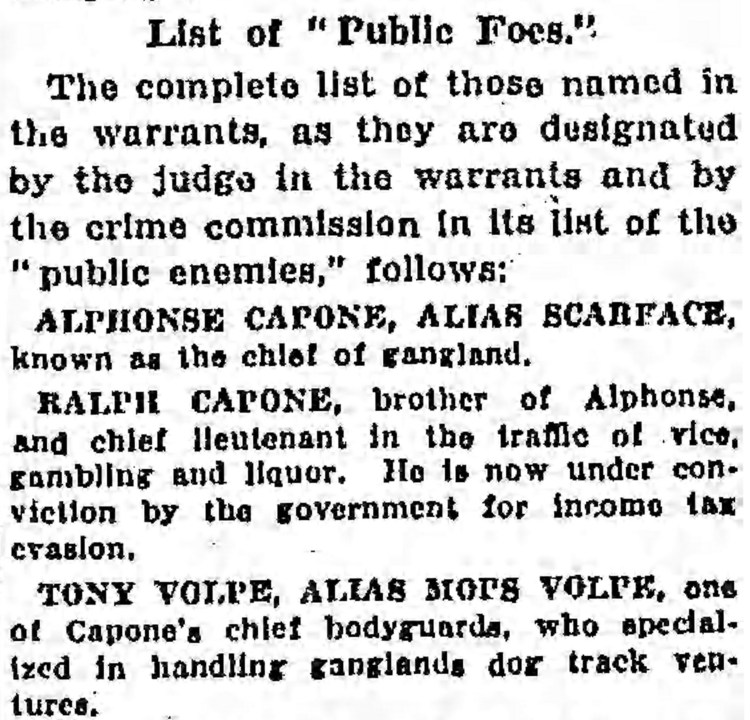
origin: the American gangster Al Capone was number one on the list of 26 ‘public enemies’ drawn up in 1930 by the Chicago crime commission.
Read More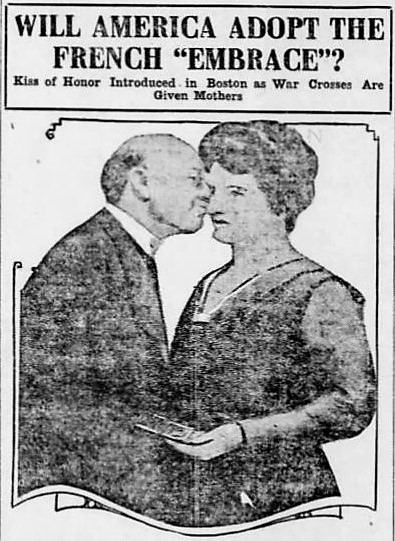
‘French kiss’—19th century: a kiss on both cheeks—early 20th century (USA): a kiss with contact between tongues
Read More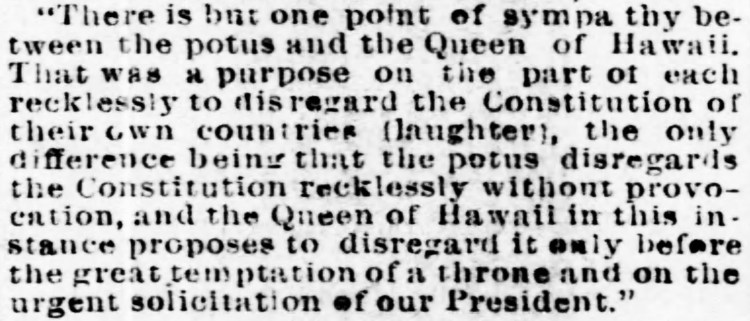
late 19th century—‘POTUS’ was originally an abbreviation used in the Phillips code, a telegraphic code created in 1879 by Walter P. Phillips (1846-1920).
Read More
USA, early 19th century—‘small potatoes’: person or thing considered petty, unimportant, insignificant or worthless
Read More
US, 1830s—a friction match; a radical faction of the Democratic Party—during a meeting, they lit candles with loco-foco matches when the lights were turned off
Read More
Since WWI, ‘Franglais’ has been coined to denote: French spoken by an Anglophone, English spoken by a Francophone and French speech using English words.
Read More word histories